Factory Transparency Is Rising Fast — And Cartoning Exposes Problems in Over 60% of Factory Videos
Alyssa/ December 19, 2025 Return
Factory Transparency Is No Longer Optional for Manufacturers
From Staged Factory Tours to Real-Time Process Exposure
Not long ago, factory visits were carefully prepared experiences. Floors were cleaned in advance, routes were planned, and cameras were pointed only where companies wanted them to look. That era is ending faster than many factories expected.
Across TikTok, LinkedIn, and buyer communities, a new expectation is spreading quietly but aggressively. Buyers are no longer asking for polished presentations. They are asking one simple question: “Can you show me the real factory?”
They are not interested in offices, warehouses, or certificates on the wall. They want raw footage, unedited clips, live video calls, and sometimes random checks with no preparation time. They want to see how things actually run.
Why Transparency Became a Buyer-Driven Trend
This shift did not come from marketing trends. It came from buyer fatigue. Too many suppliers promised stability that collapsed under pressure. Too many factories looked perfect on paper and chaotic in reality.
Transparency is now a shortcut to trust. Buyers believe that if a process can survive being watched, it can probably survive real orders.
Why Cartoning Is the First Process Buyers Judge on Camera
Cartoning Is the Most Visible and Interpretable Process
From a buyer’s point of view, cartoning sits in a unique position inside the factory. Upstream processes are often enclosed, automated, or difficult to interpret on camera. Downstream, once products are sealed and shipped, it is already too late to judge how stable the process really was.
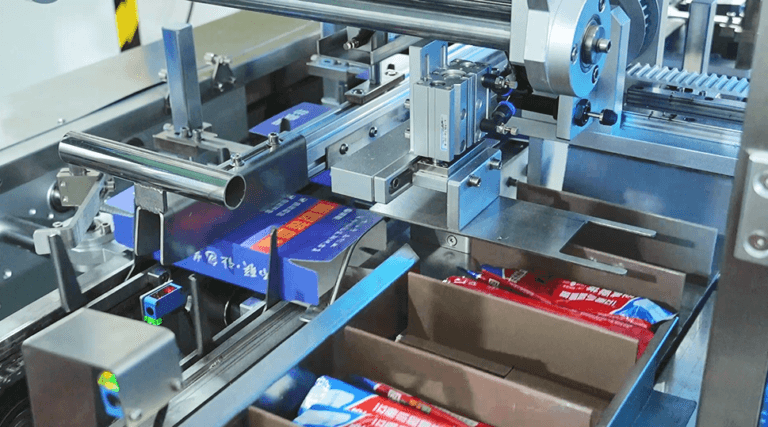
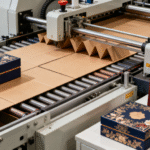
Cartoning happens in the open. Boxes are visible. Movements are exposed. Rhythm and flow can be observed in real time. Without asking a single technical question, buyers can see whether cartons are consistent, whether boxes deform, whether operators intervene frequently, and whether the overall flow feels smooth or tense.
How Buyers Form Judgments Without Asking Questions
Most buyers do not interrupt a factory video to point out problems. They observe silently. Cartoning gives them enough information to form conclusions without confrontation.
When cartoning looks stable, buyers assume strong process control. When it looks chaotic, they assume risk, even if nothing has officially gone wrong.
Transparency Does Not Create Problems — It Reveals Them
Why Manual Intervention Becomes Obvious Under the Camera
Many factories feel uncomfortable with transparency, but not because transparency itself is harmful. The discomfort comes from what transparency reveals.
In cartoning, small issues that once felt normal become obvious under a camera. A box slightly misaligned, a flap adjusted by hand, a brief pause to clear a jam, or a carton rejected without explanation may seem minor individually. Together, they send a clear signal.
That signal tells buyers the process depends on constant human correction. In global supply chains, dependence is interpreted as fragility.
Why Cameras Change Buyer Psychology
Cameras remove context and explanation. Buyers do not hear reasons. They only see outcomes. What looks acceptable on a busy shop floor may look unreliable when replayed on a screen.
Transparency shifts judgment from intention to execution.
Why Cartoning Has Become a Trust Benchmark
What Buyers Are Actually Evaluating During Cartoning
When buyers watch a cartoning process, they are not evaluating machines. They are evaluating whether the process can stay consistent under stress.
They wonder whether the operation can scale, whether it can survive staff changes, whether it can handle peak seasons, and whether it can operate predictably without constant supervision.
Cartoning answers all of these questions silently.
How Stability Signals Reliability
A steady, predictable cartoning flow suggests controlled tolerances, clear SOPs, and repeatable output. A tense or fragmented flow suggests hidden problems that may surface later.
This is why transparency hits cartoning harder than any other department.
Why Factory Transparency Is Accelerating, Not Slowing Down
Buyer Behavior After Repeated Supply Chain Failures
Factory transparency is not a short-term social media trend. It is a reaction to repeated disappointments. Missed deliveries, inconsistent packaging, damaged goods, and last-minute explanations have made buyers cautious.
Instead of asking more questions, buyers now ask to see processes.
Why Cartoning Footage Became Proof of Reliability
As live video and real-time audits become common, cartoning footage has become a shortcut for decision-making. Buyers trust what they can observe more than what they are told.
What Many Factories Realize Too Late About Cartoning
Why Cartoning Cannot Be Easily Scripted
A factory tour can be rehearsed. Answers can be prepared. Staff can be coached. But instability in cartoning is difficult to hide.
Cameras show results, not effort. They do not care how hard people are working. They only show whether the process is controlled.
Why Exposure Turns Cartoning Into a Strategic Process
Because cartoning is exposed, it becomes strategic. Not because it is glamorous, but because it influences perception more than many factories expect.
The Quiet Shift Happening Inside Factories
From Speed-Focused Thinking to Stability-Focused Thinking
No one announces this shift publicly, but it is happening across many regions. Factories are quietly asking how to make cartoning appear reliable without constant intervention.
This is not about performance for marketing purposes. It is about earning trust during moments of scrutiny.
Why Buyer Confidence Often Forms at the End of the Line
When buyers stop asking questions during a live video, it is not disinterest. It is confidence. And that confidence is often formed at the moment the last box is closed.