One Cartoning Mistake Can Cost More Than a Day of Production in Multi-SKU Food Factories
For many biscuit and snack factories,
production problems don’t always come from machines.
They come from mix-ups.
Wrong flavor in the box.
Wrong count in the carton.
Right product — wrong packaging.
And these mistakes often happen
at the cartoning stage.
Why Multi-SKU Production Increases Packaging Risk
In modern food factories,
running one product at a time is rare.
Most factories handle:
- Multiple flavors
- Different pack counts
- Several customer versions
Often on the same line,
sometimes in the same shift.
This makes secondary packaging
the most error-prone step.
Where Manual Cartoning Creates Critical Risk
Manual cartoning happens after individual packs are sealed.
At this stage,
products look similar — but are not the same.
Visual similarity increases confusion
With manual handling:
- Similar packs are placed nearby
- Operators rely on memory and labels
- Small distractions cause mistakes
One wrong movement
can mix products instantly.
Errors are hard to detect before shipping
Once cartons are closed:
- Visual checks are limited
- Errors travel with pallets
- Problems appear only at delivery
By the time an issue is found,
it is already expensive.
What Happens When a Cartoning Error Reaches the Customer
The cost of a wrong carton is rarely small.
Channel-level consequences
Customers may respond with:
- Rejected shipments
- Mandatory recalls
- Temporary order suspension
For key accounts,
one mistake can affect future cooperation.
Internal damage goes beyond rework
Inside the factory:
- QA investigations start
- Root cause analysis consumes time
- Teams work under pressure
Even if the issue is fixed,
trust is harder to rebuild.
Why Training Alone Is Not Enough
Most factories try to control this risk by:
- Training operators repeatedly
- Adding manual checks
- Increasing supervision
These actions reduce frequency,
but they don’t eliminate the risk.
Because the core issue remains:
Manual cartoning depends on people distinguishing similar products correctly, all the time.
In multi-SKU environments,
that is a fragile system.
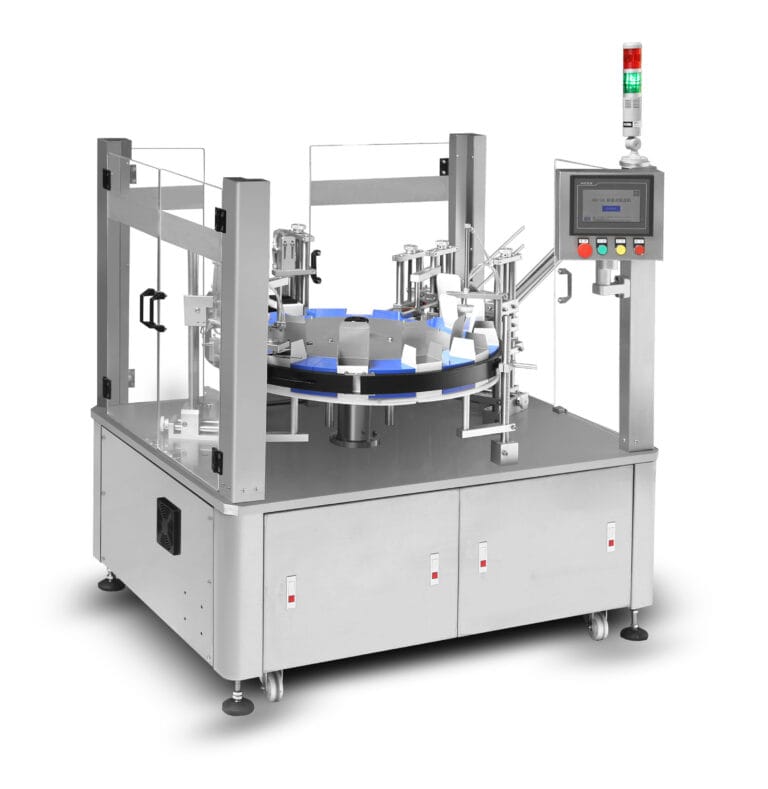
How a Cartoning Machine Reduces Mix-Up Risk
Here we are talking about secondary packaging—
cartoning after individual packs,
with no direct contact with food.
This is where packaging logic can be controlled.
Product flow becomes structured
- Defined product input
- Clear carton logic
- Less reliance on human memory
Errors are prevented, not detected later
- Fewer opportunities to mix products
- Clear separation between SKUs
- More predictable packaging output
QA pressure is reduced
- Fewer investigations
- Less emergency response
- More confidence during audits
This is not about running faster.
It is about making wrong packing harder to happen.
A Question Worth Asking
How many SKUs does your cartoning team handle in a single shift?
And what would one serious mix-up
really cost your factory?
For many multi-SKU food factories,
reducing manual cartoning
is not an efficiency upgrade —
it is a risk control decision.
| Industry | Factory Type | Production Scenario | Main Risk | Solution Keyword |
|---|---|---|---|---|
| Food | Multi-SKU Biscuit Factory | Multiple flavors & pack sizes | Wrong packing & SKU mix-up | Automatic Cartoning Machine |