Inconsistent Cartoning Becomes More Visible After Long-Distance Shipping
Alyssa/ January 12, 2026 Return
For food brands selling across regions or exporting overseas,
the product journey does not end at the factory gate.
It goes through:
- Long transportation
- Multiple handovers
- Warehouses and distribution centers
By the time the product reaches the shelf,
packaging consistency matters more than ever.Get A Quote
Why Long-Distance Shipping Amplifies Packaging Differences
In biscuit and snack products,
the food itself is usually well protected.
But the box tells a different story.
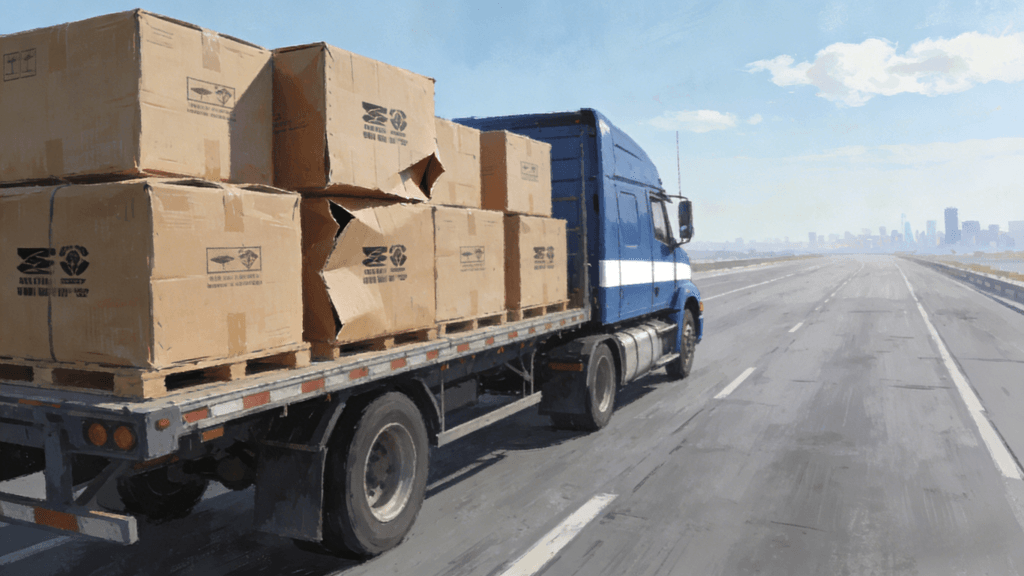
During long transport:
- Cartons are stacked and unstacked
- Boxes are handled multiple times
- Small differences become noticeable
What looks “acceptable” at the factory
can look uneven or inconsistent at the destination.Get A Quote
Where Manual Cartoning Creates Risk in Export Scenarios
Manual cartoning happens during secondary packaging,
after individual packs are sealed.
At this stage, visual consistency depends heavily on people.Get A Quote
Small differences become obvious after transport
When cartoning is manual:
- Box fullness varies slightly
- Product position shifts
- Overall shape consistency is not identical
After shipping,
these differences are much easier to see.Get A Quote
Distributors notice before consumers do
Overseas distributors often receive:
- Multiple pallets
- Mixed batches
- Products from different production days
When cartons don’t look uniform,
distributors start asking questions:
- “Are these from different suppliers?”
- “Is this a new version?”
Even when the product is the same,
confidence is affected.Get A Quote
Why This Matters for Overseas Brand Perception
In export markets,
your brand does not have context.
Customers and distributors do not see:
- Your factory
- Your process
- Your quality system
They judge by what arrives.
Packaging consistency becomes a proxy for reliability.
If boxes look uneven,
the brand feels less controlled.Get A Quote
Why Manual Adjustments Are Not Enough
Most factories try to manage this by:
- Tighter packing instructions
- Extra checks before shipping
- Reworking cartons when obvious issues appear
These efforts help,
but they cannot eliminate variation.
Because the root issue remains:
Manual cartoning produces small differences that add up across distance and handling.Get A Quote
How a Cartoning Machine Protects Brand Image in Export Markets
Here we are talking about secondary packaging—
cartoning after individual packs,
with no direct contact with food.
This is where export consistency can be locked in.Get A Quote
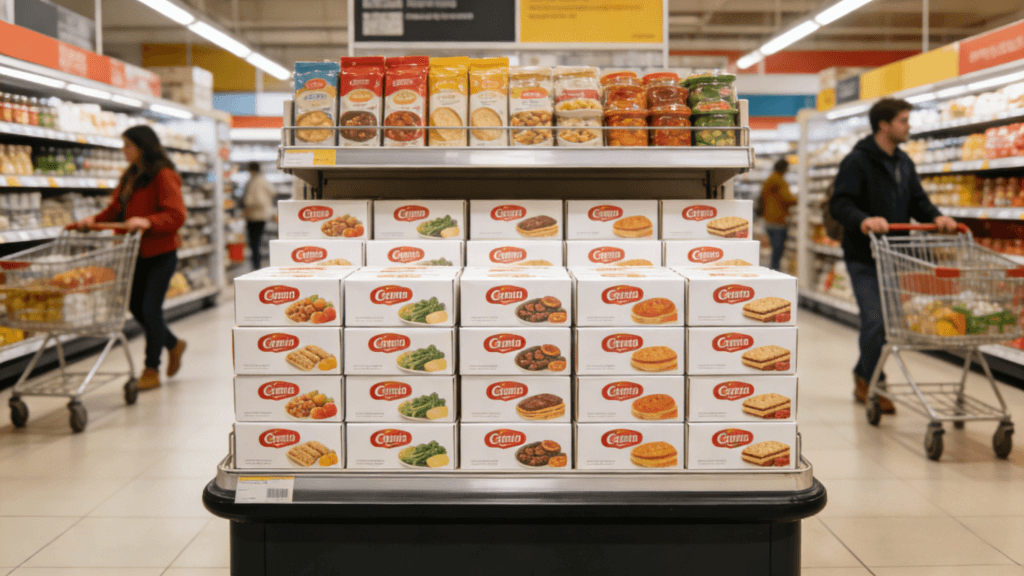
Uniform structure across all cartons
- Fixed product positioning
- Consistent box shape
- Stable appearance from pallet to pallet
Better shelf and warehouse presentation
- Products look the same across batches
- Easier for distributors to display
- Stronger professional impression
Fewer questions, smoother cooperation
- Less explanation needed
- Fewer doubts about stability
- Stronger long-term distributor trust
This is not about transport strength.
It is about how the brand looks after the journey.Get A Quote
A Question Worth Asking
When your products arrive overseas,
do they still look exactly the way you intended?
Or does distance quietly expose
small inconsistencies you never see at the factory?
For many exporting food brands,
standardizing cartoning is the step that ensures
the brand arrives intact — not just the product.Get A Quote
| Industry | Sales Region | Logistics Scenario | Main Risk | Solution Keyword |
|---|---|---|---|---|
| Food | Export / Cross-Region | Long-distance transportation | Packaging inconsistency after shipping | Automatic Cartoning Machine |


Trending now