Inconsistent Cartoning Is Quietly Damaging Food Brand Image
Alyssa/ January 6, 2026 Return
For many food brands,
the product itself is already stable.
The recipe works.
The quality is controlled.
Customers recognize the taste.
But brand perception is shaped by more than taste.
Packaging consistency matters more than most factories realize.Get A Quote
Why Customers Notice Packaging Before They Taste the Product
For biscuits and snack foods,
customers often see the box before anything else.
On a shelf or on a screen,
packaging creates the first impression.
Small details stand out:
- Box shape
- Alignment
- Product position inside
When packaging looks inconsistent,
the brand feels less professional — even if the food is good.Get A Quote
Where Manual Cartoning Creates Brand Risk
Manual cartoning is part of secondary packaging,
after individual packs are already sealed.
Because it looks simple,
it is often underestimated.
But manual handling creates variation.Get A Quote
Box appearance changes from batch to batch
With manual cartoning:
- Product position varies
- Box fullness looks different
- Alignment depends on the operator
These differences are subtle,
but customers notice them over time.Get A Quote
Shelf and unboxing experience becomes uneven
In retail and e-commerce:
- Products sit next to competitors
- Photos are shared online
- Unboxing videos are common
Inconsistent packaging weakens
the visual impact of the brand.Get A Quote
Why Brand Consistency Is Hard to Protect With Manual Work
Most factories try to control appearance by:
- Training workers
- Adding visual checks
- Rejecting obvious defects
These steps help,
but they do not eliminate variation.
The reason is simple:
Manual cartoning relies on human judgment for visual consistency.
People work differently.
Fatigue changes results.
Shifts look slightly different.
Over time,
these small differences add up.Get A Quote
How Packaging Inconsistency Turns Into Business Risk
Brand damage does not happen overnight.
It happens quietly.Get A Quote
Retail buyers notice first
Retail customers look for:
- Stable presentation
- Predictable shelf appearance
- Fewer complaints
Inconsistent packaging raises questions
about process control.Get A Quote
Marketing efforts lose impact
When packaging looks different:
- Product photos become harder to standardize
- Campaign visuals feel less polished
- Brand recognition weakens
Marketing spends more,
but gets less return.Get A Quote
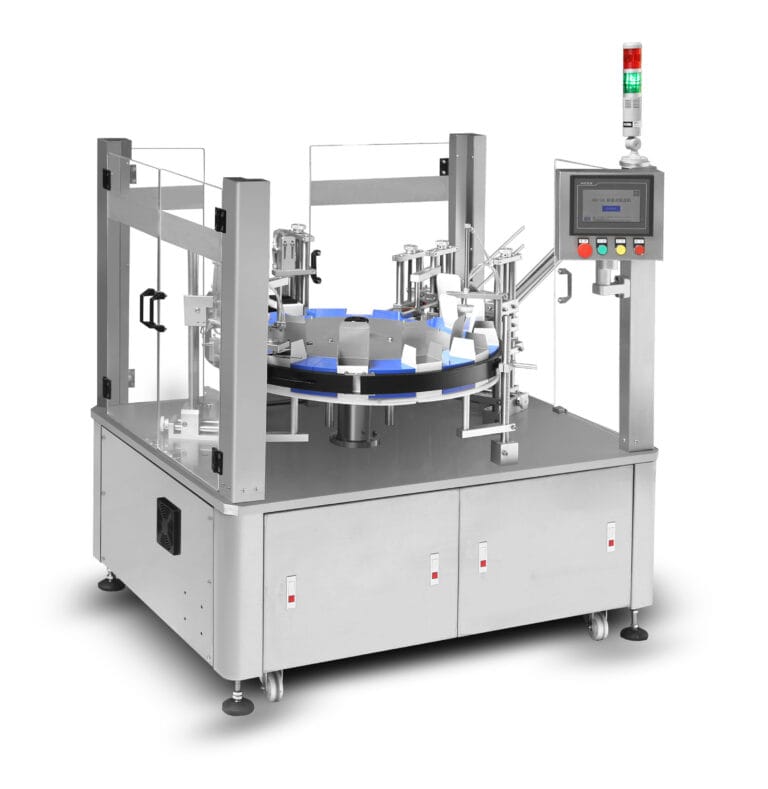
How a Cartoning Machine Protects Brand Consistency
Here we are talking about secondary packaging —
cartoning after individual packs,
with no direct contact with food.
This is the easiest place
to standardize appearance.Get A Quote
Consistent box loading
- Fixed product position
- Uniform box shape
- Stable visual result
Repeatable presentation across batches
- Same look every shift
- Same appearance every market
- Same experience for every customer
Stronger brand confidence
- Cleaner shelf presence
- Better unboxing experience
- More professional brand image
This is not about speed or labor.
It is about making the brand look the same every time.Get A Quote
A Question Worth Asking
If a customer buys your product twice,
weeks apart,
will the packaging look exactly the same?
For many food brands,
this question becomes important
as soon as the brand starts to grow.
And for many factories,
this is where standardizing cartoning starts to protect long-term brand value.Get A Quote
| Industry | Brand Type | Packaging Focus | Main Risk | Solution Keyword |
|---|---|---|---|---|
| Food | Branded Biscuit / Snack | Secondary Packaging (Cartoning) | Inconsistent packaging appearance | Automatic Cartoning Machine |

Trending now