Manual Cartoning Is Becoming a Risk Point During Food Factory Audits
Alyssa/ December 29, 2025 Return
For many food factories, audits are no longer occasional.
They are frequent.
They are detailed.
And they go far beyond food safety alone.
More and more auditors are looking at process control.
And cartoning is often where questions start.Get A Quote
Why Auditors Pay Attention to the Cartoning Stage
In biscuit and snack factories, cartoning usually happens during secondary packaging.
The food is already sealed.
But the process still matters.
Auditors often focus on:
- Process consistency
- Operator dependency
- Control over human handling
When cartoning is manual,
answers become harder to standardize.Get A Quote
Where Manual Cartoning Creates Audit Pressure
Even when food safety is not directly involved,
manual cartoning raises several concerns.Get A Quote
Process consistency is difficult to prove
With manual work:
- Speed varies by operator
- Methods differ between shifts
- Results depend on experience
During an audit,
this makes it difficult to show a repeatable process.Get A Quote
Traceability becomes less clear
When people handle each step:
- Records rely on manual input
- Deviations are harder to track
- Root causes take longer to identify
Auditors often ask:
“Where is the control point?”Get A Quote
Corrective actions are hard to define
If an issue is found:
- Training is repeated
- Procedures are rewritten
- Supervision is increased
But these actions are hard to verify
and harder to maintain long term.Get A Quote
What Happens When Cartoning Is Flagged in an Audit
When cartoning becomes an audit focus:
- Extra documentation is required
- Follow-up audits become more frequent
- Customer confidence is affected
Even if no major non-conformance is issued,
the factory carries ongoing compliance pressure.Get A Quote
Why This Is Not Just a Documentation Problem
Many factories try to fix audit findings by:
- Adding forms
- Updating SOPs
- Increasing training records
These steps help on paper.
But the underlying issue remains:
Manual cartoning depends on people, not on controlled systems.
As long as that is true,
audits will continue to focus on this stage.Get A Quote
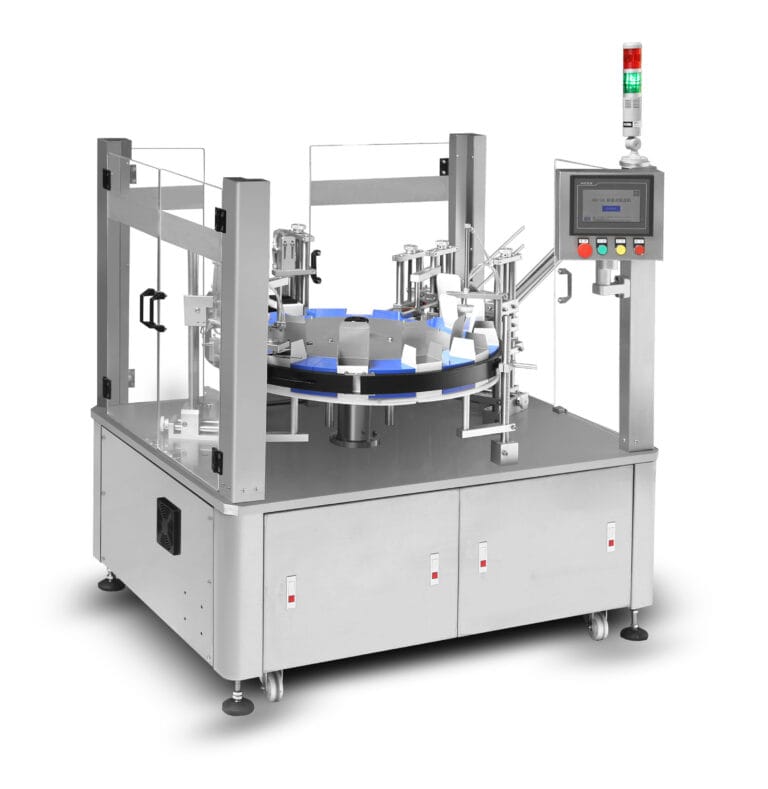
How a Cartoning Machine Strengthens Process Control
Here we are talking about secondary packaging—
cartoning after individual packs,
with no direct contact with food.
This makes cartoning the easiest place
to improve control without affecting food safety design.Get A Quote
Processes become standardized
- Fixed movements
- Defined operating logic
- Consistent results across shifts
Control points become clear
- Fewer manual decisions
- Easier monitoring
- Clear responsibility boundaries
Audit discussions become simpler
- Less explanation of human variability
- More focus on system capability
- Stronger confidence from customers
This is not about passing audits faster.
It’s about reducing audit risk altogether.Get A Quote
A Question Worth Asking
During your last audit,
how much time was spent explaining
how cartoning stays under control?
If this step still relies heavily on people,
how easy will that conversation be next time?
For many food factories,
this is where reducing manual cartoning
becomes a practical compliance decision.Get A Quote
| Industry | Factory Type | Audit Scenario | Main Risk | Solution Keyword |
|---|---|---|---|---|
| Food | Biscuit / Snack Factory | Customer & Certification Audits | Process inconsistency and audit pressure | Automatic Cartoning Machine |

Trending now