Manual Cartoning Is Causing Biscuit Factories Thousands in Rework and Lost Profit Every Month
Alyssa/ January 6, 2026 Return
In biscuit factories, cartoning is often seen as a simple task.
The food is already packed.
The process looks straightforward.
And problems don’t always show up right away.
But many factory owners discover the issue later —
when mistakes start turning into real losses.Get A Quote
Why Cartoning Errors Are More Common Than Most Factories Expect
In biscuit factories, cartoning is usually done manually during secondary packaging.
That stage often involves:
- Multiple SKUs running at the same time
- Different box counts or bundle sizes
- High-speed upstream production
Under these conditions, manual cartoning becomes fragile.
Small mistakes happen easily:
- Wrong quantity in a box
- Mixed products
- Missing packs
Each error may look minor,
but the cost rarely stays small.Get A Quote
Where These Mistakes Turn Into Profit Loss
Many factories underestimate how expensive cartoning errors really are.
Rework quietly eats labor and time
When a cartoning error is found:
- Boxes need to be opened
- Products are checked again
- Lines slow down or stop
Rework uses labor that adds no new value,
yet still costs time and money.Get A Quote
Returns and complaints damage more than one order
When mistakes reach customers:
- Complaints increase
- Returns are requested
- Trust is damaged
Even one wrong shipment can affect
future orders and long-term relationships.Get A Quote
Extra checks become routine
To avoid mistakes, factories often add:
- Extra inspection steps
- Manual double-checking
- More supervision
These steps reduce risk,
but they also reduce efficiency and raise costs.Get A Quote
Why Manual Cartoning Makes Errors Hard to Eliminate
Most factory owners respond to errors by:
- Reminding workers
- Adding training
- Increasing supervision
These actions help temporarily.
But the core issue stays the same:
Manual cartoning relies on people doing repetitive work perfectly, every day.
Fatigue, pressure, and speed make mistakes unavoidable.
As long as cartoning depends on manual handling,
error rates can be reduced —
but never fully removed.Get A Quote
What Happens If the Process Doesn’t Change
If cartoning remains manual:
- Rework becomes part of daily operations
- Quality checks keep increasing
- Management stays involved in small issues
Over time, this leads to:
- Slower output
- Higher operating cost
- Lower profit per order
The loss doesn’t come from one big failure.
It comes from many small problems happening again and again.Get A Quote
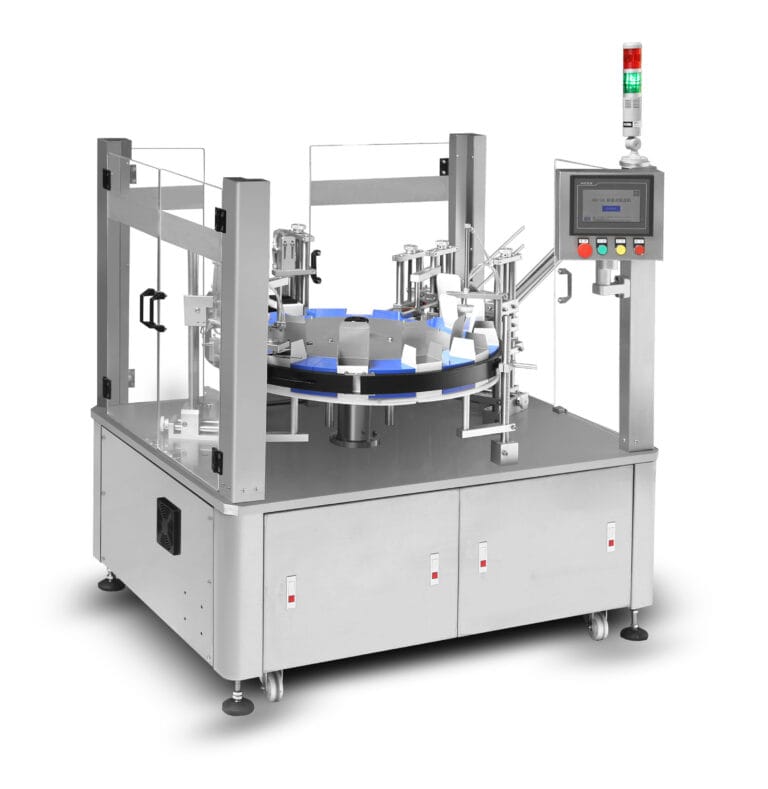
How a Cartoning Machine Reduces These Losses
Here we are talking about secondary packaging —
cartoning after individual packs,
with no direct contact with food.
This makes cartoning the most controllable stage
for reducing errors.Get A Quote
Consistent box loading
- Fixed quantities per box
- Stable movement and positioning
- Less variation between shifts
Fewer manual touch points
- Reduced human handling
- Less chance for mix-ups
- Fewer opportunities for mistakes
Quality becomes part of the process
- Errors are prevented, not corrected later
- Rework is reduced
- Output becomes more predictable
This is not about eliminating people.
It is about removing error-prone repetition from human hands.Get A Quote
A Question Worth Thinking About
How many hours does your factory spend each month
fixing cartoning mistakes?
And how much profit is lost
through rework, delays, and complaints?
For many biscuit factories,
this is where reducing manual cartoning
starts to make financial sense.Get A Quote
| Industry | Product | Packaging Stage | Main Issue | Solution Keyword |
|---|---|---|---|---|
| Food | Biscuit | Secondary Packaging (Cartoning) | Rework and packaging errors | Automatic Cartoning Machine |

Trending now