Manual Cartoning Is Eating Profit in Private Label Biscuit Factories
Alyssa/ January 3, 2026 Return
If you run a biscuit factory doing private label orders,
your challenge is rarely production.
It’s packaging changes.
One customer, one box.
Another customer, a different count.
Same product — different requirements.
And all of that pressure lands on cartoning.Get A Quote
Why Private Label Orders Are Harder Than Brand Orders
For factories serving supermarkets and retail chains,
private label work usually means:
- Different box sizes
- Different pack counts
- Different barcodes and layouts
Production can stay the same.
But secondary packaging changes constantly.
That makes cartoning the most sensitive step in the process.Get A Quote
Where Manual Cartoning Starts to Fail During Changeovers
When packaging changes frequently,
manual cartoning struggles in several ways.Get A Quote
Every change resets efficiency
Each new order means:
- New instructions
- New counting logic
- New checks
Workers slow down until they get used to the change.
If orders switch often,
efficiency never fully recovers.Get A Quote
Mistakes become harder to avoid
With multiple versions running close together:
- Wrong counts happen
- Boxes get mixed
- Rechecking becomes routine
Even small errors can lead to:
- Rework
- Customer complaints
- Rejected shipments
Management spends more time “watching”
Private label cartoning requires constant attention:
- Extra supervision
- Frequent reminders
- Last-minute corrections
Instead of managing production,
management ends up managing details.Get A Quote
How This Quietly Reduces Profit
Private label margins are already tight.
Manual cartoning makes them tighter.Get A Quote
Changeover time is paid but not productive
- Labor is working
- Output is lower
- Cost per carton goes up
Errors carry customer-level consequences
Retail customers often respond with:
- Rejection of shipments
- Requests for rework
- Tighter future controls
One mistake can affect more than one order.Get A Quote
Why This Is Not a Training Issue
Most factories try to solve this by:
- Training more
- Writing clearer instructions
- Assigning experienced workers
These steps help, but only to a point.
The real issue is structural:
Manual cartoning depends on people remembering and switching rules perfectly, all day long.
That becomes harder as order complexity increases.Get A Quote
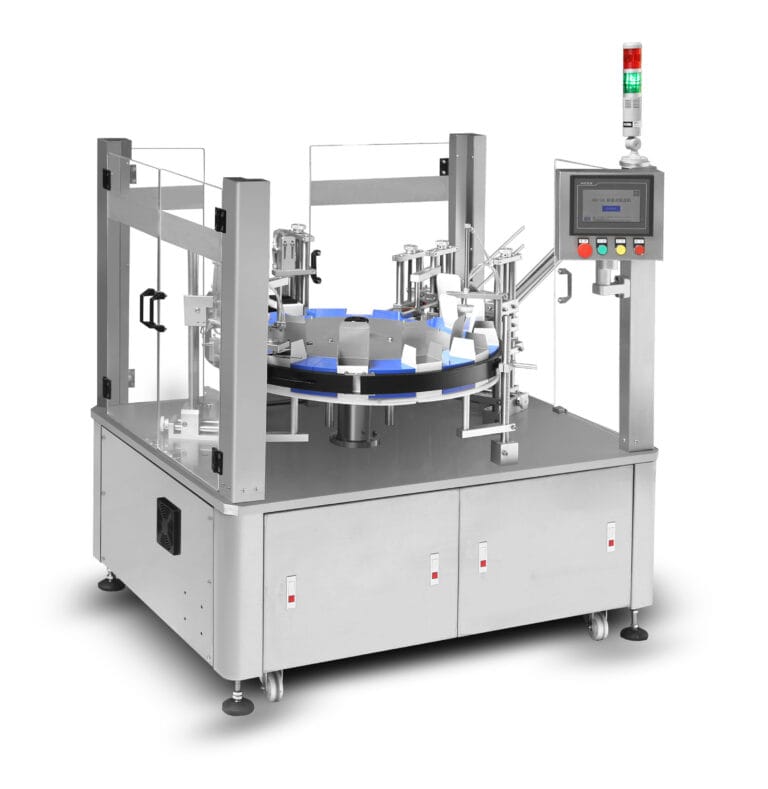
How a Cartoning Machine Helps in Private Label Production
Here we are talking about secondary packaging—
cartoning after individual packs,
with no direct contact with food.
This is where private label factories benefit most
from reducing manual labor.Get A Quote
Changeovers become easier
- Box logic is controlled by settings
- Less reliance on memory and manual counting
Output stays more consistent
- Less slowdown after each change
- Easier to plan daily capacity
Customer requirements are easier to meet
- Fewer mistakes
- More stable packaging quality
This is not about making cartoning faster at all times.
It’s about making it reliable when complexity is high.Get A Quote
A Question Worth Asking
How many packaging versions
does your cartoning team handle in a single week?
And how much efficiency is lost
every time they have to switch?
For many private label biscuit factories,
this is where reducing manual cartoning
starts to protect margin and customer trust.Get A Quote
| Industry | Customer Type | Product | Main Scenario | Solution Keyword |
|---|---|---|---|---|
| Food | Private Label / OEM | Biscuit | Frequent packaging changeovers | Automatic Cartoning Machine |

Trending now