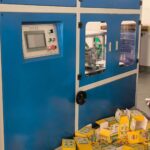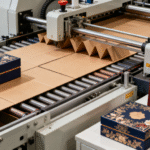
Manual Cartoning Is Putting Biscuit Factories at Risk of Late Shipments and Retail Penalties
Alyssa/ January 3, 2026 Return
For many biscuit factories, shipping problems don’t start on the production line.
They start at the cartoning stage.
Orders are ready.
Products are packed.
But shipments still get delayed.
And when that happens,
the cost is often much higher than overtime.Get A Quote
Why On-Time Delivery Is Getting Harder for Biscuit Factories
Today, many biscuit factories supply:
- Large retailers
- Distributors
- E-commerce fulfillment centers
These customers expect:
- Fixed delivery windows
- Consistent shipment volume
- Clear packing standards
Missing a window doesn’t just mean being late.
It can mean penalties, chargebacks, or reduced future orders.Get A Quote
Where Manual Cartoning Creates Delivery Risk
In many factories, cartoning is still handled manually during secondary packaging.
That creates several weak points.
Daily output is hard to predict
When cartoning depends on people:
- Speed changes by shift
- Absences affect daily volume
- Small delays stack up quickly
Planning shipments becomes guesswork instead of calculation.Get A Quote
Last-minute problems block outbound flow
Manual cartoning often causes:
- Incomplete cartons
- Delayed palletizing
- Late loading at the dock
Even if production finishes on time,
shipping can still miss the cutoff.Get A Quote
Extra buffer time becomes the norm
To avoid delays, factories often:
- Build in extra time
- Ship earlier than needed
- Limit daily shipment volume
These “safety margins” reduce risk,
but they also reduce capacity and flexibility.Get A Quote
How Late Shipments Turn Into Real Profit Loss
Delivery issues don’t stop at logistics.
Retail penalties and chargebacks
Many retailers apply:
- Late delivery fines
- Non-compliance fees
- Reduced payment terms
One missed window can erase
the profit of an entire order.Get A Quote
Lost trust affects future business
When delays happen repeatedly:
- Order volume is reduced
- Promotions are given to other suppliers
- Long-term contracts become harder to secure
The cost here is not visible on one invoice,
but it shows up over time.Get A Quote
Why This Problem Is Hard to Fix With Manual Labor
Most factories respond by:
- Adding workers
- Increasing overtime
- Pushing harder during shipping days
These actions help temporarily.
But the root problem remains:
Manual cartoning makes shipping capacity unstable.
As long as outbound flow depends on people,
delivery reliability will always be at risk.Get A Quote
How a Cartoning Machine Stabilizes Shipping
Here we are talking about secondary packaging—
cartoning after individual packs,
with no direct contact with food.
This is the stage that connects production
directly to shipping.Get A Quote
Output becomes predictable
- Cartoning speed stays consistent
- Daily shipment volume is easier to plan
Outbound flow becomes smoother
- Fewer last-minute delays
- Palletizing and loading stay on schedule
Delivery commitments become easier to keep
- Less reliance on overtime
- Fewer emergency fixes
This is not about speeding up shipments.
It’s about making them reliable.Get A Quote
A Question Worth Asking
How often has your factory:
- Rushed shipments at the last minute
- Missed a delivery window
- Had to explain delays to customers
If cartoning is the step that connects production to shipping,
how stable does it really need to be?
For many biscuit factories,
this is where reducing manual cartoning
starts to protect both profit and customer relationships.Get A Quote
| Industry | Product | Packaging Stage | Main Risk | Solution Keyword |
|---|---|---|---|---|
| Food | Biscuit | Secondary Packaging (Cartoning) | Late shipments and delivery penalties | Automatic Cartoning Machine |
Trending now