Manual Cartoning Is Slowing Down E-commerce Fulfillment for Chocolate and Bar Factories
Alyssa/ December 29, 2025 Return
If you run a chocolate or snack bar factory that sells online,
your biggest challenge may not be production.
It’s fulfillment.
Orders don’t come in batches anymore.
They come in small, mixed, constant flows.
And that changes everything at the cartoning stage.Get A Quote
Why E-commerce Fulfillment Feels So Different From Traditional Orders
For chocolate and bar manufacturers selling through:
- Amazon
- DTC websites
- Subscription boxes
orders usually mean:
- Many SKUs at the same time
- Small order quantities
- Frequent packing changes
Production may still be stable.
But secondary packaging becomes chaotic.Get A Quote
Where Manual Cartoning Starts to Break Down
Cartoning in e-commerce environments faces unique pressure.
SKU switching happens all day
Workers constantly switch between:
- Different bar flavors
- Different box counts
- Different order formats
Manual handling increases confusion and slows output.Get A Quote
Speed matters more than batch size
E-commerce fulfillment is measured in:
- Orders per hour
- Cut-off times
- Same-day shipping windows
Manual cartoning struggles to keep a steady rhythm
when volume is fragmented.Get A Quote
Labor costs rise without clear output gains
More people are added, but:
- Training never ends
- Mistakes increase
- Packing speed stays inconsistent
Labor cost goes up,
but fulfillment capacity does not scale the same way.Get A Quote
What Happens When Cartoning Can’t Keep Up
When manual cartoning falls behind:
- Orders miss daily cut-off times
- Same-day shipping becomes unreliable
- Customer complaints increase
In e-commerce, slow fulfillment directly affects:
- Platform performance scores
- Seller ratings
- Repeat purchase rates
The loss is not just operational.
It becomes a revenue and brand problem.Get A Quote
Why This Is Not a Staffing Problem
Most factories respond by:
- Hiring temporary packers
- Adding shifts
- Increasing supervision
These actions help in the short term.
But the core issue remains:
Manual cartoning does not scale well in high-SKU, low-batch environments.
As long as people handle every movement,
speed and accuracy will always fluctuate.Get A Quote
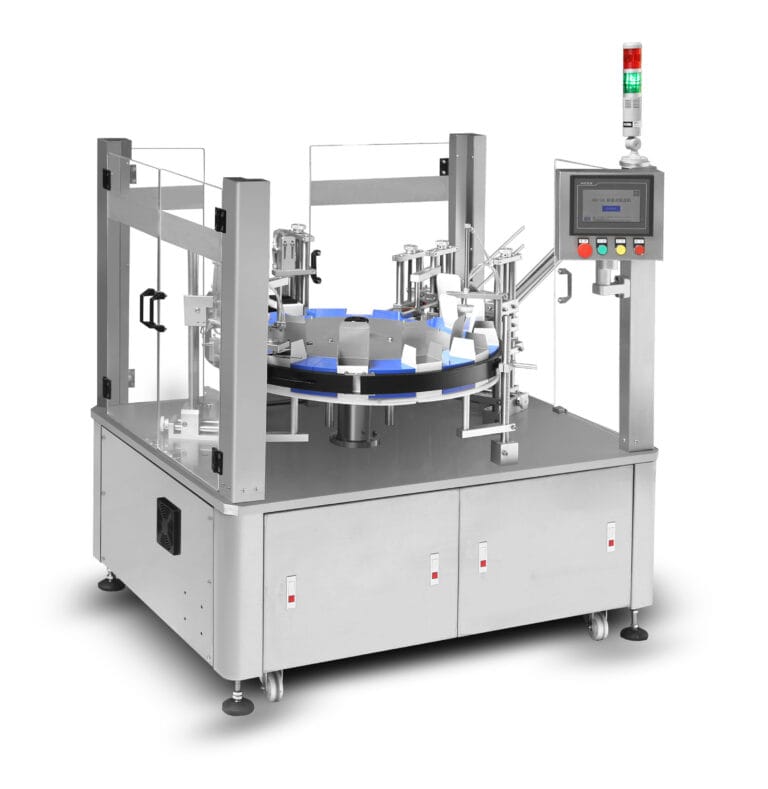
How a Cartoning Machine Fits E-commerce Packaging
Here we are talking about secondary packaging—
cartoning after individual packs,
with no direct food contact.
This makes it the most suitable place
to reduce manual labor.Get A Quote
SKU handling becomes structured
- Fixed box logic
- Controlled product flow
- Less confusion during switching
Packing speed becomes predictable
- Consistent output per hour
- Easier fulfillment planning
Labor pressure is reduced
- Fewer packers needed
- Less training churn
- Lower error risk
It’s not about eliminating flexibility.
It’s about keeping fulfillment stable as order complexity grows.Get A Quote
A Question Worth Asking
If your online orders keep increasing,
and SKU complexity keeps rising,
how long can manual cartoning
support your fulfillment targets?
For many chocolate and bar factories,
this is where reducing manual cartoning
starts to protect both efficiency and growth.Get A Quote
| Industry | Product | Sales Channel | Main Pain Point | Solution Keyword |
|---|---|---|---|---|
| Food | Chocolate / Snack Bars | E-commerce & DTC | High SKU complexity & labor pressure | Automatic Cartoning Machine |

Trending now