New Packaging Designs Fail When Cartoning Can’t Keep Them Consistent
Alyssa/ January 8, 2026 Return
Many food brands invest heavily in new packaging.
New colors.
New structure.
New brand language.
Design looks great on screen.
Samples look perfect.
But once mass production starts,
something feels off.
The packaging doesn’t look as good as it should.
Why Brand Upgrades Often Break at the Factory Level
For biscuit and snack brands,
a packaging upgrade is meant to signal change.
Better positioning.
Stronger identity.
Higher perceived value.
But brand upgrades don’t fail in marketing.
They fail in execution.
And execution often breaks at the cartoning stage.
Where Manual Cartoning Undermines New Packaging
Manual cartoning happens during secondary packaging,
after individual packs are sealed.
When packaging designs become more refined,
manual handling struggles to keep up.
New designs require tighter visual control
Modern packaging often includes:
- Cleaner lines
- More negative space
- Tighter proportions
Small inconsistencies become obvious immediately.
“Looks fine” is no longer good enough
With manual cartoning:
- Product placement shifts
- Box fullness varies
- Alignment changes by batch
What looked premium in design
looks average in reality.
Why This Is Especially Risky During Brand Upgrades
When a brand upgrade launches:
- Expectations are high
- Internal teams are watching
- Customers notice changes
If packaging looks inconsistent:
- The upgrade feels incomplete
- The brand message becomes unclear
- Confidence in the change drops
Instead of “this brand is improving”,
the signal becomes “something is not fully under control”.
Why Fixing This After Launch Is So Hard
Most factories try to solve this by:
- Adjusting instructions
- Re-training workers
- Rejecting outliers
But brand upgrades don’t allow long adjustment periods.
The first impression of a new look matters the most.
Manual cartoning makes that first impression unstable.
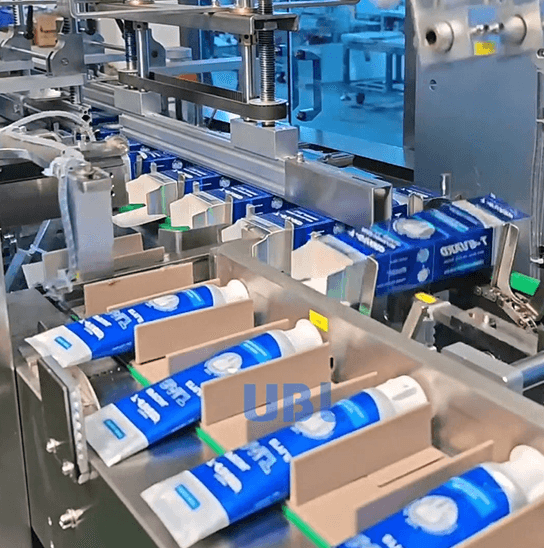
How a Cartoning Machine Makes Brand Upgrades Stick
Here we are talking about secondary packaging—
cartoning after individual packs,
with no direct contact with food.
This is where visual execution can finally match design intent.
Design becomes repeatable in mass production
- Fixed product positioning
- Consistent box shape
- Stable appearance across batches
New branding looks intentional, not accidental
- Cleaner shelf presence
- Stronger visual confidence
- Clear upgrade signal
- Get A Quote
Internal alignment becomes easier
- Marketing sees what it designed
- Sales shows what was promised
- Production delivers a controlled result
This is not about speed or cost.
It is about making brand upgrades real. Get A Quote
A Question Worth Asking
After your new packaging launch,
does every carton look like the design you approved?
Or do small inconsistencies quietly weaken
the message you worked so hard to build?
For many food brands,
standardizing cartoning is the difference between
“a new design” and a real brand upgrade. Get A Quote
| Industry | Factory Type | Management Scenario | Main Pain Point | Solution Keyword |
|---|---|---|---|---|
| Food | Multi-shift Biscuit Factory | Error investigation & accountability | Unclear responsibility after wrong packing | Automatic Cartoning Machine |
Trending now