Inconsistent Cartoning Is Undermining Delivery Stability Inside Food Factories
Alyssa/ January 12, 2026 Return
In many food manufacturing plants,
cartoning is considered a low-risk operation.
The product is already packed.
There is no food contact.
The task looks simple.
As a result, cartoning is often left manual.
But inside the factory, inconsistent cartoning is quietly affecting delivery stability, long before products reach customers.
👉Get a Cartoning Solution That Fits Your Production Needs
Why Cartoning Consistency Matters to Food Manufacturers
For food manufacturers, cartoning consistency is not about presentation.
It directly impacts:
- Finished goods accuracy
- Release timing
- Shipment reliability
When cartons vary in structure or loading,
it is a clear sign that the final packaging process is not fully under control.
And unstable processes create unstable deliveries.
👉Get a Cartoning Solution That Fits Your Production Needs
Where Inconsistent Cartoning Starts to Disrupt Operations
In factories relying on manual cartoning, variation is unavoidable.
Finished goods release becomes unpredictable
When cartoning output changes by operator or shift:
- QA needs extra verification
- Release decisions are delayed
- Finished pallets wait longer
Production may be complete,
but shipping is not ready.
👉Get a Cartoning Solution That Fits Your Production Needs
Small packaging issues delay full orders
Even minor inconsistencies can trigger:
- Rechecks of entire batches
- Partial holds on pallets
- Additional internal communication
These delays often happen at the worst time —
when trucks are scheduled and orders are committed.
👉Get a Cartoning Solution That Fits Your Production Needs
How Inconsistent Cartoning Creates Hidden Delivery Risk
From a factory perspective,
delivery risk is rarely caused by one big failure.
It builds up through repeated small disruptions.
👉Get a Cartoning Solution That Fits Your Production Needs
More internal coordination is required
Supervisors, QA, and logistics teams spend time aligning:
- Which pallets are ready
- Which need checking
- Which can be released
This coordination cost grows silently as volume increases.
👉Get a Cartoning Solution That Fits Your Production Needs
Customers feel instability, even without formal complaints
Even when shipments are eventually delivered:
- Delivery windows become less predictable
- Customers start requesting confirmation
- Trust becomes conditional
This puts the factory in a reactive position.
👉Get a Cartoning Solution That Fits Your Production Needs
Why Manual Control Cannot Guarantee Stability
Most factories try to solve this by:
- Tightening work instructions
- Increasing supervision
- Adding final checks
These actions reduce visible issues,
but they increase operating cost.
More importantly, they don’t remove the root cause:
Manual cartoning depends on individual consistency, not process control.
At scale, this is fragile.
👉Get a Cartoning Solution That Fits Your Production Needs
Why Cartoning Is a Critical Control Point
Cartoning is secondary packaging:
- Products are already sealed
- Regulatory risk is low
- Process logic is simple
This makes it one of the easiest points in the factory
to stabilize output without affecting upstream production.
Once cartoning becomes consistent:
- Finished goods flow more smoothly
- Release decisions speed up
- Shipping becomes more predictable
- 👉Get a Cartoning Solution That Fits Your Production Needs
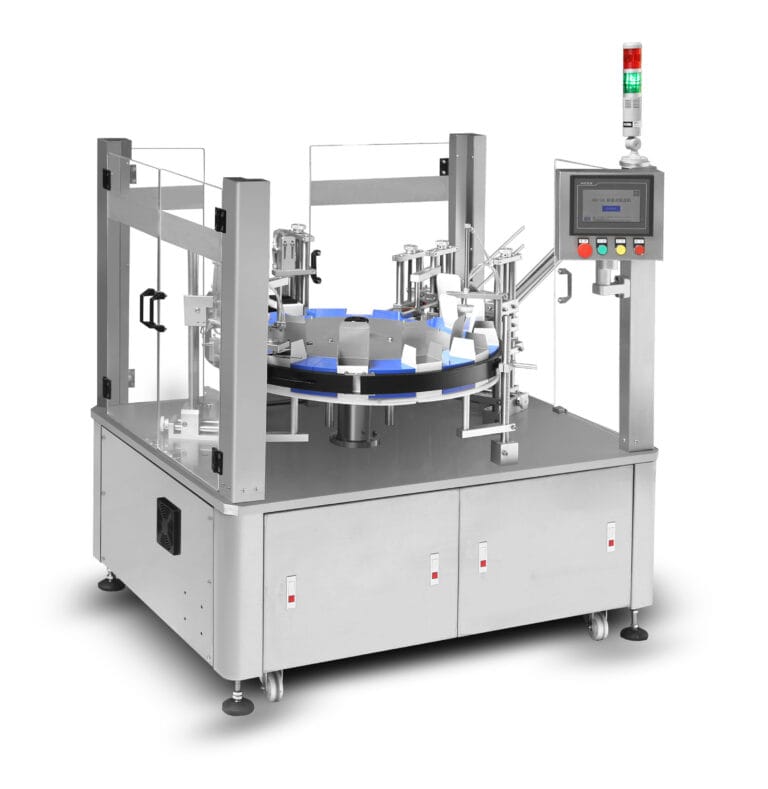
How an Automatic Cartoning Machine Stabilizes Delivery
An automatic cartoning machine does not just improve efficiency.
It changes how reliable the final packaging stage is.
- Carton loading becomes repeatable
- Output variability is reduced
- Fewer batches require rechecking
Instead of reacting to inconsistencies,
the factory operates with predictable release and shipment timing.
👉Get a Cartoning Solution That Fits Your Production Needs
A Question for Factory Owners and Production Managers
If your shipment readiness still depends on
who was packing cartons that day,
is your delivery process really under control?
For many food manufacturers,
standardizing cartoning is not about automation for its own sake.
It is about protecting delivery reliability before products leave the factory.
👉Get a Cartoning Solution That Fits Your Production Needs
| Industry | Target Role | Operational Risk | Impact Area | Solution Focus |
|---|---|---|---|---|
| Food Manufacturing | Factory Owner / Production Manager | Inconsistent cartoning | Delivery stability | Automatic Cartoning Machine |
Trending now