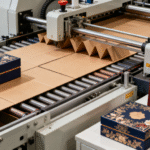
The pharmaceutical packaging sector operates under scrutiny unmatched by most industries, with equipment requirements rooted in non-negotiable priorities: patient safety, regulatory compliance, and product integrity. The stringent demands for sterility and precision are not arbitrary—they form the core of an industry access logic designed to mitigate risks, and solutions like those from UBL Packaging Equipment Co., Ltd. exemplify how compliance translates to practical performance.
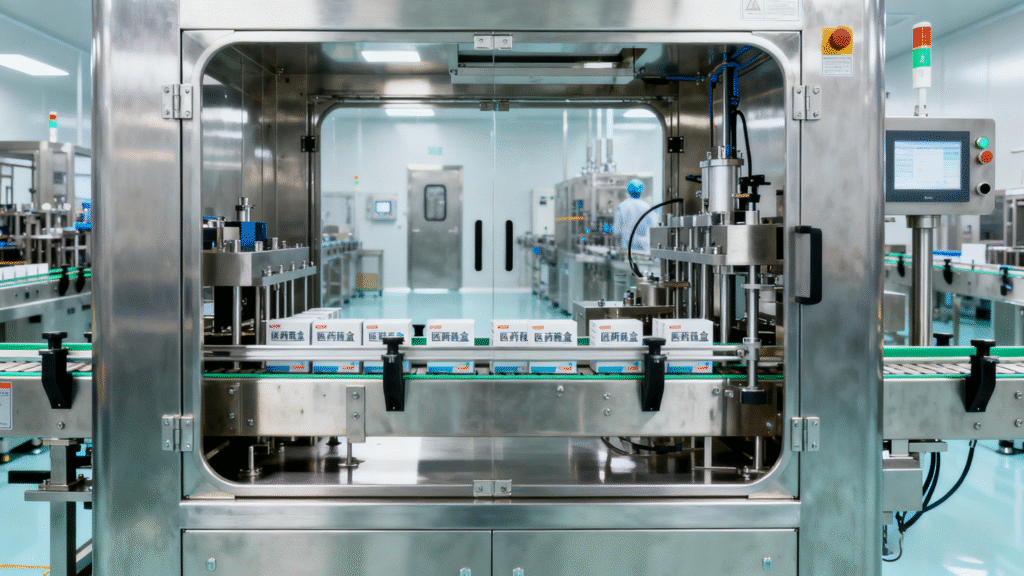
At the heart of these requirements lies sterility assurance, a make-or-break factor for patient health. Pharmaceuticals, from injectables to oral solids, are vulnerable to microbial contamination that can render treatments ineffective or even dangerous. International standards such as ISO 11607 mandate that packaging systems act as impenetrable microbial barriers, maintaining sterility from production to end use. This demands equipment built for cleanroom compatibility—often Class 100 laminar flow environments for critical processes—and materials that resist particle shedding. UBL’s machines address this with seamless stainless-steel surfaces and enclosed processing chambers, eliminating contamination hotspots.
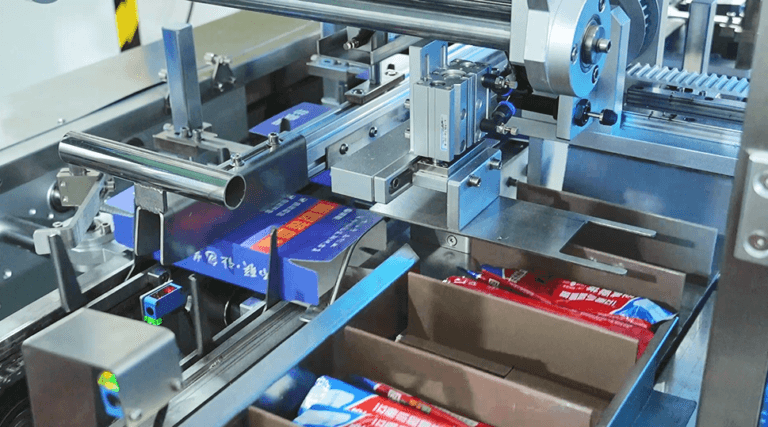
Precision is equally non-negotiable, driven by both safety and regulatory demands. Misalignment in sealing can create micro-gaps that compromise sterility, while inaccurate labeling risks medication errors. Standards like ASTM F88 require seal strength of at least 1.5N/15mm to ensure integrity, and any deviation can lead to batch rejects. UBL’s technology incorporates servo-driven controls that maintain sub-millimeter accuracy, critical for handling diverse formats from blister packs to vial cartons without compromising consistency.
This rigor stems from a layered regulatory framework. Agencies like the FDA enforce Current Good Manufacturing Practices (cGMP), while ISO 11135 and ISO 11137 govern sterilization validation—requiring a Sterility Assurance Level (SAL) of ≤10⁻⁶, meaning fewer than one in a million products might be non-sterile. Equipment that fails to meet these standards cannot gain market access, making compliance a prerequisite for industry entry.
For manufacturers, investing in compliant equipment like UBL’s isn’t just about meeting rules—it’s about reliability. Poorly designed machines cause costly downtime and batch failures, while precise, sterile systems reduce waste and protect brand reputation. In pharmaceuticals, where lives depend on every package, high equipment standards aren’t excessive—they’re essential.