The Shift from "Selling Products" to "Selling Services" for Packaging Equipment Manufacturers
Alyssa/ October 15,2025 Return
In the competitive landscape of packaging equipment—where brands like UBL Packaging once focused solely on delivering high-quality machines— a profound shift is underway: manufacturers are moving beyond “selling products” to “selling services.” This transformation isn’t just a business strategy; it’s a response to evolving customer needs. Today’s food, beverage, and consumer goods producers don’t just want reliable machines (like UBL’s automatic bagging lines or cartoning systems)—they need end-to-end support to maximize equipment efficiency, minimize downtime, and adapt to market changes. For forward-thinking firms like UBL, this shift is redefining success in the industry.
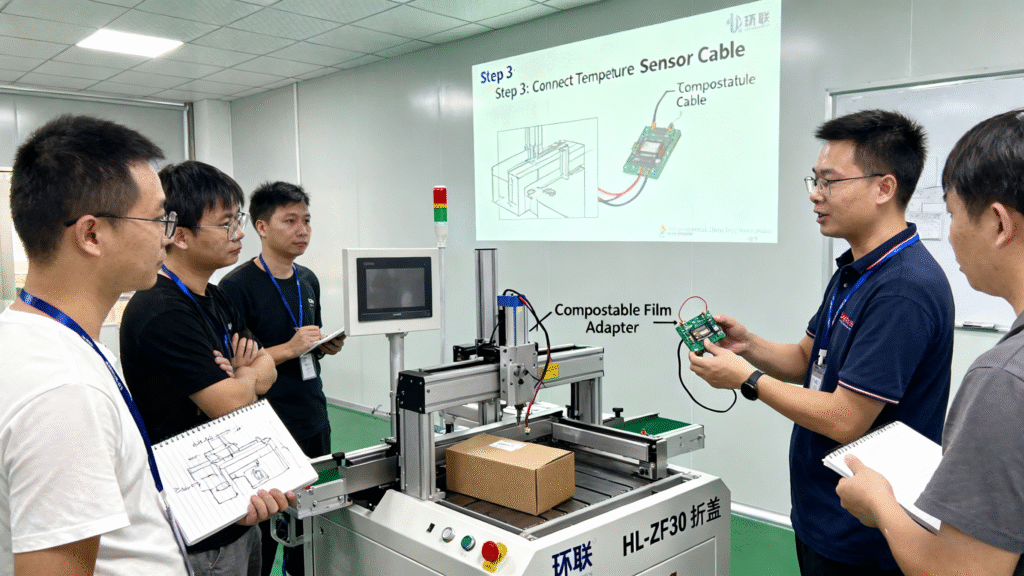
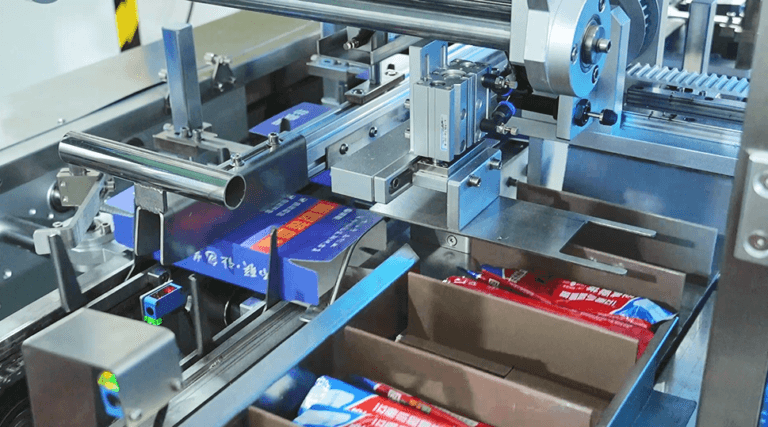
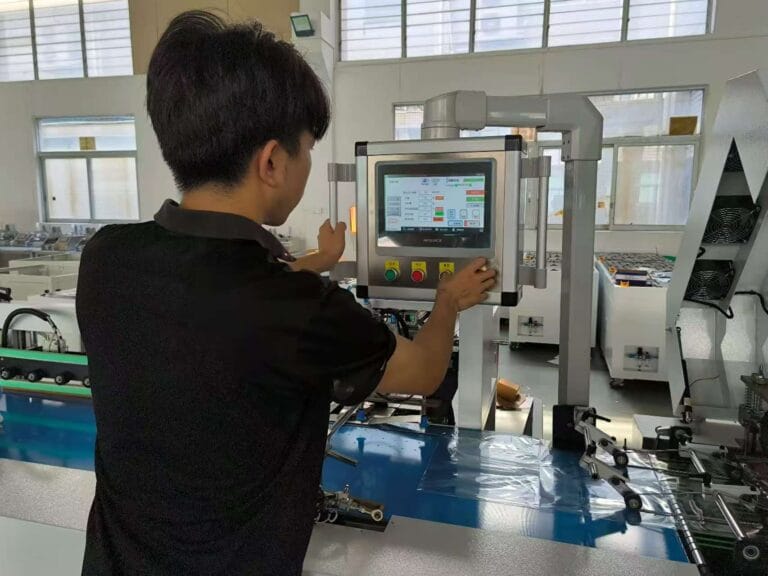
The driver behind this transformation is clear: customers now view packaging equipment as a long-term investment, not a one-time purchase. A snack factory that buys Huanlian’s HL-MA51K high-speed bagging machine, for example, doesn’t just need the machine to work on day one—it needs it to stay efficient for 5+ years, adapt to new small-pack formats, and resolve breakdowns fast during peak seasons. Traditional “sell-and-forget” models fall short here. UBL’s response? A service-centric approach that includes 24/7 technical support (covering 50+ countries via phone, video, and on-site visits), customized training programs (teaching teams to adjust settings for new SKUs or perform routine maintenance), and predictive maintenance (using IoT sensors on machines to alert customers to potential issues before they cause downtime). Last year, a UBL customer in the U.S. avoided a 3-day shutdown when the system flagged a worn bearing—thanks to real-time data from the machine’s sensors.
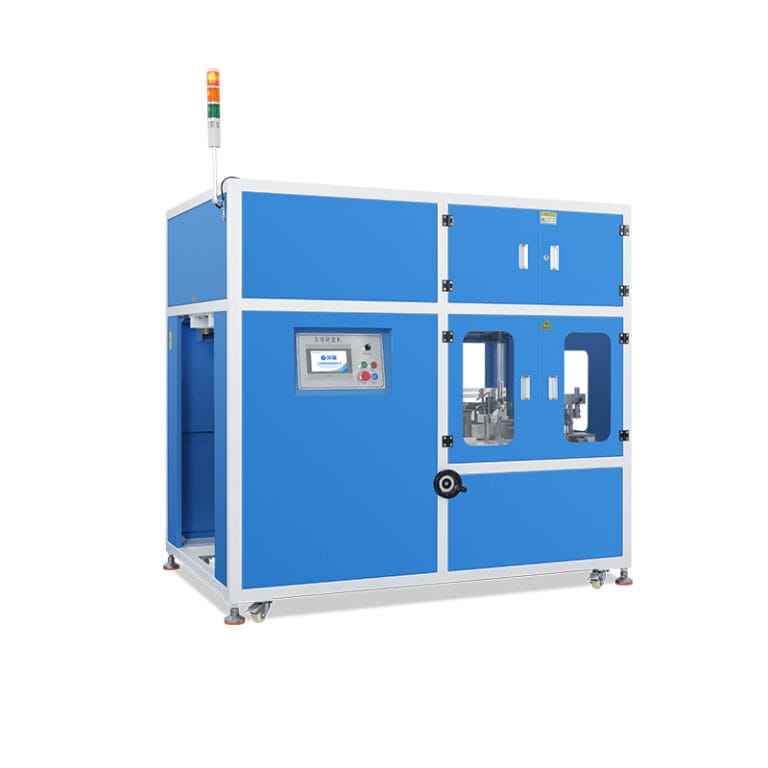
Another key service offering is equipment customization and upgrades. As market trends shift (like the rise of eco-friendly packaging), customers need their existing machines to evolve, not be replaced. UBL, for instance, offers retrofitting services for its HL-ZF30 fold-cover sealers—adding temperature-adjustable modules to handle compostable films, or integrating new labeling heads for “smart packaging” with QR codes. This not only extends the equipment’s lifespan but also cuts costs for customers. A European dairy brand, for example, upgraded its 3-year-old UBL cartoning line to handle mini yogurt cups instead of buying a new machine—saving 40% of the investment cost.
End-to-end solution design is also becoming a core service. Instead of selling standalone machines, manufacturers like Huanlian now design full packaging lines tailored to a customer’s workflow: combining filling, sealing, labeling, and quality control into a seamless system. For a beverage client launching a new line of 200ml mini bottles, Huanlian didn’t just supply a bagging machine—it engineered a complete line that integrates bottle sorting, filling, and cartoning, plus post-installation support to optimize speed. This “turnkey” service reduces the customer’s stress of coordinating multiple vendors and ensures the line runs smoothly from day one.
Of course, this shift comes with challenges. It requires manufacturers to invest in service teams (Huanlian has expanded its global technical staff by 30% in 2 years), IoT infrastructure for predictive maintenance, and training programs—costs that traditional product-focused models didn’t require. However, the rewards are significant: higher customer loyalty (UBL’s repeat customer rate has risen to 85% since emphasizing services), longer-term revenue streams (via annual maintenance contracts), and a competitive edge in a market where machines alone are no longer enough.
For packaging equipment manufacturers, the future lies in being more than a supplier—being a partner. By shifting from “selling products” to “selling services,” firms like UBL are not just meeting customer needs—they’re building lasting relationships that drive growth for both parties. In an industry where efficiency and flexibility are king, this transformation isn’t optional; it’s essential.
Newsletter Updates
Enter your email address below and subscribe to our newsletter
Trending now