When Packaging Looks Inconsistent, Sales and Marketing Have to Explain More Than They Should
Alyssa/ December 31, 2025 Return
In many food companies,
sales and marketing work hard to build a professional image.
They talk about quality.
They talk about standards.
They talk about reliability.
But all of that effort can be weakened
by something very simple:
how the box looks when it arrives.Get A Quote
Why Packaging Consistency Matters Inside the Company
For biscuit and snack brands,
packaging is not just for consumers.
It is also what:
- Sales teams show to customers
- Marketing teams use in materials
- Distributors see repeatedly
When packaging looks different from batch to batch,
questions start internally first.Get A Quote
Where Manual Cartoning Creates Internal Friction
Manual cartoning happens during secondary packaging,
after the food is already sealed.
Because it looks simple,
it often receives little attention.
But this is where variation begins.Get A Quote
Sales teams get unexpected feedback
Sales teams hear comments like:
- “This batch looks different”
- “The box doesn’t feel as neat as before”
- “Is this a new version?”
Even when nothing has changed,
sales has to explain.Get A Quote
Marketing materials lose accuracy
When packaging appearance changes:
- Product photos become outdated
- Displays don’t match real shipments
- Brand visuals feel inconsistent
Marketing ends up adjusting
instead of building.Get A Quote
Operations gets pulled into explanations
Operations teams are asked to:
- Clarify differences
- Recheck packaging
- Justify why “it’s acceptable”
Time that should go into improvement
goes into explanation.Get A Quote
Why Manual Control Can’t Fully Solve This
Most factories try to manage consistency by:
- Setting visual standards
- Training operators
- Adding checks
These efforts help,
but they rely heavily on people.
And that is the problem.
Manual cartoning depends on human judgment for appearance.
Different shifts,
different hands,
slightly different results.
Over time,
those differences spread across the organization.Get A Quote
How Internal Friction Turns Into External Risk
When internal teams feel unsure,
customers feel it too.Get A Quote
Confidence during sales conversations drops
Sales teams become cautious:
- Less bold claims
- More explanations
- More time spent reassuring
This weakens negotiation position.Get A Quote
Brand messaging becomes diluted
Marketing avoids strong visual promises
because consistency is not guaranteed.
The brand sounds safer,
but also less confident.Get A Quote
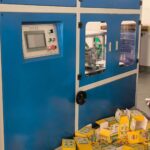
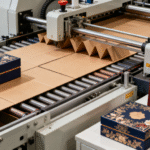
How a Cartoning Machine Supports the Whole Organization
Here we are talking about secondary packaging—
cartoning after individual packs,
with no direct contact with food.
This is where appearance can be fully standardized.Get A Quote
One visual standard, every time
- Fixed product placement
- Uniform box shape
- Repeatable presentation
Less explanation, more confidence
- Sales shows products without hesitation
- Marketing uses visuals longer
- Operations focuses on improvement, not defense
Brand consistency becomes a system outcome
Not something people “try to do right”,
but something the process delivers automatically.
This is not about speed or labor savings.
It is about removing uncertainty from how the brand is presented.Get A Quote
A Question Worth Asking
How often do your sales or marketing teams
need to explain packaging differences
that should not exist in the first place?
If packaging is part of how your brand speaks,
should it really depend on individual handling?
For many food brands,
this is where standardizing cartoning
starts to support not just production —
but the entire business.Get A Quote
| Industry | Internal Role Affected | Packaging Stage | Main Issue | Solution Keyword |
|---|---|---|---|---|
| Food | Sales & Marketing Teams | Secondary Packaging (Cartoning) | Inconsistent packaging appearance | Automatic Cartoning Machine |


Trending now