When You Can’t Hire Enough People — Your Packaging Line Becomes the First Casualty
Alyssa/ November 29, 2025 Return
Have you noticed how impossible it has become to hire reliable workers lately?
You post job ads.
You raise wages.
You promise bonuses.
You offer overtime.
You beg agencies.
You try referrals.
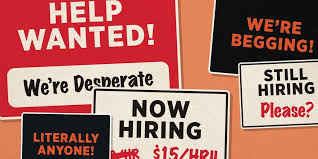
And still—
nobody shows up.
Or they show up for one week, get tired, and disappear like ghosts.
No call.
No message.
No explanation.
Just gone.
And the painful part isn’t just that you can’t hire people—
it’s that your entire factory begins collapsing because of it.
But nothing collapses faster than the packaging line.
You can survive losing one machine operator.
You can survive delays in raw materials.
You can survive a slow supplier.
But when the packaging area is understaffed?
Your entire production line crumbles like a sandcastle in the rain.
Because packaging isn’t just “the last step.”
Packaging is the bottleneck of the entire factory—
the weakest link,
the most sensitive section,
the area that magnifies every labor shortage into a disaster.
Let me describe the scene you know too well:
You walk onto the floor.
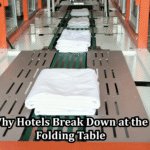
Your folding machine is running, but the operator is alone and overwhelmed.
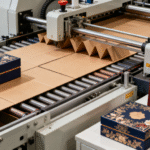
Your cartoning machine is forming boxes, but nobody is monitoring alignment.
Your bagging machine is sealing bags, but the worker responsible for checking quality has been absent for days.
The production line pushes products forward…
and the packaging line can’t keep up.
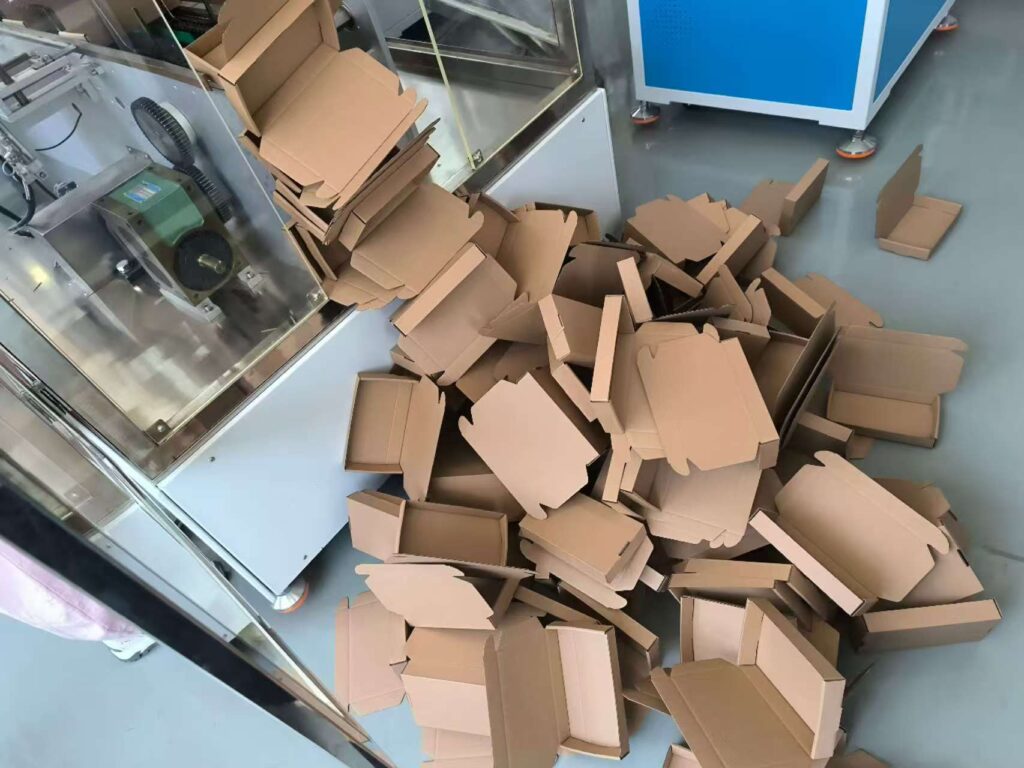
Output slows.
Inventory piles up.
Tension rises.
Supervisors panic.
Deadlines slip.
Customers complain.
And everyone keeps saying the same sentence:
“We just don’t have enough people.”
But here is the brutal truth that factory owners don’t want to admit:
It’s not that you don’t have enough people.
It’s that your packaging line should never have depended on people in the first place.
Packaging is the worst job for human labor in 2025.
It’s repetitive.
It’s exhausting.
It’s fast-paced.
It requires precision.
It demands consistency.
And it offers very little satisfaction.
Young workers don’t want to do it.
Older workers can’t physically sustain it.
Temporary workers do it badly.
Agencies can’t find anyone.
And the few workers you manage to keep?
They burn out—fast.
Let me be honest with you in the way nobody else is:
Manual packaging is dead.
Not because machines replaced people—
but because people don’t want these jobs anymore.
This is why the labor shortage hits your packaging line first.
Not assembling.
Not molding.
Not QC.
Not warehousing.
Always packaging.
Always the final meter.
Always the part that exposes every workforce weakness like a spotlight.
And here’s what happens when your packaging line can’t get enough labor:
Your folding machine stops more often.
Your cartoning machine jams more frequently.
Your bagging machine produces more defects.
Your supervisors become firefighters.
Your production becomes unpredictable.
Your morale collapses.
Your customers lose patience.
Your profits shrink.
Not because your machines are bad.
Not because your workers aren’t trying.
But because a human-dependent packaging line in 2025 is a ticking time bomb.
Factories in the US and UK already understand this.
They are facing the same labor shortage you are.
The same absenteeism.
The same burnout.
The same daily frustration of “nobody showed up.”
And guess what they’re doing?
They’re automating the packaging line first.
Not CNC machines.
Not robotic arms.
Not fancy IoT dashboards.
No—
the first thing they replace is everything involving folding boxes, forming cartons, sealing bags, loading packages, and closing flaps.
Because once the packaging line is automated,
the entire factory becomes less dependent on unpredictable labor.
That’s where UBL comes in.
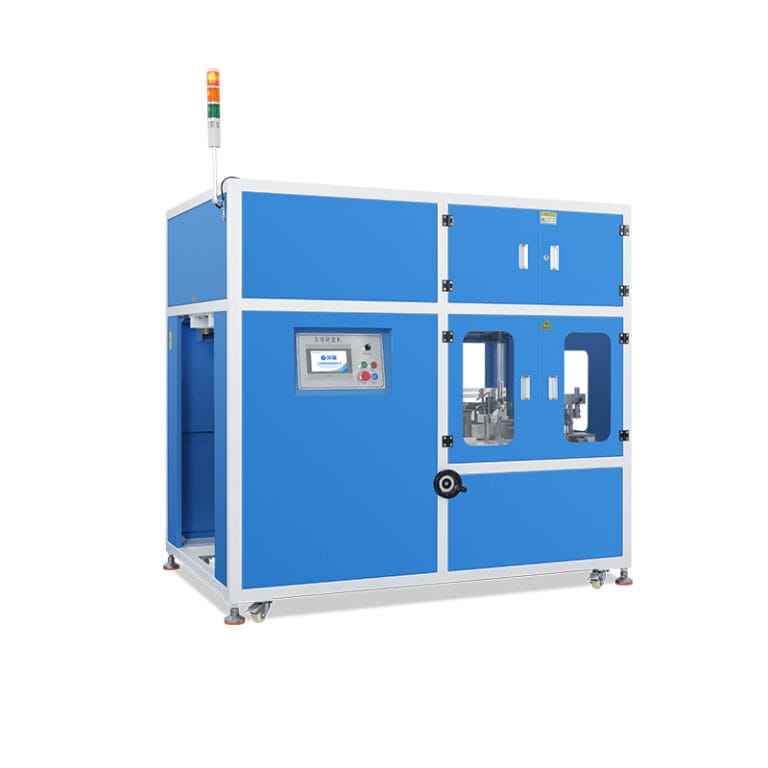
Factories choose UBL’s folding machines because they eliminate the need for three workers who used to stand beside a table folding boxes manually.
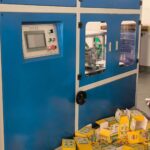
They choose UBL’s HL-Z15 Cartoning Machine because it forms, folds, loads, and closes boxes with the rhythm of a heartbeat—something no human team can sustain during peak season.
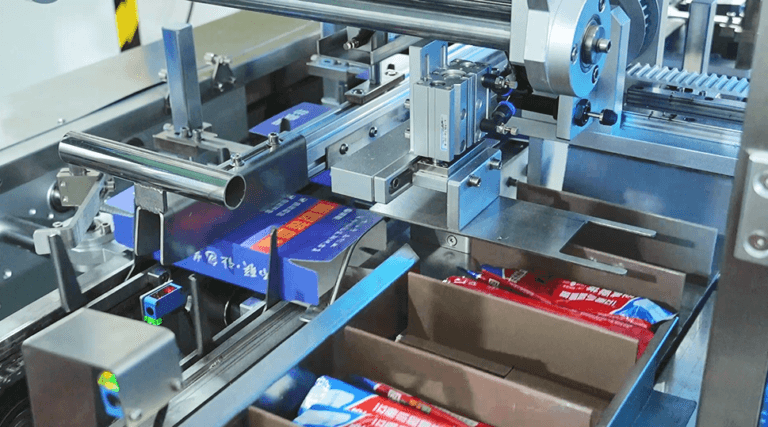
They choose UBL bagging machines because sealing accuracy drops instantly when workers get tired, and labor shortage means everyone is always tired.
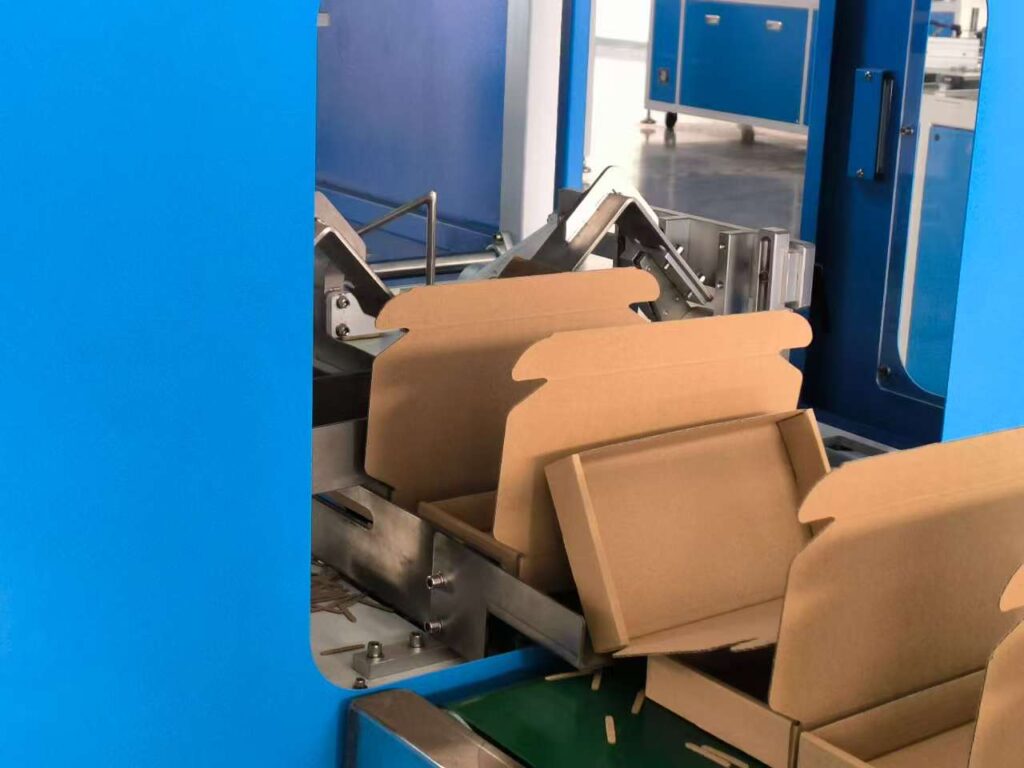
UBL machines do the work of entire teams—
without quitting,
without calling in sick,
without asking for overtime,
without slowing down at 4 p.m.,
without complaining that the job is too repetitive.
And that’s the key:
Automation doesn’t replace workers—
automation replaces the WORK that workers don’t want to do anymore.
Think about this logically:
If workers are impossible to find,
and the workers you do have are overwhelmed,
and the packaging line collapses every time someone quits—
then why would you continue depending on people to hold the most fragile part of your factory together?
If you continue relying on human labor on the packaging line,
here’s what WILL happen—not maybe, not possibly, but definitely:
You will miss deadlines.
You will lose customers.
You will waste materials.
You will pay more overtime.
You will get more complaints.
You will burn out your team.
You will slow down your entire production line.
You will fail during peak seasons.
You will grow frustrated with your own factory.
But when you automate your folding, cartoning, and bagging processes?
Everything changes.
Overnight.
Workers stop rushing.
Machines stop choking.
Output stabilizes.
Quality becomes consistent.
Production becomes predictable.
And the labor shortage suddenly… disappears.
Not because you hired more people—
but because the sensitive, fragile, unstable parts of your factory
no longer depend on people at all.

So let me ask you honestly:
How many people does your packaging line require each day?
And how many do you actually have?
If the two numbers don’t match——you already know the solution.
You don’t need more people.
You need fewer people doing packaging.
You need machines that don’t quit.
You need the last meter to become the most stable meter.
You need UBL-level automation—
because the labor shortage isn’t going away.
And your packaging line can’t wait anymore.
Trending now