Why Blind Box Toy Production Lines Collapse at the Boxing Stage
Alyssa/ December 2, 2025 Return
The Hidden Bottleneck Inside Every Blind Box Factory
Why the Boxing Step Fails When Orders Increase
Why is it that blind box toy production lines—built on creativity, novelty, and collectible value—always fall apart at the very last step? Figurines are molded beautifully. Colors look perfect. Accessories are sorted. Inner bags are sealed. Everything upstream looks professional and stable…
until the products reach the boxing area.
Suddenly, the entire line slows.
Workers panic.
Boxes look inconsistent.
Inserts shift.
And the packaging zone becomes a battlefield no one prepared for.
If you’re producing blind box toys or collectible figurines, you’ve probably asked:
“Why does the boxing step explode right when production should be fastest?”

What Really Happens at the Packaging Table
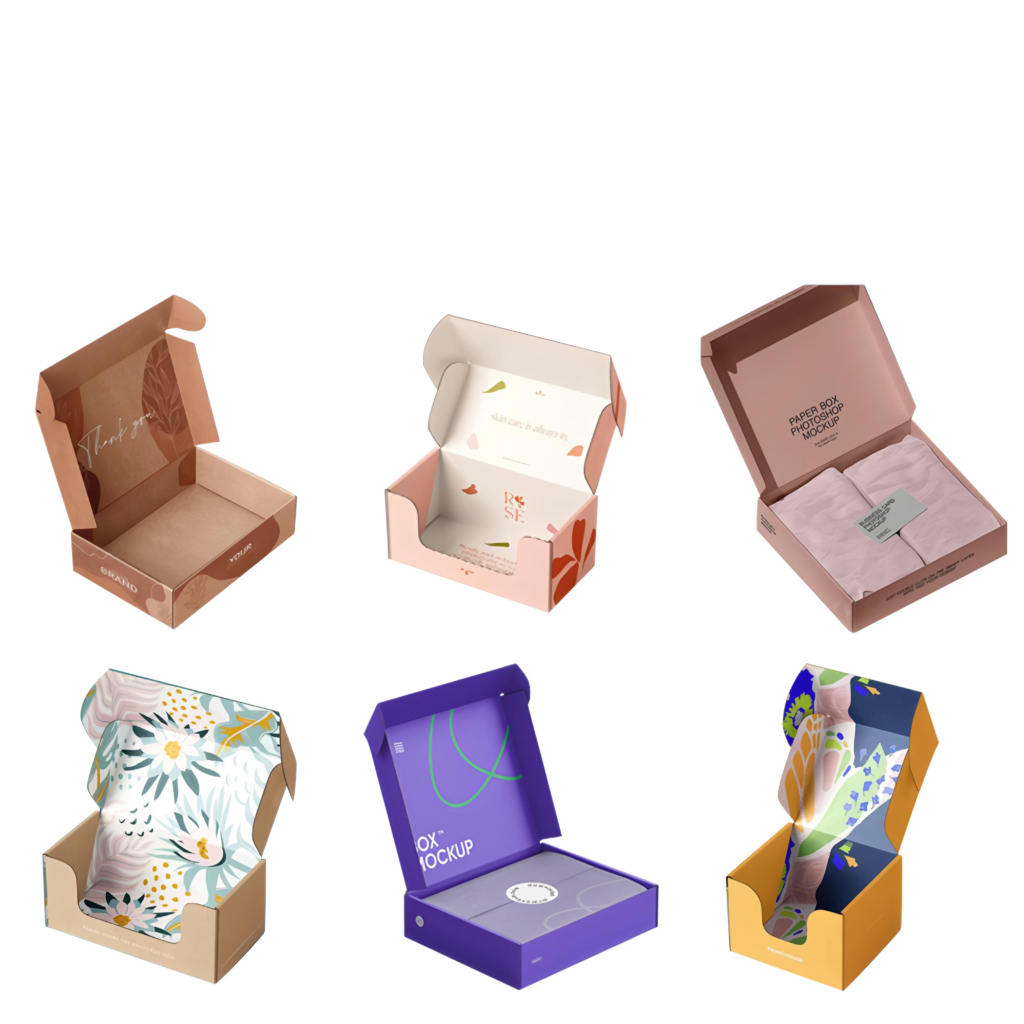
Blind box packaging looks simple from the outside. But in reality, it’s the step where brand value silently collapses. Glossy boxes slip in workers’ hands. Corners become soft. Special-edition prints are difficult to fold. Inserts don’t stay in place. Figurines tilt. Blind bags slide.
And every new wave of SKUs forces workers to constantly adjust techniques.
By noon, fatigue takes over.
Corners go crooked.
Stacks tilt.
QC runs around like firefighters.
Sales pushes for faster shipping.
And social media promotions are already scheduled.
One unstable box becomes the start of a chain reaction.
The Core Problem Behind Blind Box Packaging Chaos
Why Manual Boxing Cannot Handle Collectible-Level Requirements
Blind boxes are not “just packaging.”
Packaging IS the product.
Collectors care about edges, firmness, gloss, alignment, and mystery.
A single soft box makes a collectible feel cheap—even fake.
Manual boxing fails because blind boxes require:
- precision
- consistency
- structural strength
- aesthetic perfection
Humans simply can’t deliver this all day long—especially under pressure.
How Poor Packaging Damages Brand Value
When boxing goes wrong:
- figurines shift and look “misplaced”
- corners crush during shipping
- QC rejects entire batches
- e-commerce buyers leave negative reviews
- influencers avoid filming unboxings
- retailers refuse shelves due to weak boxes
Your product may be premium, but your customer sees the box first.
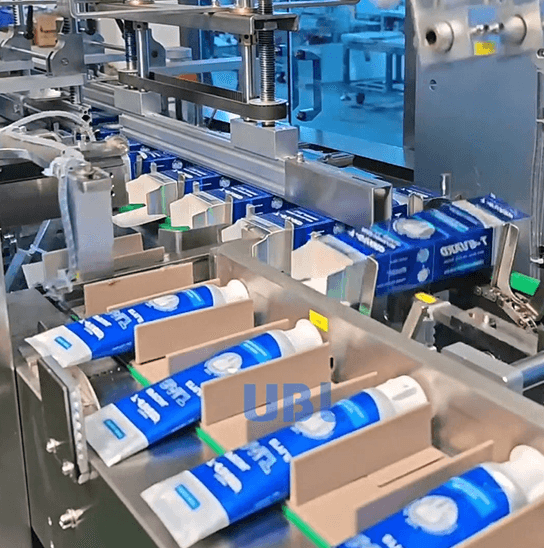
How UBL Cartoning Machines Solve These Blind Box Problems
Stable Box Forming for Glossy or Laminated Boxes
UBL’s cartoning machine forms every box with:
- sharp edges
- firm structural strength
- precise right angles
- consistent pressure
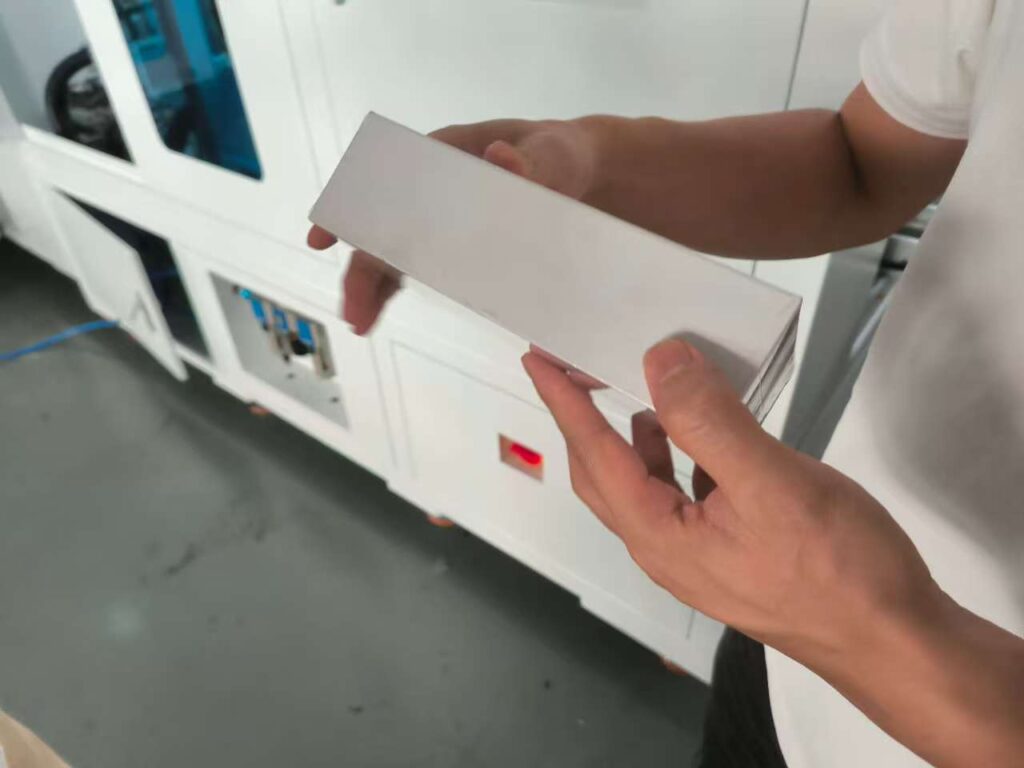
Glossy laminated prints?
Foil?
UV varnish?
Special texture paper?
No problem—UBL handles them without slipping or deformation.
Precise Insert Positioning for Figurines and Accessories
UBL ensures:
- figurines stay upright
- accessories remain stable
- inserts lock into perfect alignment
- no shifting during transport or shelf display
Every box becomes “collector-grade.”
Fast Box-Size Changeover for Multiple Blind Box Series
UBL adapts quickly to:
- new series
- special editions
- limited-run collections
- mixed packaging campaigns
This flexibility removes the production fear of “SKU explosion.”
What Happens After Automating Blind Box Packaging
Immediate, Visible Improvements
Factories report:
- boxes look like premium samples
- structural strength increases
- collectors stop complaining
- packaging becomes 100% consistent
- speed finally matches demand
- social media unboxing content improves
UBL doesn’t just improve packaging—
it protects your brand universe.
Is Your Boxing Area Hurting Your Blind Box Brand?
Questions Every Toy Factory Should Ask
Is your boxing area:
- slowing the entire line?
- ruining the collectible “premium feel”?
- inconsistent across batches?
- producing soft corners or weak folds?
- collapsing during peak seasons?
- making QC and shipping stressful?
If yes, then the problem isn’t the figurine.
The problem is the box.
And UBL exists to fix exactly that.
Tell me what types of blind boxes you produce—figurines, mini toys, accessory kits, special editions—and I’ll recommend the UBL cartoning solution that fits your production perfectly.
| Issue | Cause | Impact on Production | Recommended Solution | Related Equipment (UBL) |
|---|---|---|---|---|
| Box corners collapsing | Insufficient carton forming pressure or poor crease quality | Soft boxes, damaged appearance, higher rejection rate from QC and retailers | Increase forming pressure, optimize carton blank quality, adjust folding guides | UBL Automatic Cartoning Machine |
| Inserts shifting inside box | Unstable insert positioning or incorrect insert size for figurines | Figurines tilt, accessories move, blind box loses “premium” unboxing feel | Redesign insert locking points, fine-tune insert feeding and positioning unit | UBL Insert Feeding & Positioning Module |
| Glossy boxes slipping during forming | Laminated or UV-coated surface reduces friction on transport belts | Misaligned folds, skewed print, inconsistent box dimensions | Use anti-slip belts, adjust clamp force, optimize vacuum and timing | UBL High-Friction Carton Transport System |
| Box not fully closed or popping open | Incorrect tuck-flap angle or insufficient locking force | Open cartons in cases, risk of damage during shipping and handling | Adjust tuck-in mechanism, verify locking tab design, check folding sequence | UBL Tuck-in Closing Unit |
| Low speed during peak orders | Manual assistance required for delicate figurines and accessories | Unable to meet launch schedule, delayed shipments, overtime labor | Add automatic product loading, optimize line speed and buffer zones | UBL Automatic Product Loading System |
Trending now