Why Do Clothing Factories Lose Money at the Final Step No One Talks About?
Alyssa/ November 26, 2025 Return
Have you ever wondered why a clothing factory can run smoothly from cutting to sewing to trimming, yet still fall apart at the very last step—folding? Shirts come off the sewing line looking perfect, tags attached, threads trimmed, quality checks passed. Everything seems under control… until the products reach the folding table. Suddenly the pace slows, stacks look messy, sizes become inconsistent, and the whole finishing area feels like a bottleneck nobody warned you about.
If you’re in the apparel industry—whether you run a garment factory, a T-shirt printing shop, or an e-commerce brand—you’ve probably had moments where you looked at the folding section and thought:
“Why is such a simple task dragging down my entire production line?”
The truth is, folding isn’t simple at all. And the pain becomes obvious the moment your orders increase.
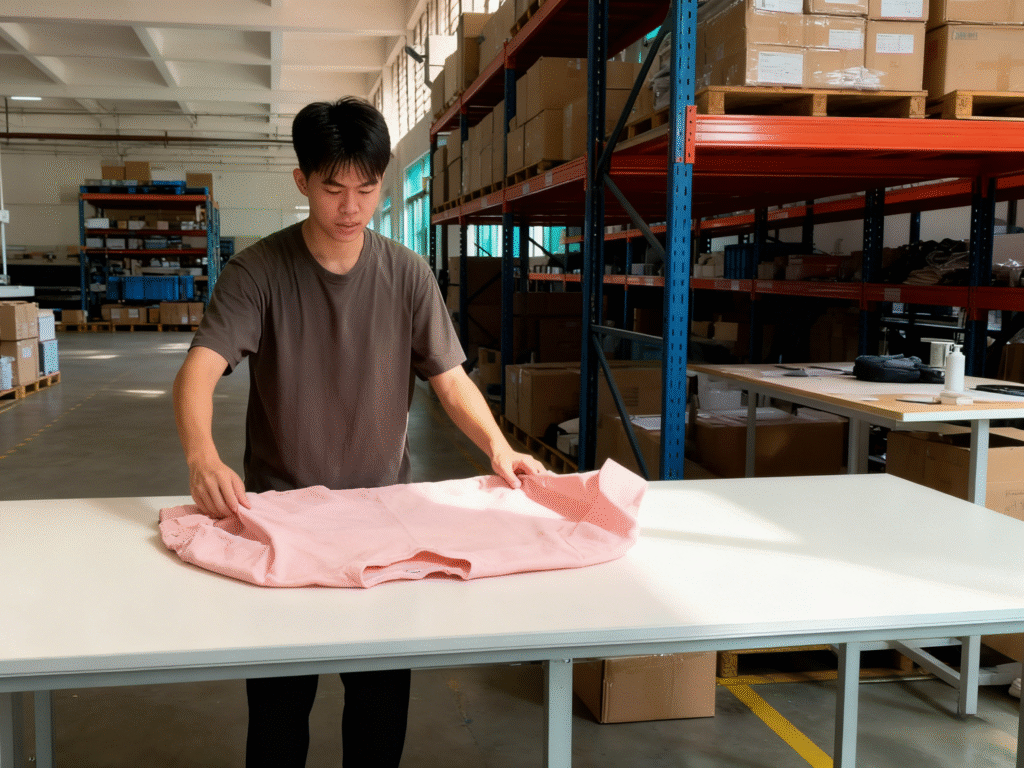
Picture this: workers standing in a hot finishing room, folding hundreds or thousands of shirts a day. Their hands get tired, sleeves don’t align, some shirts come out too wide, others too narrow. The stacks start to lean. Sizes get mixed. The QC team starts complaining. Order deadlines creep closer while the folding table becomes a battlefield of fabric. The more pressure you add, the more unstable everything becomes.
This is the moment when the disaster grows silently.
A slight delay in folding → piles overflow → packing slows → the warehouse waits → shipping gets delayed → customer complaints rise → your brand credibility drops. And the worst part? It all starts with something as small as “the shirts don’t fold the same.”
Here’s the core truth: manual folding in apparel factories is inconsistent by nature. Folding relies on human judgment—how tired a worker is, how much pressure they use, how well they align edges, and what size they’re folding. Humans are not robots. And when you expect them to behave like robots for 8 hours straight, the folding area becomes your biggest hidden cost.
So what can you do?
This is where automation steps in—not as a luxury, but as the only stable way to scale.
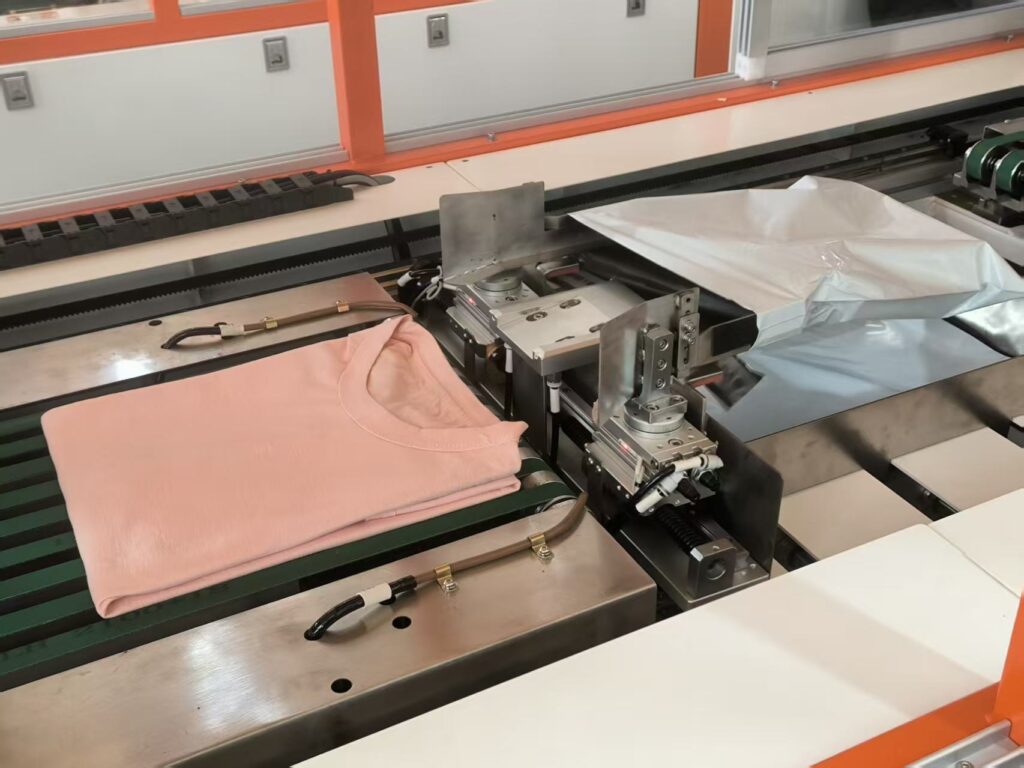
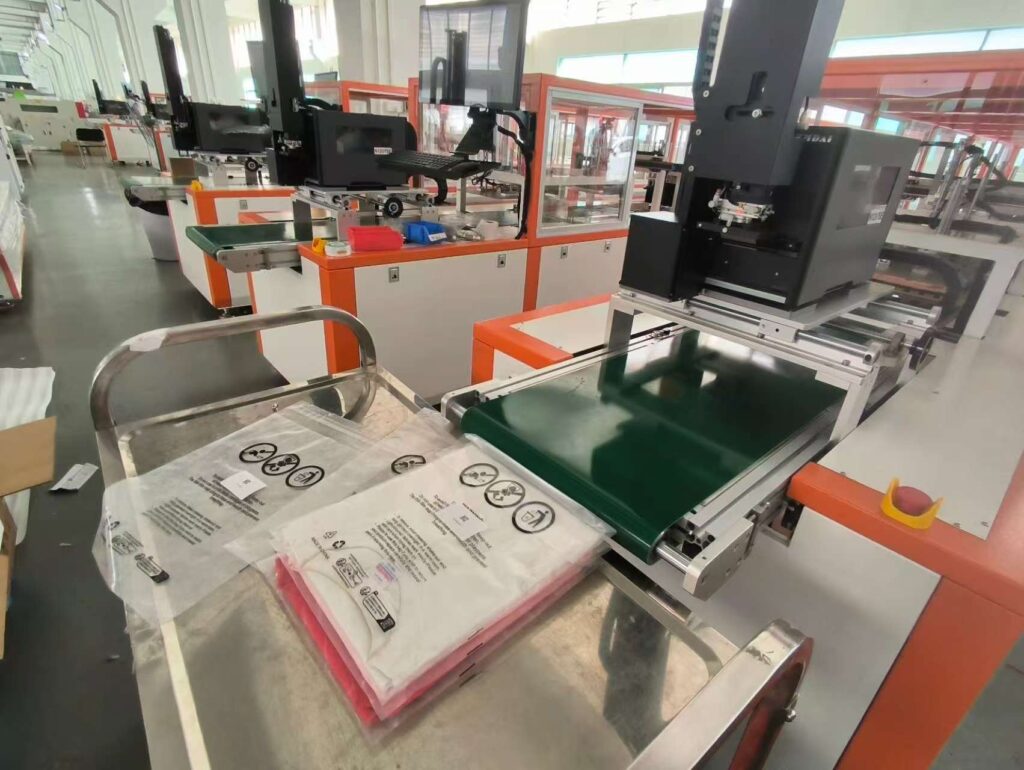
A solution like UBL’s automated folding machine removes the unpredictability from your finishing line. Instead of relying on manual skill, the machine delivers perfectly aligned folds, consistent sizes, and clean, professional stacks every single time. T-shirts, sweaters, polo shirts, uniforms—whatever your product is, the folding result stays identical. The workers no longer struggle with fatigue or speed; they simply load items and let the machine do the precision work.
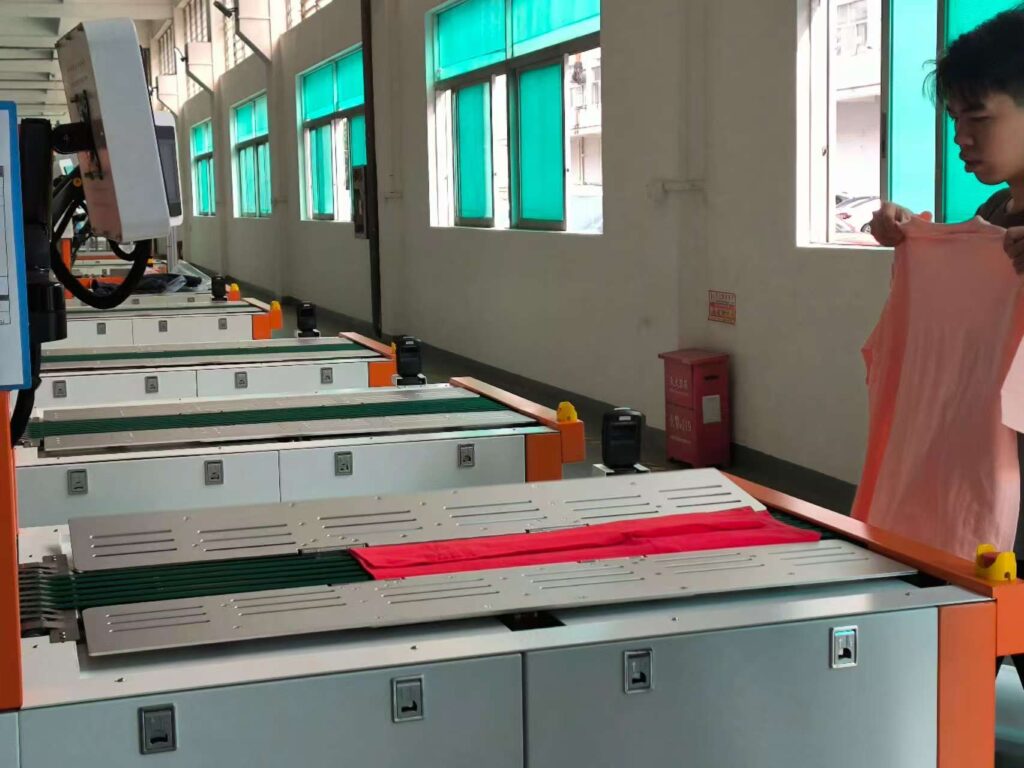
Factories that switch to automated folding often describe the same experience:
“The sewing line finally makes sense. We’re no longer waiting on finishing.”
“The entire workflow feels smoother.”
“Our rejection rate dropped because the final presentation looks premium.”
“During peak seasons, we don’t panic anymore.”
This is why more apparel businesses are searching for terms like “apparel folding automation,” “garment folding machine,” “T-shirt folding solution,” “finishing line improvement.”
They’re all trying to solve one problem:
“How do I stop folding from slowing everything down?”
But the reason UBL stands out isn’t just speed—it’s consistency. In apparel, presentation matters. A clean fold makes a product look premium. A perfect stack makes your brand look trustworthy. When your finishing area looks professional, your customer feels the quality before they even wear the garment.
So here’s the question you need to ask yourself:
Is folding the part of your factory that always gets blamed, always gets rushed, always gets messy, always gets overlooked—but always causes the most losses?
If you’re ready to fix the step that secretly drains your output, your schedule, and your profits, tell me what products you fold. I’ll recommend the perfect UBL folding solution for your clothing line.
Trending now