Why Unstable Cartoning Machines Are Quietly Costing Food Factories Their Expansion Opportunity
Alyssa/ January 13, 2026 Return
If you run a food factory and are planning to scale up production, you are probably not worried about demand.
Orders are there.
The market is there.
Growth looks possible.
What actually keeps you awake at night is something else.
What if expansion exposes problems you can no longer control?
In many food factories, that fear becomes real at the cartoning stage.
Expansion Is Where Small Problems Become Structural Risks
Low-volume production hides instability
At lower output, instability feels manageable.
People step in.
Schedules stretch.
Small stops don’t feel dangerous.
As long as production stays limited, the system survives.
Expansion removes all protection
Once volume increases, the same small issues no longer stay small.
Short cartoning stops begin to stack up.
Minor jams start affecting the entire line.
Production plans lose accuracy.
Expansion does not create new problems.
It exposes existing ones.
Why Cartoning Stability Decides Whether Expansion Works
Speed cannot compensate for instability
Many factories invest in faster equipment when expanding.
Higher output targets.
Bigger capacity numbers.
More aggressive scheduling.
But when cartoning is unstable, higher speed only creates more chaos.
Faster interruptions.
More pressure on operators.
More time spent fixing instead of producing.
Expansion demands predictability, not peak speed
For expansion to succeed, one question matters most:
Can the cartoning machine run steadily, shift after shift, without constant intervention?
If the answer is no, expansion becomes a risk, not a strategy.
What Unstable Cartoning Really Does to a Growing Factory
Expansion turns into constant firefighting
Unstable cartoning does not shut the line down.
It interrupts it repeatedly.
Small stops.
Frequent adjustments.
Continuous manual attention.
Over time, managers stop trusting schedules.
Teams stop expecting plans to hold.
The factory looks busy, but control is lost.
Labor increases instead of efficiency
To protect output, more people are added.
Operators watch the machine.
Supervisors stay close.
Overtime becomes routine.
Expansion was supposed to reduce pressure.
Instead, it amplifies it.
If You Keep the Same Cartoning Machine, Here Is What Usually Happens
This is the part many factories avoid thinking about.
If cartoning stability is not addressed during expansion:
Production plans remain unreliable.
Labor dependency increases.
Costs rise quietly but permanently.
Growth becomes stressful instead of profitable.
The factory keeps running, but scaling never truly succeeds.
You are no longer expanding a system.
You are stretching a weak point.
Why People Are Often Used to Cover Equipment Problems
Human intervention feels fast and flexible
When instability appears, people react faster than machines.
They clear jams.
They adjust cartons.
They keep things moving.
In the short term, this works.
But labor hides the real problem
Relying on people does not improve stability.
It increases cost.
It creates dependency.
It makes expansion fragile.
The root issue remains untouched.
The Question That Matters More Than Expansion Speed
The real question is not:
“How fast can we run?”
It is:
“How consistently can we run?”
If cartoning performance changes from shift to shift, you are not scaling production.
You are gambling with it.
How We Design Cartoning Machines for Growing Food Factories
When we design cartoning machines, we do not start with peak speed numbers.
We start with stability under real production pressure.
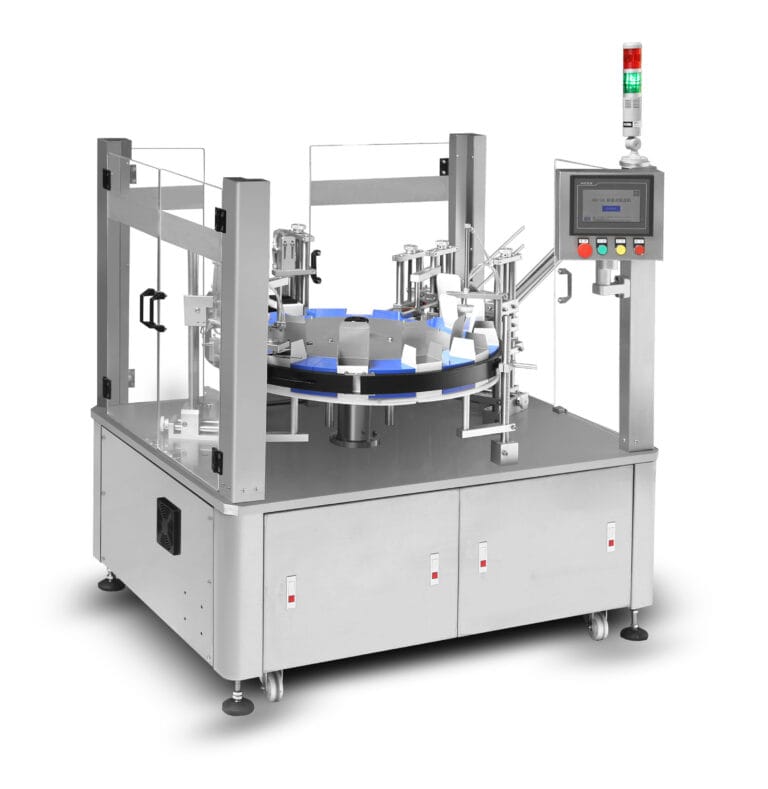
Our cartoning machines are designed for secondary packaging in food factories where:
Production runs are long.
Output must be predictable.
Interruptions multiply fast.
By focusing on consistent carton handling and reliable operation, we help factories regain control as they expand.
When cartoning becomes stable:
Production schedules hold.
Manual intervention decreases.
Expansion becomes manageable instead of risky.
Expansion Should Feel Controlled, Not Exhausting
Successful expansion feels calm.
Plans become believable.
People stop firefighting.
Management focuses on growth instead of recovery.
Cartoning stability is what makes that possible.
Before You Expand Further, Ask Yourself This
Is cartoning the stage that worries you most when planning growth?
Does output fluctuate even when demand is stable?
Do you rely on people to protect the plan every day?
If yes, the issue may not be your expansion strategy.
It may be the stability of your cartoning machine.
If you want, you can share your product type, production target, or expansion concerns.
For many food factories, fixing cartoning stability is the turning point between stressful growth and sustainable expansion.
| Keyword | Search Intent | Category |
|---|---|---|
| cartoning machine | Commercial | Core Equipment |
| automatic cartoning machine | Commercial | Machine Type |
| secondary packaging machine | Commercial | Application |
| food cartoning machine | Commercial | Industry |
| cartoning machine stability | Informational | Core Pain Point |
| food factory expansion | Informational | Scenario |
| production scaling risk | Informational | Loss Awareness |
Trending now