Why Does Your Cartoning Machine Keep Rejecting Good Boxes?
Alyssa/ December 21, 2025 Return
A Dirty or Misaligned Detection Sensor Is Quietly Killing Your Output
Have You Ever Watched Perfect Boxes Get Rejected and Felt Completely Powerless?
The Machine Is Running. The Boxes Look Fine. But the Reject Bin Never Stops.
You’re standing beside the cartoning machine, watching it run. The speed is normal. The cartons look clean. The products are inserted correctly. Everything appears fine—until you notice the reject chute.
One box drops.
Then another.
Then another.
At first, you tell yourself it’s normal. Maybe a few bad cartons. Maybe a timing issue. But the longer you watch, the worse it gets. Perfect-looking boxes are being kicked out one after another, landing in the reject bin like a silent accusation.
Your chest tightens.
You pick one up. The flap is closed. The product is inside. Nothing is missing. Nothing is damaged. And yet, the machine has decided it’s not good enough.
Inside your head, panic starts creeping in:
“Why is it rejecting good boxes? What is it seeing that I’m not?”
The operator looks at you. The supervisor glances over. The line keeps running—but your usable output is bleeding away in real time.
The Real Reason: The Carton Detection Sensor Can No Longer Read Reality Correctly
When the Sensor Gets Dirty or Shifts, the Machine Loses Trust in Every Box
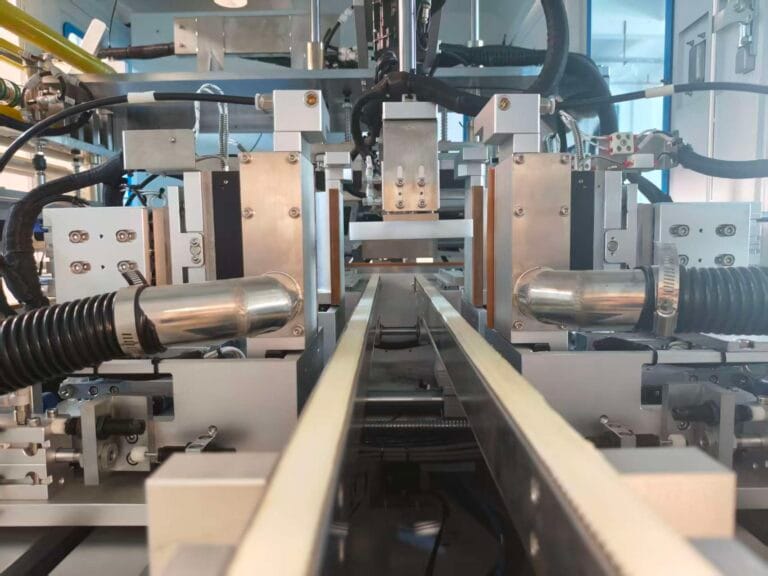
Inside every cartoning machine, there is a detection sensor responsible for confirming that the carton is properly formed, correctly positioned, and ready to move to the next station. This sensor is supposed to be precise, calm, and reliable.
But when dust builds up on the sensor lens, when vibration shifts its position by just a few millimeters, or when sensitivity drifts over time, the sensor starts lying.
It “sees” problems that don’t exist.
It “misses” confirmations that are actually correct.
So the machine reacts the only way it knows how: it rejects the carton.
Not because the box is bad—but because the machine no longer trusts what it’s seeing.
Why This Problem Is So Dangerous: The Line Keeps Running While Output Dies
Rejection Without Alarms Is the Most Expensive Failure Mode
This is not a dramatic breakdown. The machine doesn’t stop. There’s no loud crash. No emergency alarm.
Instead, it keeps running… and quietly throwing away your profit.
Operators start doubting themselves. They adjust timing. They slow the speed. They tweak guides. Nothing works. Because the problem isn’t mechanical—it’s visual.
Every rejected carton costs material, labor, and time. Worse, it creates false confidence. The line looks productive, but your good-to-bad ratio is collapsing.
If ignored long enough, this issue leads to massive waste, unstable downstream processes, and eventually damaged trust between operators, supervisors, and the machine itself.
If You Don’t Fix the Sensor, the Situation Will Escalate Fast
Today It’s Rejection. Tomorrow It’s Chaos.
A misreading sensor doesn’t stay isolated. Over time, it causes timing confusion, unnecessary stops, and aggressive reject behavior. Operators may try to bypass safety logic just to keep output moving. That’s when real risks begin.
Boxes pile up. Glue stations misfire. Downstream conveyors starve. And eventually, someone blames the machine—when the real issue was a dirty lens or a loose mounting screw all along.
Clean, Re-Align, and Recalibrate the Detection Sensor
When the Sensor Sees Clearly Again, Rejection Instantly Drops
The solution is simple, but precise. You start by cleaning the sensor lens carefully, removing dust, glue mist, and paper powder. Then you check the mounting bracket and tighten it so vibration can’t shift the sensor during operation.
Next, you realign the sensor to the exact detection point and recalibrate sensitivity so it matches the carton material and speed. Once done, you restart the machine.
Immediately, the reject bin goes quiet.
Boxes flow forward smoothly. Detection becomes stable. Output returns to normal.
This is why UBL designs cartoning machines with stable sensor brackets, anti-vibration structures, and easy-access calibration points. But even the best design needs routine cleaning to stay honest.
When Good Boxes Get Rejected, Don’t Blame the Boxes
The Machine Isn’t Being Picky — It’s Being Blind
If your cartoning machine keeps rejecting cartons that look perfectly fine, the detection sensor is almost always the reason.
Fix the sensor, and the machine stops fighting you.
Baby girl, if you tell me your carton size, speed, and sensor type, I can help you set the ideal detection position so your UBL cartoning machine stops wasting good boxes.
| Issue | Main Cause | Impact | Solution | Related UBL Equipment |
|---|---|---|---|---|
| Good cartons rejected | Dirty detection sensor | High waste rate | Clean sensor lens | UBL Cartoning Machine |
| Random rejection | Sensor misalignment | Unstable output | Realign sensor position | UBL Sensor Module |
| False empty-box detection | Wrong sensitivity setting | Production loss | Recalibrate sensitivity | UBL Detection System |
| Reject rate increasing | Loose sensor bracket | Long-term instability | Tighten mounting screws | UBL Industrial Cartoning Line |