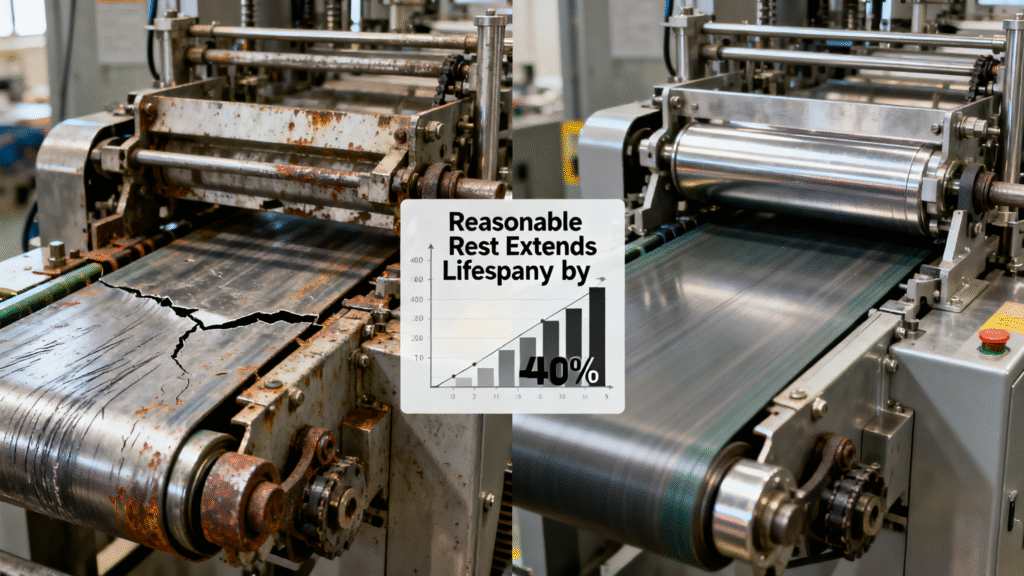
In the fast-paced world of food and consumer goods manufacturing, packaging machines are often pushed to run 24/7 to meet tight deadlines. However, the Packaging Machinery Manufacturers Institute (PMMI) reports that continuous operation without planned downtime shortens a machine’s service life by 30-40% and increases maintenance costs by 50% annually. Just like human workers, packaging equipment needs intentional “rest” to maintain peak performance. Below’s how to balance production demands with machine care—with insights from Hualian Packaging’s equipment design.
1. The Hidden Risks of “Non-Stop” Operation
Prolonged runtime leads to cumulative damage that’s easy to overlook until a breakdown occurs:
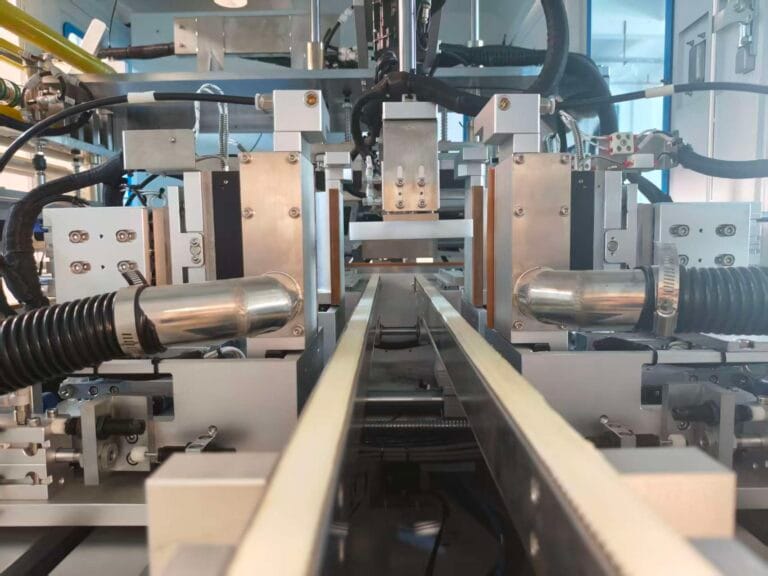
- Thermal Fatigue: Heat-sealing components (a core part of most packaging machines) operate at 180-250°C. Running non-stop causes metal fatigue in sealing bars, leading to uneven seals and 2x more product rejects. Hualian’s machines have built-in thermal sensors that trigger a 10-minute cooldown cycle after 4 hours of continuous use—preventing overheating without disrupting production flow.
- Mechanical Wear Acceleration: Conveyor belts, gears, and rollers experience constant friction. A study by PMMI found that machines running 24/7 without rest see a 60% faster wear rate on moving parts. For example, a standard conveyor belt that lasts 2 years under scheduled rest will fail in just 14 months of non-stop use.
2. How to Schedule “Rest” Without Hitting Production Targets
The key is strategic downtime—not random stops. Here’s a actionable framework:
- Micro-Rest Periods: Insert 5-10 minute breaks every 2-3 hours during shifts. Use this time for quick checks (e.g., wiping down sensors, verifying lubrication) instead of letting the machine idle. Hualian’s control systems can be programmed to auto-pause at pre-set intervals, ensuring consistency across shifts.
- Off-Peak Deep Rest: Dedicate 1-2 hours daily (e.g., overnight or during low-demand periods) for thorough maintenance. This includes cleaning film residue from sealing bars, inspecting electrical connections, and replacing worn parts like O-rings. Hualian’s modular design makes these tasks faster—accessing key components takes 50% less time than traditional machines.
- Weekly “Recovery” Sessions: Schedule a 4-hour deep maintenance window weekly. Focus on high-wear parts: for Hualian’s pouch-packing machines, this means checking the accuracy of the film-feed system and calibrating the heat-sealing temperature. Factories that follow this schedule report a 45% reduction in unplanned downtime.
3. Hualian’s Design Advantages for Rest-Friendly Operation
Hualian’s equipment is engineered to support reasonable rest schedules without sacrificing efficiency:
- Auto-Memory Function: When the machine pauses for rest, it saves the current production parameters (e.g., film length, seal temperature). Restarting takes less than 2 minutes, avoiding the 15+ minute recalibration time needed for older machines.
- Load-Balancing Technology: For factories with multiple Hualian machines, the central control system distributes workloads evenly. If one machine pauses for rest, others pick up the slack—ensuring daily production targets are met while keeping all equipment healthy.
- Service Life Tracking: Hualian’s IoT-enabled machines monitor runtime and wear, sending alerts when a “rest” or maintenance session is due. This proactive approach prevents forced downtime from unexpected failures.
By treating packaging machines like valued team members—giving them regular rest and care—factories can extend equipment service life from 5-7 years to 8-10 years, cutting replacement costs by hundreds of thousands of dollars. Remember: planned rest isn’t a delay—it’s an investment in long-term productivity