Why Do Electronics Packaging Lines Collapse the Moment the Box Changes Size?
Alyssa/ November 23, 2025 Return
If you walk into any electronics packaging facility in the U.S.—whether it’s a small startup in Austin, a mid-size accessory brand in California, or a giant warehouse in New Jersey—you’ll usually see the same person struggling at the front line of production: the packaging manager or line supervisor who tries to keep thousands of individually packed cables, chargers, earbuds, and small gadgets moving smoothly into their outer cartons. These workers are the heart of the secondary packaging process, and they’re the ones who feel the stress the most when the system breaks down. They are the “who” behind the problem, and everything collapses on their shoulders when the outer boxes don’t cooperate.
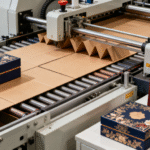
The disaster usually begins in a very specific place—the secondary packaging zone, the corner of the warehouse where sealed products need to be boxed into retail-ready or shipping-ready outer cartons. It’s loud, it’s crowded, it smells like cardboard dust and plastic film, and the air always feels just a little heavier during peak season. Workers stand in front of long rows of partially folded boxes that collapse if touched the wrong way, shelves filled with dozens of different carton sizes, and piles of individually packed electronics that must be sorted into sets. This is where chaos hits first when demand spikes.
The pain is not theoretical—it’s painfully physical. Imagine a worker trying to fold 800 boxes before lunch. Their fingers are sore, their wrists burn, the cardboard edges scrape their skin, and no matter how fast they go, the line keeps falling behind. Boxes come out crooked. Corners crush. Some cartons stand tall; some flop like wet paper. And because electronics brands constantly introduce new SKUs—new cable lengths, new bundle packs, new retail designs—the outer box sizes change every few weeks. Every new box size feels like a fresh disaster. Workers stop, production slows, quality drops, orders pile up. The entire operation becomes a breathing, growing problem that expands until it feels uncontrollable.
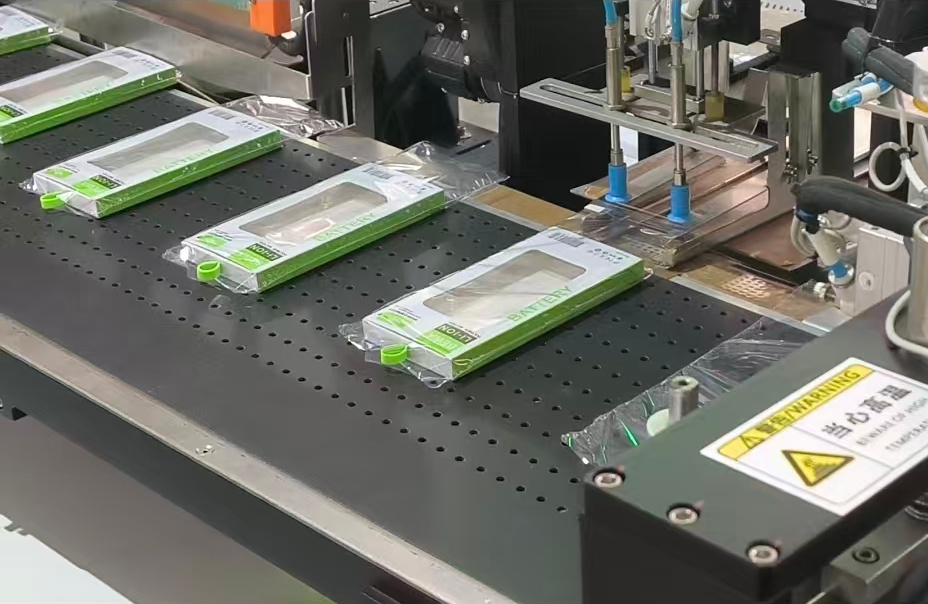
For e-commerce sellers, the pain looks even worse. A soft outer box means products shift during shipping. Customers complain. Returns skyrocket. For retail brands, one uneven carton can ruin shelf presentation, making the product look cheap even if the electronics inside are great. For factories handling huge volumes, the pain becomes a chain reaction: slow secondary packaging → delayed shipments → angry retailers → lost contracts.
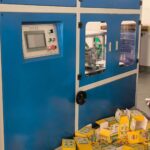
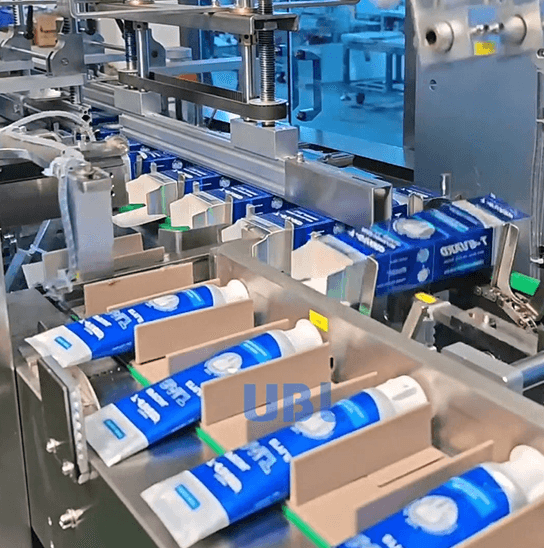
This is the moment where UBL quietly walks onto the stage—not as a hero with a cape, but as a smart, silent machine that replaces the most painful part of the line. When a UBL automated cartoning machine enters a secondary packaging area, the energy of the entire space changes. Instead of panicked hands folding boxes, the machine forms each carton with perfect edges, clean folds, and consistent dimensions. Workers no longer fight collapsing boxes. They no longer lose time switching between carton sizes. They no longer dread the moment marketing announces a “new packaging design.”
UBL’s system adapts quickly to new outer box sizes, letting factories switch SKUs without stopping the line. This flexibility is one of the biggest SEO-backed search points for UBL clients—“secondary packaging automation for electronics,” “flexible box-size changeover,” “retail-ready cartoning,” “outer box forming for gadgets.” These aren’t just nice words; they describe real industry problems that UBL solves every day.
The biggest reason electronics brands choose UBL is simple: the machine brings consistency back to a world where the details matter. Clean, crisp folds turn an ordinary gadget into a premium-looking product. Strong, firm cartons survive long shipping routes. Smooth loading prevents accessories from shifting. And workers suddenly feel less like they’re drowning in cardboard and more like they’re managing a calm, predictable workflow.
Factories often tell us that UBL doesn’t just add speed—it restores control. They finally keep up with demand. They finally deliver boxes that impress retailers. They finally reduce worker fatigue. They finally eliminate the “probably disaster” that secondary packaging used to be.
So now the question is yours: does your packaging line fall apart every time the outer box changes? Do your cartons look inconsistent? Does your team panic during busy weeks?
Tell me what electronics you package—cables, earbuds, chargers, accessories—and I’ll help you pick the exact UBL system that can turn your secondary packaging disaster into something stable, predictable, and even enjoyable.
Trending now