Machine Uptime vs Speed: Why Carton Folding Machine Uptime Determines Packaging Line Profitability
When evaluating a carton folding machine, many manufacturers are tempted by one headline specification: speed. Suppliers often promote impressive figures such as “100 cartons per minute,” creating the impression that higher speed automatically means higher productivity.
However, real production environments tell a different story. A carton folding machine with frequent breakdowns can severely disrupt packaging operations, leading to downtime, wasted labor, delayed shipments, and increased operational costs. In reality, machine uptime—not theoretical speed—is the metric that truly determines production capacity and profitability.
For packaging lines in industries such as e-commerce, cosmetics, and food manufacturing, understanding the relationship between machine uptime, reliability, and operational efficiency is critical for long-term success.
The Hidden Risk of High-Speed Carton Folding Machines
A high-speed carton folding machine may look impressive in marketing brochures, but performance on paper does not always translate to real-world reliability.
If a machine stops unexpectedly every hour, the impact goes far beyond a temporary pause in production. Each failure can trigger multiple operational problems:
- Maintenance teams must diagnose and repair the machine
- Operators remain idle during downtime
- Production schedules fall behind
- Packaging materials may be wasted
- Overtime may be required to meet delivery deadlines
Over time, these disruptions quietly erode the profitability of the entire packaging line. What initially appeared to be a “high-performance” machine can quickly become a major operational bottleneck.
This is why experienced manufacturers evaluate carton folding machine uptime and stability rather than focusing solely on speed specifications.
Why Production Managers Prioritize Machine Uptime
For production managers, uptime equals capacity, and capacity directly impacts revenue. The more consistently a carton folding machine runs without interruption, the more cartons can be processed within a shift.
Instead of focusing on peak speed, operations leaders track two critical reliability indicators.
Key Metrics That Define Real Packaging Productivity
MTBF – Mean Time Between Failures
MTBF measures the average operating time before a machine experiences a failure.
A carton folding machine with high MTBF can run for long periods without interruption, allowing packaging lines to maintain stable output and predictable production schedules.
MTTR – Mean Time to Repair
MTTR represents the average time required to repair the machine and restore operation after a breakdown.
Lower MTTR means maintenance teams can quickly return the carton folding machine to full production, minimizing downtime and protecting output capacity.
The Real Productivity Equation
Consider this comparison:
- Machine A: 50 cartons/min with high MTBF and low MTTR
- Machine B: 70 cartons/min but frequent breakdowns
In many real production scenarios, Machine A will outperform Machine B because it spends more time actually running.
Ultimately, consistent uptime produces more finished cartons than unstable high-speed equipment.
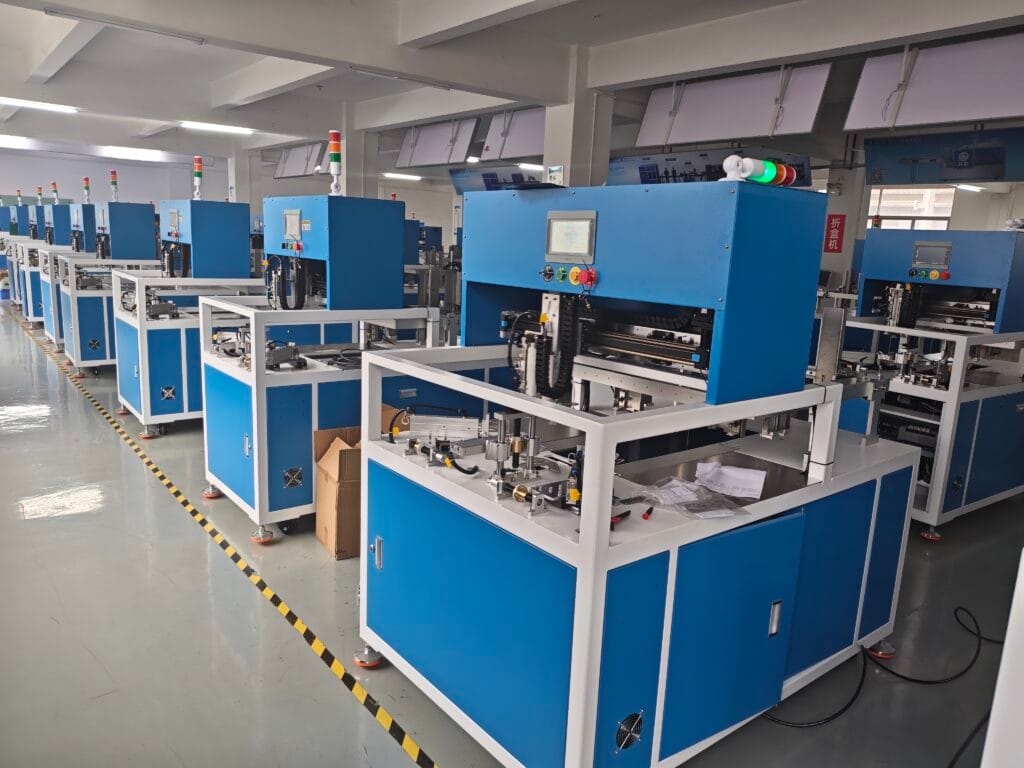
Engineering Features That Improve Carton Folding Machine Uptime
Reliable carton folding machines are not built on marketing claims—they are engineered for durability and operational stability.
Several design choices significantly influence uptime and long-term machine reliability.
Industrial Servo Motor Systems
High-quality servo motors ensure precise folding and locking movements. These motors maintain consistent performance over long production cycles, reducing mechanical errors and alignment issues.
Advanced PLC Control Systems
Using industry-proven PLC platforms such as Siemens or Mitsubishi enables fast, synchronized machine operations. Reliable control systems prevent operational glitches and maintain smooth production flow.
Heavy-Duty Machine Frame
A reinforced machine base minimizes vibration during high-speed operation. Reduced vibration protects structural components and prevents long-term mechanical fatigue.
Vibration-Damping Transmission Components
Well-designed transmission systems reduce stress on bearings, shafts, and drive mechanisms, helping the carton folding machine maintain stable performance over extended production periods.
Modular Machine Design
Modular architecture allows operators to replace faulty components quickly. This dramatically reduces repair time and helps lower MTTR, keeping the packaging line running.
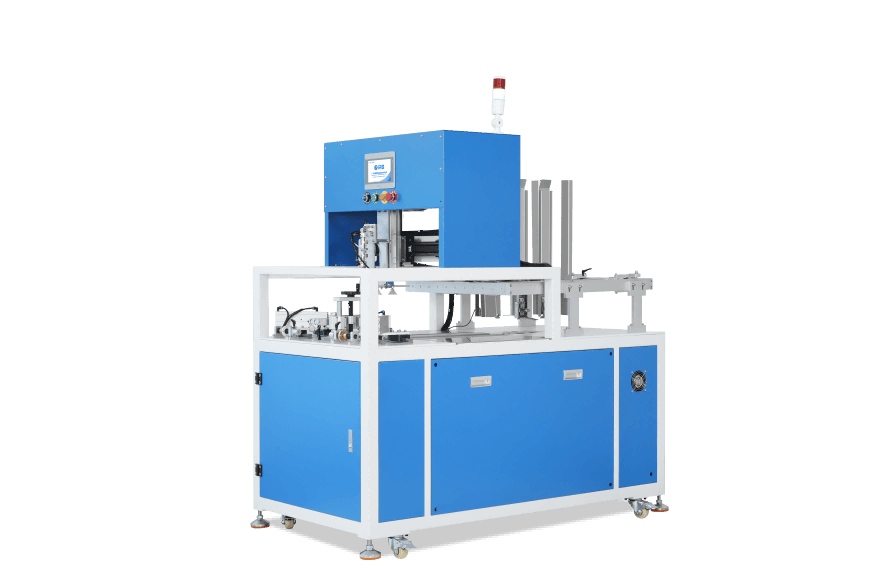
Speed Is Marketing—Uptime Drives Profit
Speed specifications may look impressive, but reliability determines real productivity. A packaging line that operates continuously will always outperform one that frequently stops for repairs.
When selecting a carton folding machine, manufacturers should prioritize these factors in order:
- Machine Uptime and Operational Stability
- Verified MTBF and MTTR Data
- Maximum Operating Speed
A slightly slower machine with dependable uptime will consistently produce more cartons than a faster machine plagued by downtime.
Conclusion
In modern packaging operations, carton folding machine uptime is the most important performance indicator. Reliable machines ensure stable production capacity, predictable delivery schedules, and higher operational profitability.
Speed may attract attention, but consistent uptime keeps packaging lines running and revenue flowing.
For production managers and factory owners, investing in a high-reliability carton folding machine is not just a technical decision—it is a strategic investment in long-term productivity and business growth.