Horizontal vs Vertical Cartoning Machines: Key Differences & Selection Guide
Choosing the right cartoning machine is a strategic decision that directly impacts packaging efficiency, product protection, and overall operational costs. Whether you’re investing in a high-speed cartoning machine, automatic carton filling machine, or multi-pack cartoning system, understanding the differences between horizontal and vertical cartoning machines will help you avoid production bottlenecks and maximize return on investment (ROI). This guide explores key applications, advantages, considerations, and core differences to help manufacturers select the optimal cartoning machine for their unique production needs.
What is a Horizontal Cartoning Machine?
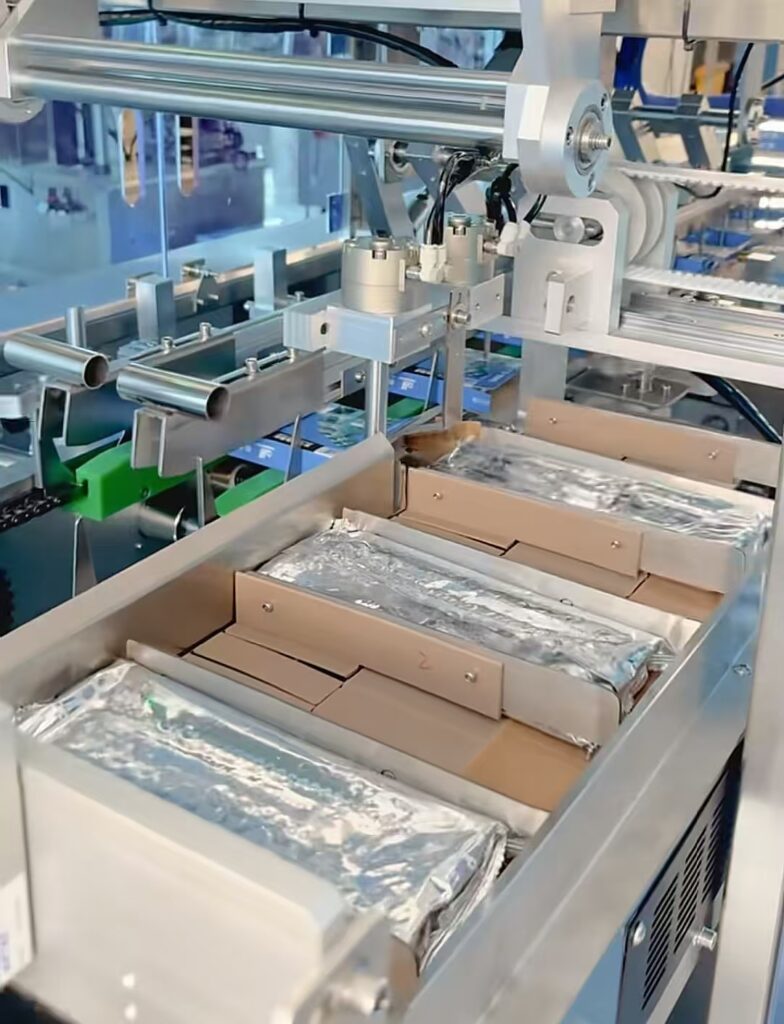
A horizontal cartoning machine loads products into cartons from the side while keeping the products in a horizontal position throughout the entire process. This design is engineered for precise operation, consistent folding accuracy, and continuous high-speed running, making it a staple in industries where packaging quality and speed are non-negotiable.
Best Applications
- Blister packs and sachets
- Food products, including biscuits, candies, and snacks
- Cosmetic hoses and personal care items
- Flat, flexible, or fragile products (e.g., tissue packs, small electronics)
- Multi-pack or stacked goods (e.g., multiple sachets in one carton)
Key Advantages
- Gentle handling of fragile items: Minimizes product damage during packaging, ideal for fragile carton packaging of delicate goods.
- High-speed continuous operation: Delivers consistent throughput for large-volume production lines, reducing downtime.
- Seamless integration: Works with leaflet insertion, coding, and inspection systems to streamline the entire packaging process.
- Supports complex carton designs: Enables high-end packaging with intricate folds, tamper-evident features, or custom shapes.
Horizontal cartoning machines are widely used in the pharmaceutical, food, cosmetic, and consumer goods industries—where stable speed and packaging quality are critical to meeting market demands and regulatory requirements.
What is a Vertical Cartoning Machine?
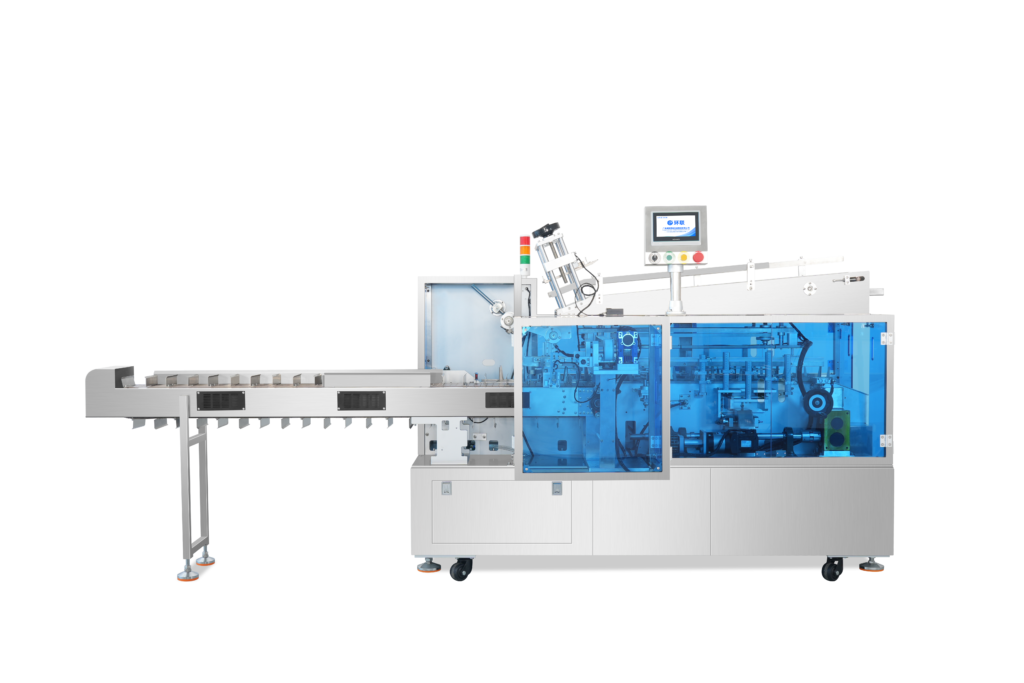
A vertical cartoning machine loads products from the top, using gravity to guide products into the carton. This configuration is particularly suited for products with good stability or free-flowing properties, as gravity simplifies the loading process and reduces mechanical complexity.
Best Applications
- Bottles, jars, and cans (e.g., beverages, sauces, cosmetics)
- Powders, granules, and bulk foods (e.g., cereal, coffee, sugar)
- Hardware or solid components (e.g., screws, small tools)
- Irregularly shaped or non-oriented products that can be easily guided by gravity
Key Advantages
- Efficient handling of rigid or bulk items: Gravity-assisted loading reduces mechanical stress on products and machinery.
- Simple product feeding and quick size changeovers: Minimizes downtime when switching between different product sizes or carton formats.
- Compact footprint: Requires less floor space, making it ideal for production areas with limited space.
- Cost-effective solution for medium-speed lines: Offers reliable performance without the high upfront cost of high-speed horizontal machines.
Vertical cartoning machines are commonly found in food processing, household goods, and industrial packaging environments—where efficiency, space savings, and cost-effectiveness are top priorities.
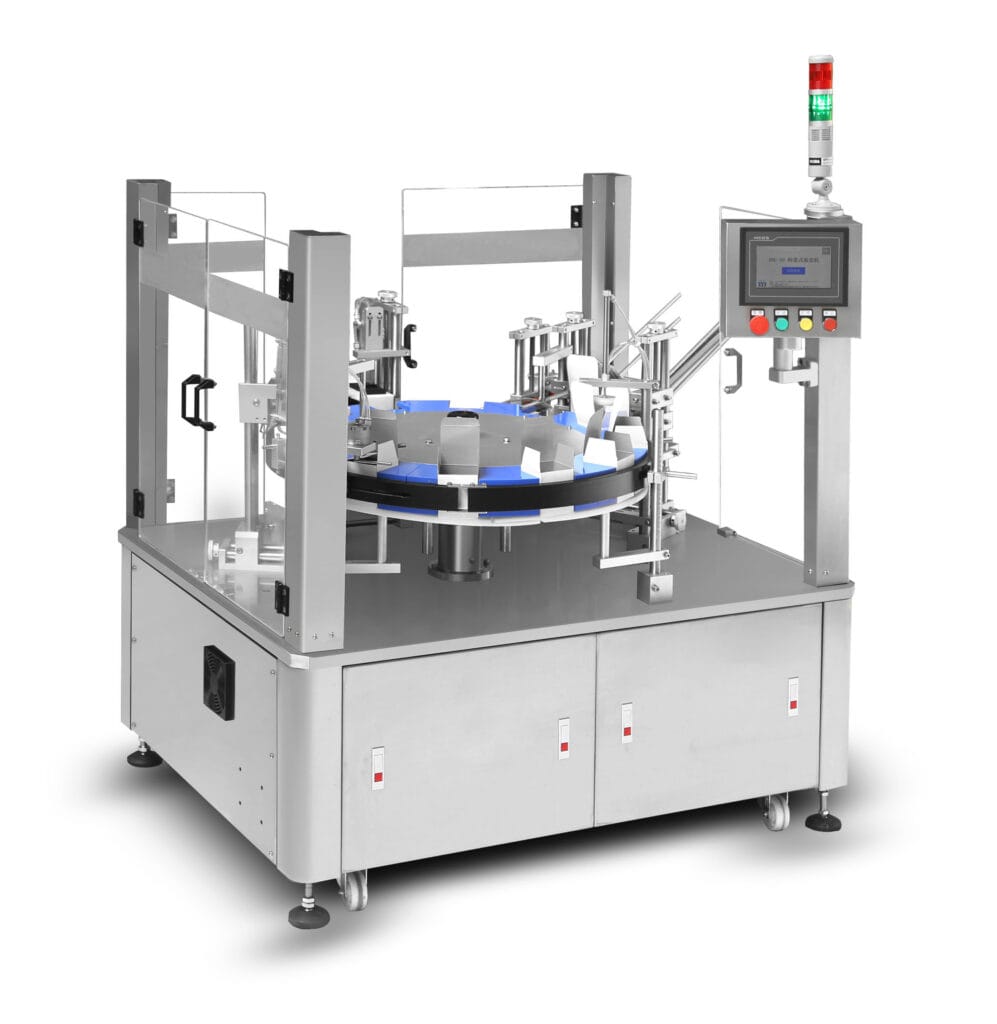
Horizontal vs Vertical Cartoning Machines: Core Differences
| Feature | Horizontal Cartoning Machine | Vertical Cartoning Machine |
|---|---|---|
| Product Loading Method | Horizontal (side-loading) | Top-loading (gravity-assisted) |
| Speed Capability | High-speed, continuous operation (ideal for large-volume production) | Medium to high speed (suited for moderate-volume lines) |
| Product Type | Flat, flexible, fragile, or stacked products | Rigid, bulky, or free-flowing products |
| Automation Integration | Excellent (seamlessly integrates with leaflet inserters, coders, and inspection systems) | Good (compatible with basic automation, ideal for simple packaging workflows) |
| Changeover Complexity | Moderate (may require adjustments for complex carton designs or product sizes) | Simple (quick adjustments for product/carton size changes) |
| Footprint | Larger (requires more floor space for horizontal feeding and processing) | Compact (space-saving design, ideal for small production areas) |
How to Choose the Right Cartoning Machine
Selecting the optimal cartoning machine depends on your product characteristics, production goals, and operational constraints. Use these key factors to guide your decision:
1. Product Stability and Shape
Fragile, flexible, or irregularly shaped products perform best on horizontal cartoning machines, as their gentle handling minimizes damage. Stable, rigid, or free-flowing products are perfectly suited for vertical cartoning machines, where gravity simplifies loading.
2. Production Speed Requirements
High-volume production lines with strict output targets typically require horizontal cartoning machines, which deliver continuous high-speed operation. For medium-volume lines or facilities with space constraints, vertical cartoning machines offer a cost-effective, efficient alternative.
3. Carton Design and Features
Complex carton designs—such as those with leaflets, tamper-evident seals, or custom folds—are easier to achieve with horizontal cartoning machines. Vertical machines are better suited for simple, standard carton designs.
4. Future Expansion Plans
Horizontal cartoning machines offer greater flexibility for future expansion, allowing you to increase production speed, add automation features (e.g., multi-pack capabilities), or adapt to new product lines. Vertical machines are more limited in scalability but are ideal for stable, long-term production of a single product or product type.
5. Material Handling and Integration
Consider how the machine will integrate with your existing production line. Horizontal cartoning machines excel at integrating with upstream and downstream equipment (e.g., blister packers, case packers), making them ideal for e-commerce, food, and cosmetic lines. Vertical machines are simpler to integrate into small or existing lines with limited space.
Ready to Choose Your Cartoning Machine?
Our team of packaging experts can evaluate your product specifications, production goals, and equipment constraints to recommend the ideal solution—whether it’s a horizontal, vertical, or custom-configured cartoning machine. Contact us today to schedule a free consultation, request a machine demonstration, or get a tailored quote for your cartoning equipment investment.