The Secret of Rapid Output Growth in the Food Industry – Automated Packaging
If you’ve ever toured a high-performing food factory, one thing becomes obvious very quickly:
their production output is astonishingly high.
It’s not just because they have good recipes, strong sales teams, or loyal customers.
The real reason sits quietly at the end of the line.
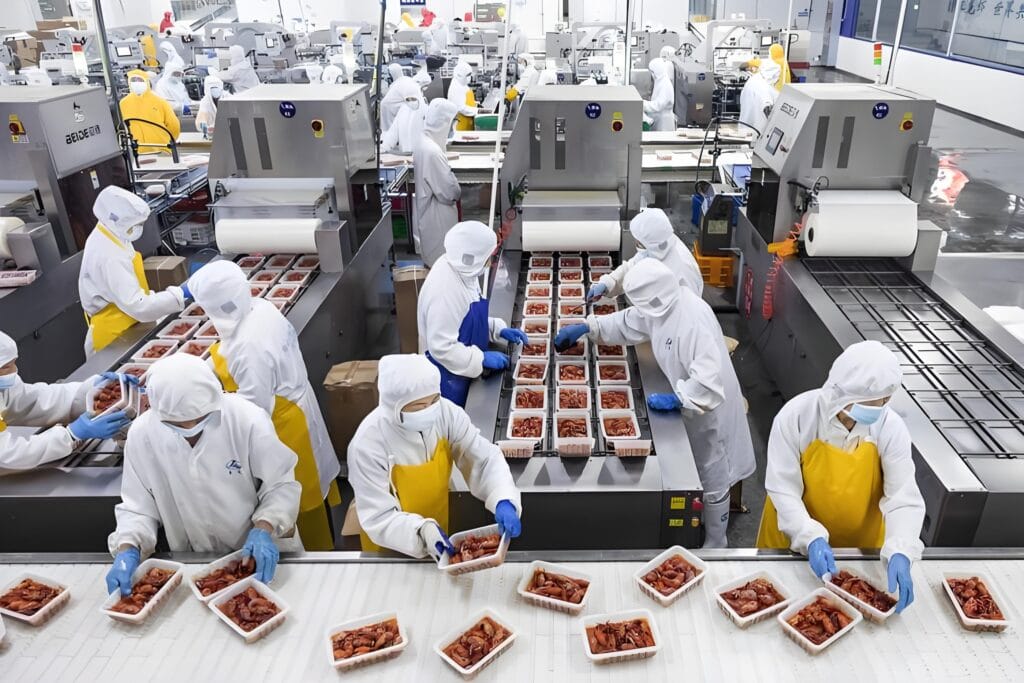
In today’s food industry, production speed is no longer the main competitive advantage. Packaging efficiency is. Food manufacturers with stable, high-volume orders—especially during peak seasons—almost always rely on packaging automation to keep their promises to customers.
Why Food Factories Can Maintain Such High and Stable Output
A well-run food factory rarely depends on fluctuating labor at the packaging stage. Instead, they design their operations around end-to-end automation, from production to final packed product.
Here’s why this matters so much in food manufacturing:
- Orders are continuous and predictable
- Peak seasons create sudden volume spikes
- Packaging consistency directly affects brand trust and shelf appeal
- Labor-intensive packaging becomes a bottleneck fast
That’s why even small and mid-sized food factories are no longer relying on fully manual packaging. Many adopt a semi-automated + human-assisted strategy, which balances flexibility and efficiency without massive upfront investment.
In short, food factories that grow fast do one thing early:
They remove packaging from the list of problems.
Why Packaging Automation Matters More Than Production Capacity
Most food manufacturers don’t lose orders because they can’t produce food.
They lose orders because they can’t pack fast enough.
Manual packaging creates several hidden risks:
- Output depends on worker speed and experience
- Fatigue leads to inconsistent box quality
- Scaling requires hiring, training, and overtime
- Peak seasons amplify every inefficiency
Automated packaging removes these variables.
With Automated Packaging, speed becomes predictable, quality becomes repeatable, and scaling becomes a technical decision—not a labor gamble.
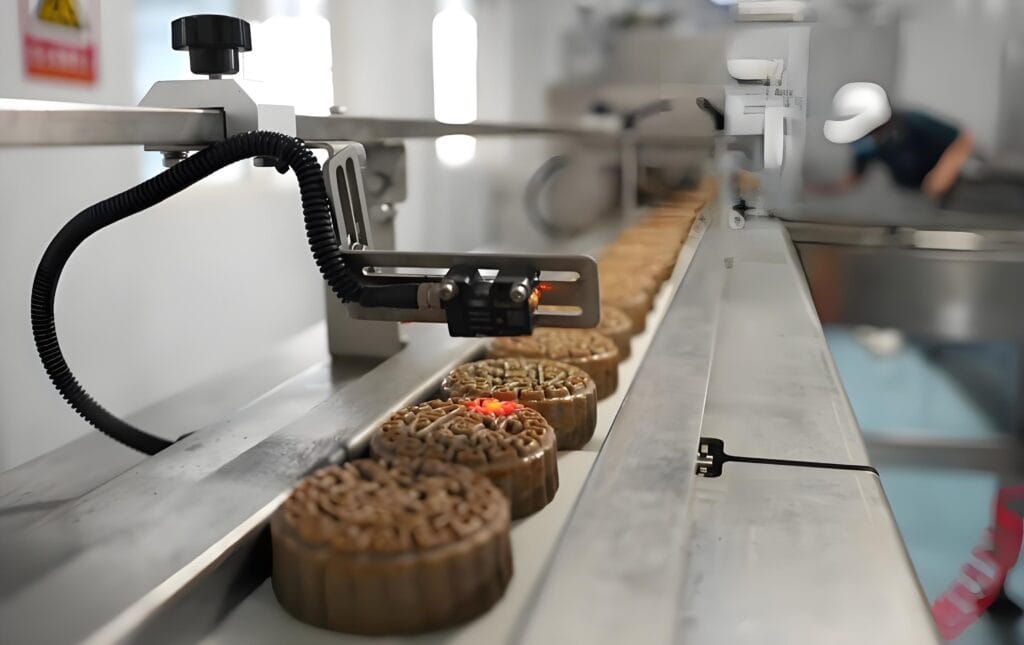
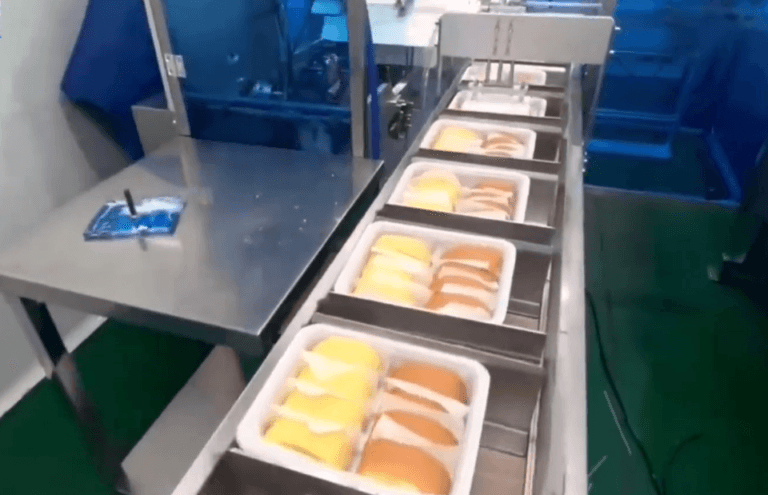
Case Study: Cake Packaging Automation That Changed Everything
Let’s look at a real-world example from the bakery sector.
The Challenge
A cake manufacturer built a strong reputation for taste and craftsmanship. Local cake shops and distributors placed steady, high-volume orders. Demand kept rising—but production couldn’t keep up.
The problem wasn’t baking.
It was packaging.
- Too many workers crowded the line
- Manual boxing slowed everything down
- Overtime increased, but output didn’t scale proportionally
- Management pressure grew during peak order periods
Watching dozens of workers rush around the packaging area every day, the owner made a strategic decision:
It was time for packaging automation.
The Automated Packaging Solution
The manufacturer partnered with UBL, a source manufacturer specializing in automated packaging systems.
After evaluating production needs, the solution included:
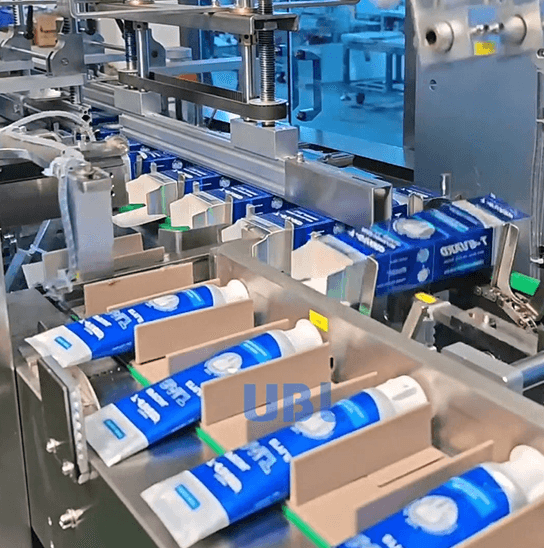
- 2 × HL-ZC-G1 Servo Tuck End Box Cartoning Machines
- 1 Bagging Machine
- 1 Heat Shrink Machine
The new workflow looked like this:
- Manual feeding at the front end (simple, flexible)
- Machines handle:
- Carton opening
- Product loading
- Box closing
- Bagging
- Heat shrinking
- Manual palletizing at the end
This created a smooth, linear, high-speed packaging line with minimal manual intervention.
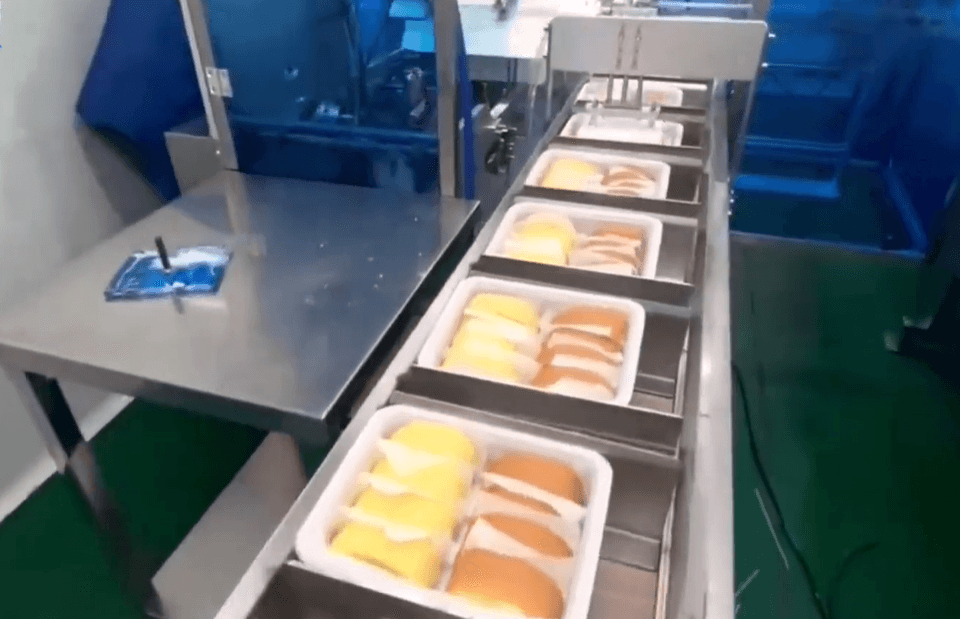
The Results Speak for Themselves
The impact of Automated Packaging was immediate and measurable:
| Metric | Before Automation | After Automation |
|---|---|---|
| Packaging Workers | 30 | 10 |
| Labor Reduction | — | 20 workers replaced |
| Packaging Speed | Unstable | Consistent & high-speed |
| Order Capacity | Limited | +40% increase |
| ROI Timeline | — | < 1 year |
| Packaging Quality | Inconsistent | Standardized & clean |
Two cartoning machines, one bagging machine, and one heat shrink machine replaced the workload of 20 people—without fatigue, without inconsistency, and without overtime.
As a result:
- Orders were fulfilled faster
- Peak-season stress disappeared
- The company scaled with confidence
- Automation investment paid for itself in under one year
This is the quiet power of Automated Packaging.
More case videos available, click here
Why Automated Packaging Works So Well for Food Products
Food products—especially baked goods, snacks, and packaged items—are ideal for automation because they usually have:
- Standardized shapes and sizes
- Repeatable packaging formats
- High volume and stable demand
- Strict appearance requirements
Automated packaging systems excel in exactly these conditions.
Key advantages include:
1. Predictable Output
Machines don’t slow down, call in sick, or lose efficiency during long shifts.
2. Lower Long-Term Costs
While automation requires upfront investment, labor savings and efficiency gains quickly outweigh initial costs.
3. Consistent Packaging Quality
Every carton is square, sealed, and presentable—protecting brand image.
4. Easier Scaling
Adding capacity becomes a matter of adding machines, not rebuilding teams.
Semi-Automated Is Often the Smartest First Step
Not every factory needs full automation from day one.
Many successful food manufacturers start with:
- Manual feeding
- Automated cartoning, bagging, and sealing
- Manual palletizing
This hybrid approach delivers most of the benefits of automation while keeping systems flexible and costs controlled.
The Real Secret Behind Food Industry Output Growth
The truth is simple:
Food factories don’t grow faster because they work harder.
They grow faster because their packaging works smarter.
Automated Packaging removes the final bottleneck between production and delivery. Once that bottleneck disappears, growth becomes sustainable instead of stressful.
Ready to Upgrade Your Food Packaging Line?
If your food factory is struggling with labor-heavy packaging, unstable output, or peak-season pressure, it may be time to rethink your strategy.
Contact UBL today.
We’ll respond within 24 hours, evaluate your packaging needs, and have our engineers design an Automated Packaging solution tailored to your production line—so you can scale faster, ship on time, and grow with confidence.
Trending now