Why Small Apparel Shops Are Turning to the SA-51A
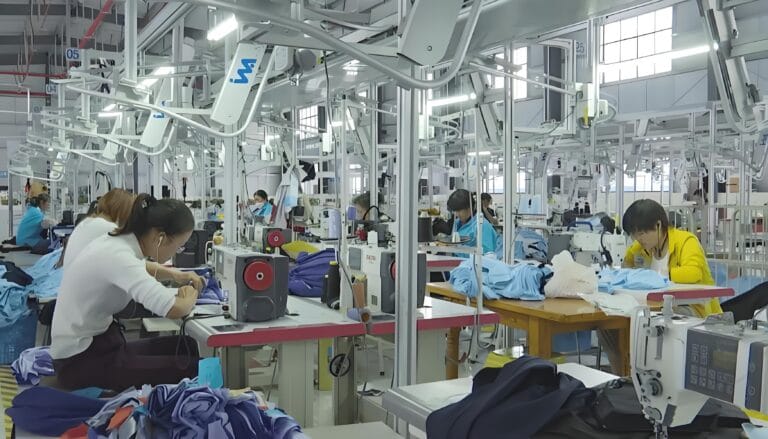
Walk into almost any small garment printing shop, and you’ll notice something right away.
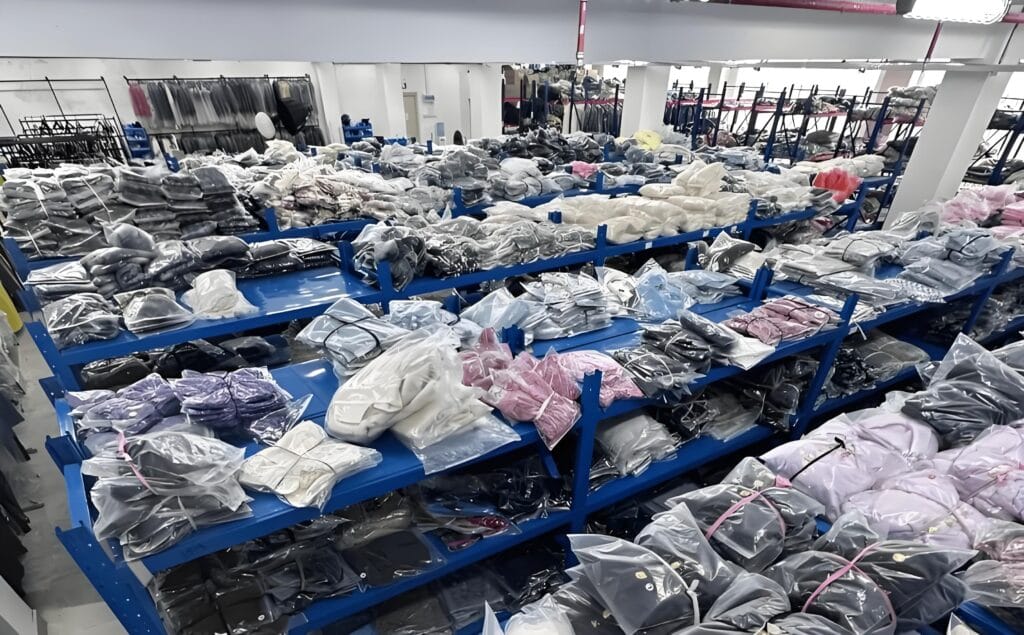
A long table. A few workers. Stacks of t-shirts.
And the same repetitive motion — fold, align, stack — repeated hundreds of times a day.
It’s a familiar setup. It’s also one of the least efficient parts of the entire operation.
For years, many small business owners have accepted manual folding as “good enough.” It feels simple, low-cost, and easy to manage. But when you look closer, the real cost of that decision is much higher than it appears on the surface.
The Real Cost of Folding by Hand
At first glance, manual folding seems inexpensive.
Two workers at around $18 per hour don’t look like a major expense. But over time, those numbers add up quickly — especially when folding becomes a full-time role rather than a supporting task.
For a shop producing around 500 garments per day, labor alone can approach $150,000 per year.
But labor is only part of the picture.
Inconsistent Results Over Time
No matter how skilled the worker is, consistency drops over long shifts.
Early in the day, folds are clean and uniform.
Later on, fatigue sets in — edges drift, alignment slips, and presentation becomes less reliable.
For businesses supplying retail clients or branded merchandise, this inconsistency directly affects perceived quality.
Hygiene and Handling Risks
This is something many small shops overlook.
Every time a garment is handled, there’s potential for contamination — oils from skin, moisture, or environmental exposure.
In industries like hospitality or healthcare textiles, this can become a serious issue. Even minor contamination problems can lead to rejected shipments or, in extreme cases, recalls.
Physical Strain on Workers
Folding garments all day isn’t as simple as it looks.
The repeated wrist, shoulder, and back movements can lead to:
- Carpal tunnel syndrome
- Tendon strain
- Chronic fatigue
Over time, this increases the risk of injury claims, absenteeism, and employee turnover.
Production Bottlenecks
Manual folding also sets a hard limit on output.
Even experienced workers typically manage 80–100 pieces per hour under steady conditions.
That’s manageable — until order volume increases.
When rush orders come in, folding often becomes the slowest step in the process, delaying shipments and putting pressure on the entire production line.
Why Full Automation Isn’t the Answer for Everyone
If manual folding has so many drawbacks, why don’t small shops just automate everything?
In reality, full automation comes with its own challenges.
Large folding systems are designed for high-volume factories. They’re fast — often capable of thousands of pieces per hour — but they also come with:
- High upfront cost (often $40,000–$80,000+)
- Large space requirements
- More complex setup and maintenance
- Less flexibility for small or mixed orders
For many small businesses, that level of investment simply doesn’t make sense.
They don’t need that much capacity — and they don’t want the risk that comes with it.
The Middle Ground: SA-51A Single Station Folding Machine
This is where the SA-51A Single Station Clothes Folding Machine comes in.
It’s designed specifically for operations that are too large for manual folding — but not large enough for full automation.
Instead of replacing the operator entirely, the SA-51A uses a semi-automatic approach:
- The operator places the garment
- The machine completes the folding process
This combination keeps the system simple and flexible, while eliminating the most inefficient parts of manual work.
What the SA-51A Delivers in Daily Use
Higher Output with Less Labor
The SA-51A handles approximately 200–250 pieces per hour, depending on operator pace.
That means one operator with the machine can match — or exceed — the output of two manual workers.
Consistent Folding Quality
Once the folding parameters are set, every garment is processed the same way.
There’s no variation between the first piece and the last.
For businesses focused on branding and presentation, this level of consistency makes a noticeable difference.
Compact and Easy to Fit
Unlike large automated lines, the SA-51A is compact:
1160mm × 880mm footprint
It fits into existing workspaces without requiring layout changes or additional conveyor systems.
Low Operating Cost
With a power consumption of just 0.2 kW, the machine uses very little electricity.
Air requirements are also minimal and compatible with standard workshop compressors.
Flexible for Different Garments
The machine supports a wide range of sizes:
- Length: 400–950mm
- Width: 320–850mm
This covers most apparel categories, from smaller garments to larger adult sizes.
Quick Changeovers
Switching between garment types takes only a few minutes.
For shops handling custom orders or small batches, this flexibility is essential.
Key Advantages for Small Apparel Businesses
The SA-51A isn’t about maximizing speed at all costs.
It’s about solving practical problems.
Better presentation
Consistent folding improves how products look when delivered to customers.
Reduced handling
Less contact with garments lowers contamination risk.
Improved working conditions
Operators avoid repetitive strain from manual folding.
Stable production speed
Output remains consistent throughout the day, regardless of fatigue.
ROI: What the Numbers Look Like
For a typical small shop:
Before automation
- 2 workers folding
- ~$150,000 annual labor
- ~5% defect or rework rate
With SA-51A
- 1 operator
- ~50% labor reduction
- defect rate reduced to ~1%
Even after factoring in machine cost, many businesses see:
👉 payback within 4–6 months
After that, the savings continue year after year.
A Practical Step Toward Automation
For many small apparel businesses, the challenge isn’t deciding whether to improve efficiency — it’s finding a solution that actually fits their scale.
The SA-51A offers a practical entry point.
It doesn’t require a major capital investment.
It doesn’t demand a large production space.
And it doesn’t sacrifice flexibility.
What it does is simple:
👉 makes folding faster
👉 makes quality consistent
👉 reduces reliance on manual labor
Final Thoughts
If folding is still being done entirely by hand in your operation, it’s worth taking a closer look at what that’s really costing — not just in wages, but in quality, risk, and lost capacity.
The SA-51A isn’t a full automation system, and it doesn’t try to be.
It’s a focused solution to a very specific problem — and for many small apparel businesses, that’s exactly what’s needed.
Want to See It in Action?
UBL can provide video demonstrations using your actual garments and production scenarios.
If you’re evaluating ways to improve efficiency without overinvesting in large-scale automation, the SA-51A is worth considering.
Contact the UBL team to get a tailored ROI estimate based on your daily output and product mix.
Trending now