Calculating the ROI of Automated Bagging Equipment in Food Production Lines
Alyssa/October 16,2025
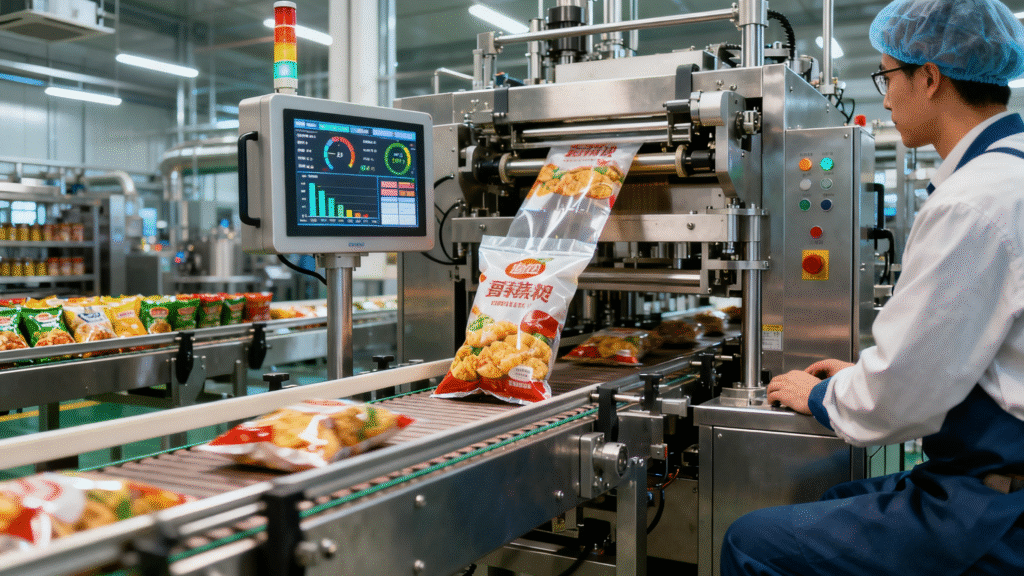
For food manufacturers grappling with rising labor costs and tight production schedules, automated bagging equipment is no longer a luxury but a strategic investment. Understanding its Return on Investment (ROI) is key to making data-driven decisions. Let’s break down the calculation using real-world data and highlight how Huanlian Packaging’s solutions accelerate payback.
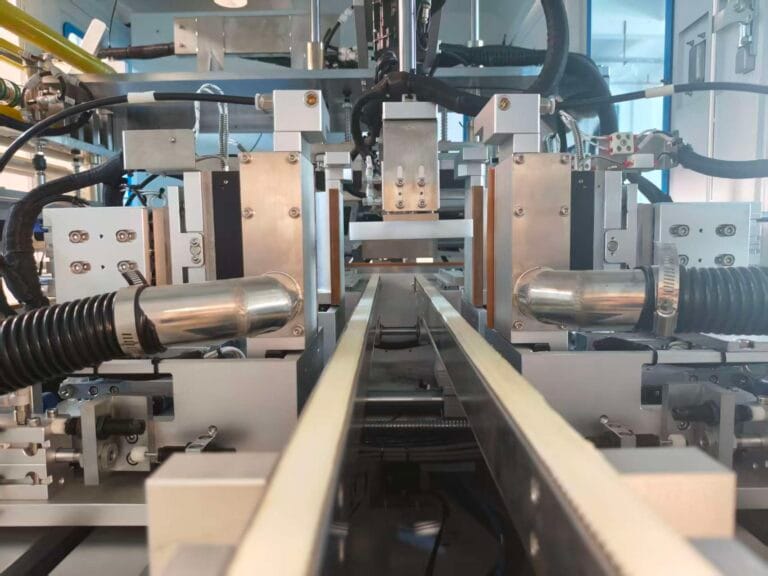
First, define core investment and savings metrics. A mid-sized food factory (producing snacks or pre-made meals) typically spends $8,000–$12,000 on a Huanlian automated bagging machine (e.g., YH-MA51K Organ Bag High-Speed Bagging Machine). Prior to automation, it may employ 2 workers for manual bagging, with an annual cost of $50,000 total (including wages and benefits).
Efficiency gains directly boost revenue. Huanlian’s equipment achieves 20–50 bags per minute, compared to 6–8 bags manually. For a factory operating 8 hours daily, this translates to 9,600–24,000 daily bags (vs. 3,840 manually), increasing capacity by 150–525%. This lets the factory fulfill more orders—for example, a 30% output rise could add $36,000 in annual revenue (based on $1 profit per bag, 120,000 extra bags yearly).
Cost savings further shorten ROI. Labor costs drop by $50,000 annually (replacing 2 workers with 0.5 for oversight). Material waste falls from 15% (manual) to 5% (via Huanlian’s precision cutting), saving $3,000 yearly on film (for $30,000 annual material spend). Reduced defects (from 8% to 1.2%) cut return-related losses by $7,000 yearly. Total annual savings: $60,000.
Calculate ROI: With a $10,000 machine cost, net annual benefit is $60,000 (savings) + $36,000 (revenue) = $96,000. ROI percentage = (Net Benefit / Investment) × 100 = 960%. Payback period = Investment / Annual Net Benefit ≈ 1.25 months. Even with maintenance ($2,000/year), payback stays under 2 months.
Huanlian’s advantages, like modular design (easy integration with existing lines) and energy efficiency, enhance long-term value. For food manufacturers, automated bagging equipment isn’t just an expense—it’s a high-return asset that boosts competitiveness.