When Packaging Errors Happen, Nobody Wants to Take Responsibility
Alyssa/ January 9, 2026 Return
In many food factories,
a packaging error does not end when the problem is found.
That’s when another problem starts.
Who packed it?
Which shift?
Which supervisor?
Which step failed?
And very often,
there is no clear answer.Get A Quote
Why Packaging Errors Turn Into Management Problems
In biscuit and snack factories,
manual cartoning is usually handled by teams.
Multiple workers.
Multiple shifts.
Multiple supervisors.
When something goes wrong,
the process becomes blurry.
Not because people don’t care —
but because the system makes accountability unclear.Get A Quote
Where Manual Cartoning Breaks Traceability
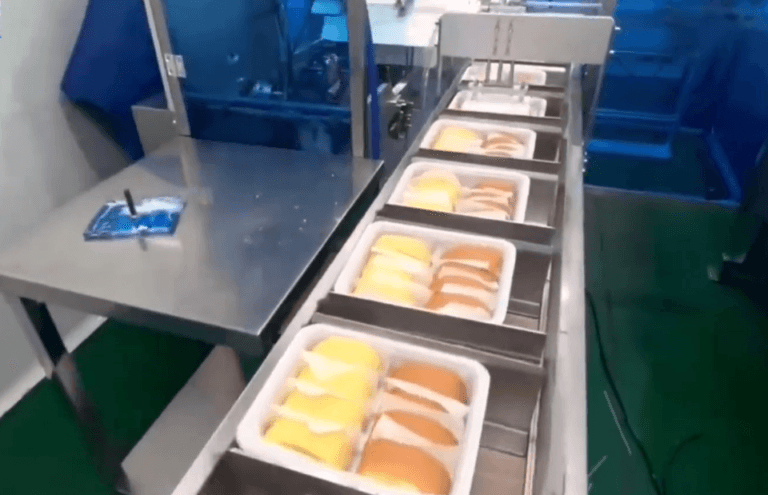
Manual cartoning happens during secondary packaging,
after individual packs are sealed.
At this stage:
- Products move fast
- Hands change frequently
- Records are minimal
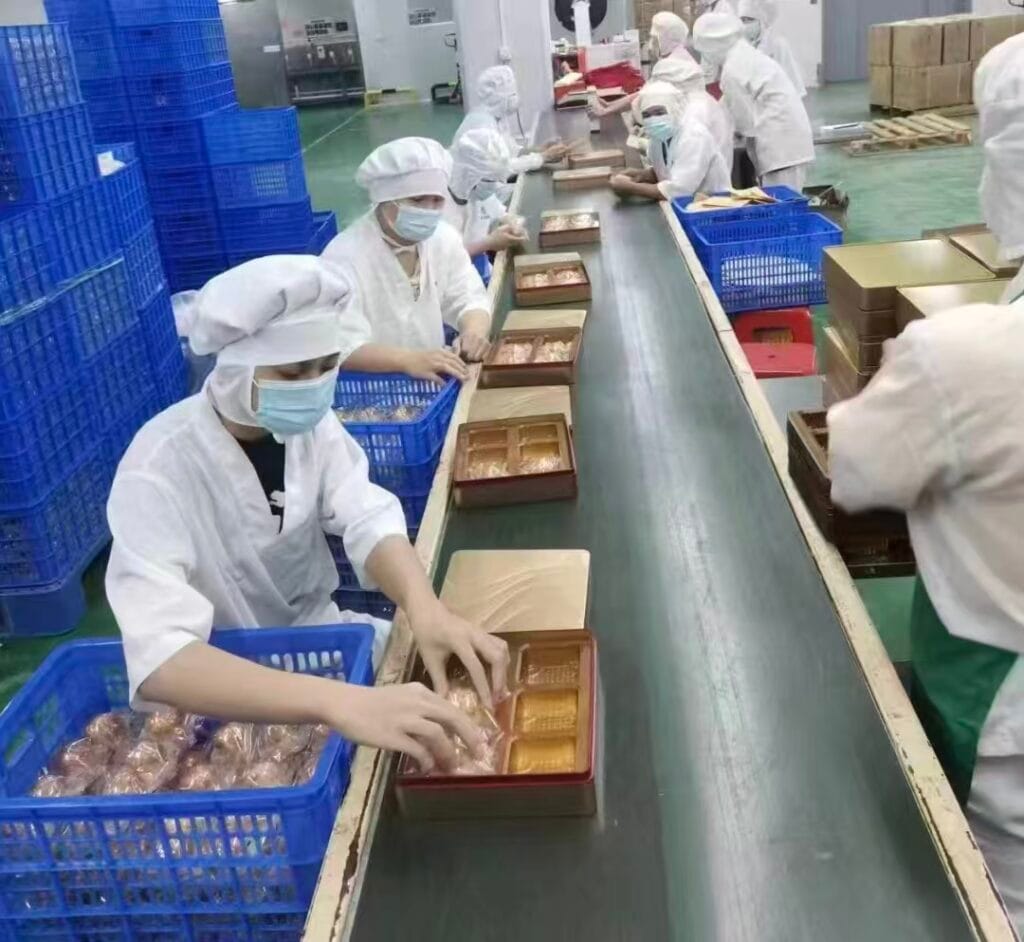
Responsibility is shared, but ownership is not
With manual cartoning:
- One person feeds products
- Another assembles cartons
- A third closes and stacks
When a wrong carton appears,
no single point of responsibility exists.Get A Quote
Investigations consume time and energy
After an error:
- Supervisors question operators
- QA checks records
- Managers reconstruct timelines
This process costs far more
than the carton itself.
And often,
the conclusion is still unclear.Get A Quote
Why This Hurts More Than Just One Order
Packaging errors create internal damage.
Team morale is affected
When blame is unclear:
- Workers feel unfairly targeted
- Supervisors feel defensive
- Trust between teams erodes
Problems repeat
because learning is incomplete.Get A Quote
Management attention is drained
Instead of focusing on:
- Efficiency
- Improvement
- Planning
Management spends time
putting out fires.
The factory becomes reactive.Get A Quote
Why Rules and Training Don’t Fix Accountability
Most factories try to solve this by:
- Adding procedures
- Strengthening discipline
- Repeating training
These actions increase pressure,
but they don’t change the structure.
Because the root issue remains:
manual cartoning does not create clear, traceable responsibility.
When errors happen,
the system cannot point to where or how.Get A Quote
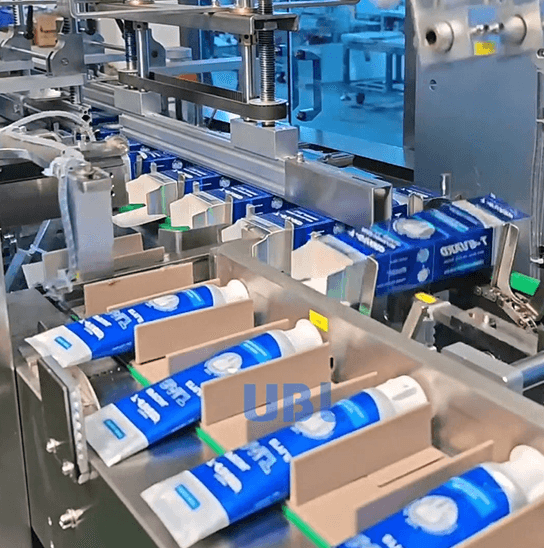
How a Cartoning Machine Changes the Accountability Structure
Here we are talking about secondary packaging—
cartoning after individual packs,
with no direct contact with food.
This is where process clarity can be built.Get A Quote
Packaging becomes process-driven, not people-driven
- Defined inputs
- Defined outputs
- Defined operating logic
When something goes wrong,
the investigation is shorter and clearer.Get A Quote
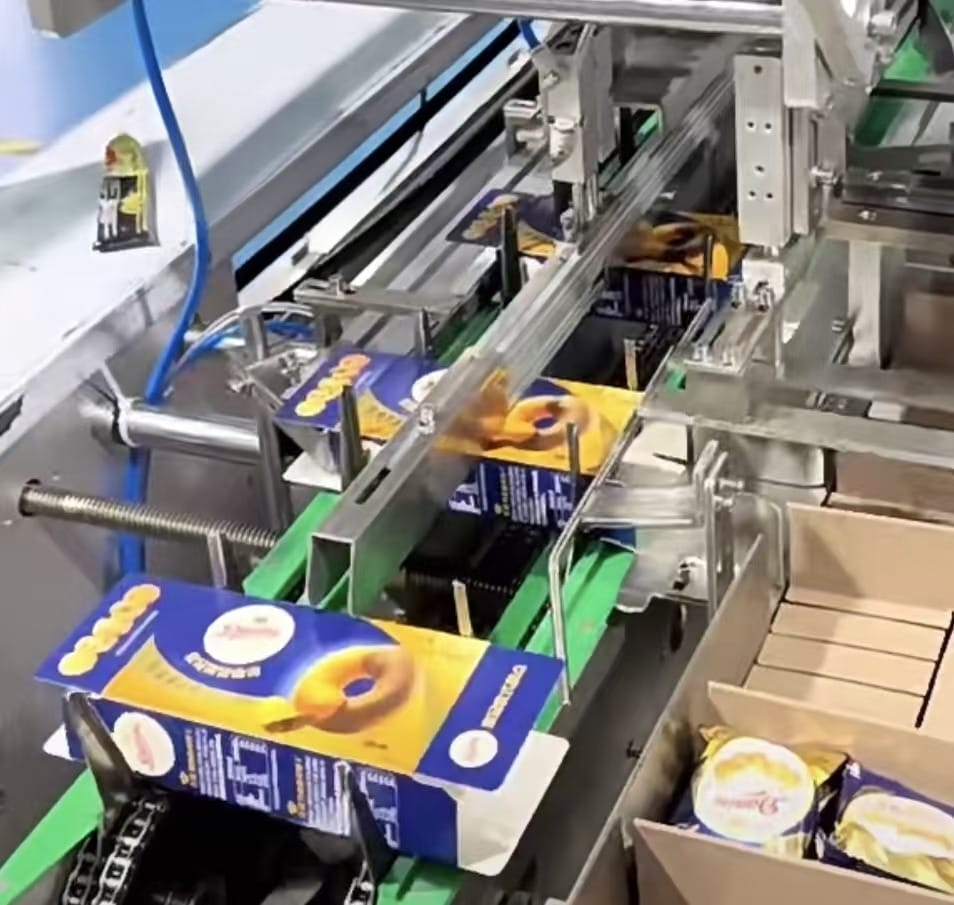
Fewer errors mean fewer investigations
- Less blame
- Less conflict
- Less internal friction
Management energy shifts
from firefighting to improvement.Get A Quote
Accountability becomes part of the system
Not “who was careful enough”,
but “which process needs adjustment”.
This is not about control.
It is about making responsibility visible.Get A Quote
A Question Worth Asking
When the last packaging error happened in your factory,
how long did it take to figure out what really went wrong?
And how much management time was spent
just to reach an unclear conclusion?
For many food factories,
reducing manual cartoning
is not just about fewer mistakes.
It is about making the factory easier to manage.Get A Quote
| Industry | Factory Type | Management Scenario | Main Pain Point | Solution Keyword |
|---|---|---|---|---|
| Food | Multi-shift Biscuit Factory | Error investigation & accountability | Unclear responsibility after wrong packing | Automatic Cartoning Machine |