Why Is High-End Product Packaging Rapidly Shifting Toward Automation Equipment?
In today’s premium market, “high-end” no longer refers only to the product itself. Whether it’s Bluetooth earbuds, 3C electronics, luxury skincare, perfumes, premium health supplements, or boutique spirits, the competitive edge of high-end goods extends far beyond functionality. It lives in brand perception, consumer trust, visual experience, and the emotional value delivered at first touch.
And that first touch is almost always the packaging.
For premium brands, packaging is not just protection. It is positioning. It is silent storytelling. It is the first moment of truth.
This is exactly why more and more high-end product manufacturers are shifting toward packaging automation equipment. This is not a coincidence. It is a strategic evolution. High-end positioning demands extreme consistency, structural precision, visual perfection, traceability, and scalable efficiency — and manual packaging simply cannot deliver that level of reliability.
So why is automation becoming the standard for high-end product packaging?
Let’s break it down into four core drivers.
Extreme Consistency: The Lifeline of Premium Brands
For high-end products, consistency is everything.
A single wrinkle on a folding carton. A slightly misaligned insert. Uneven glue marks. Minor structural deformation. These may seem trivial in mass-market goods, but in premium markets, they can instantly damage brand credibility.
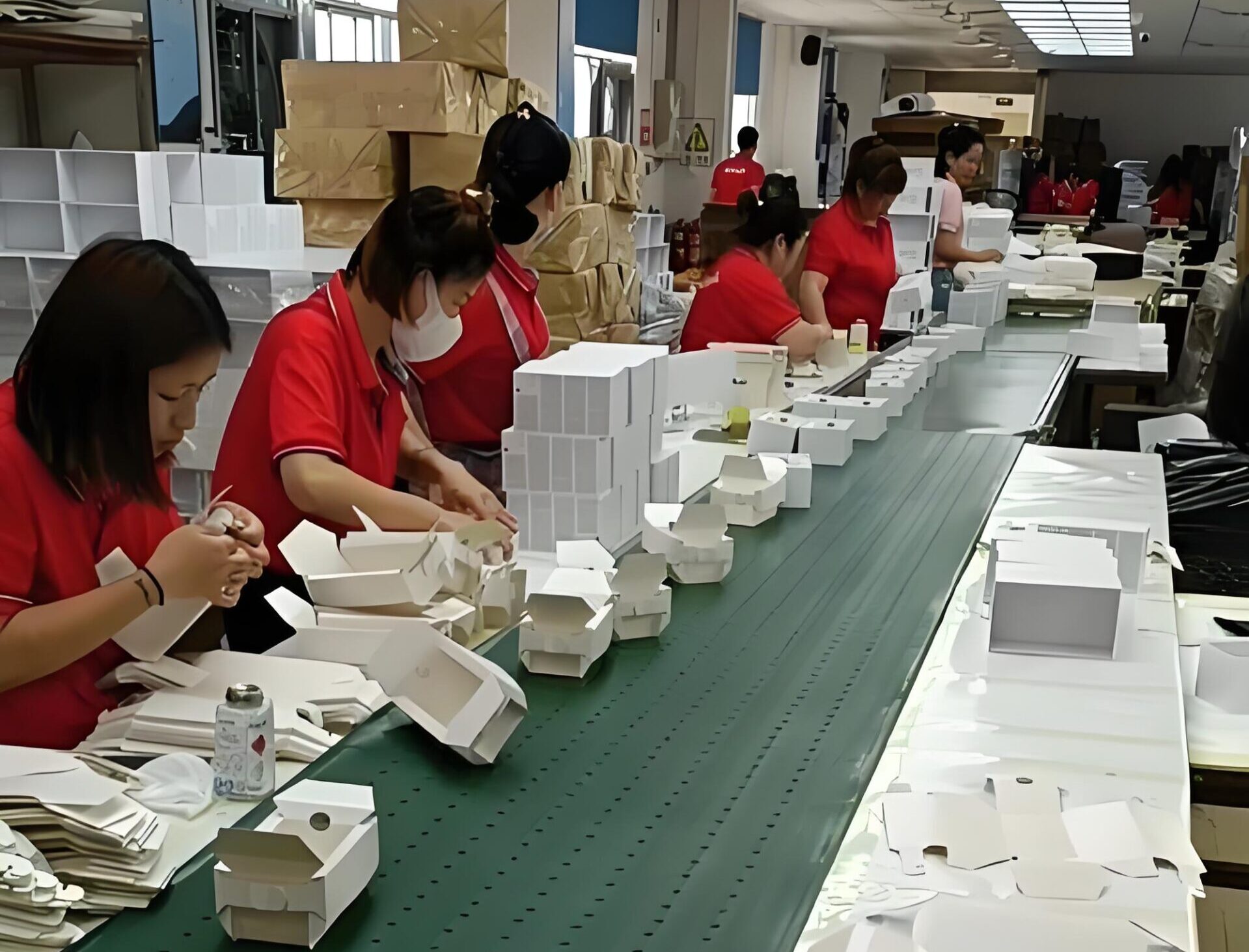
Manual packaging introduces unavoidable variability. Even skilled operators experience fatigue, distraction, or slight technique differences. Over thousands of units, those micro-variations become visible inconsistencies.
Automation equipment eliminates that uncertainty.
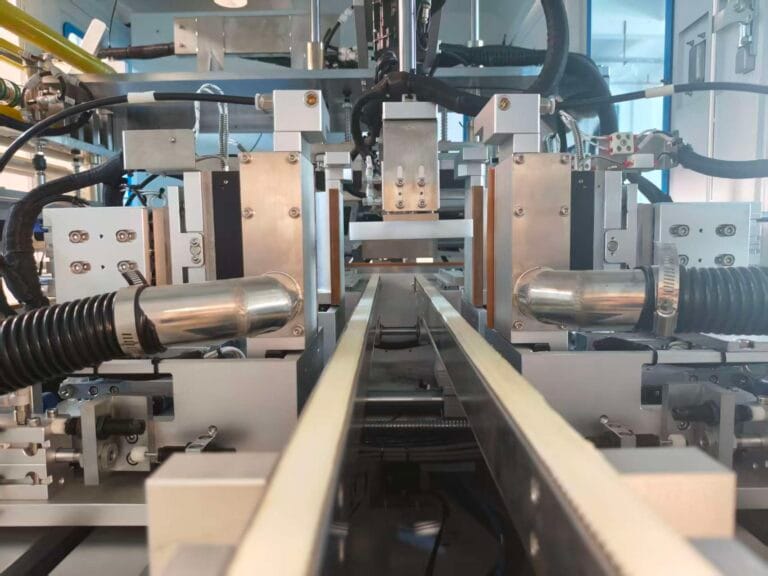
Modern automatic packaging systems use precision servo motors, programmable motion control, and customized tooling to ensure every fold, insertion, and sealing action is executed identically — every single time. The result is what premium brands truly need: repeatable perfection.
There is also the issue of material cost. High-end packaging materials — rigid boxes, specialty papers, foil stamping, embossing, magnetic closures — can account for a significant portion of total product cost. Manual mistakes lead to expensive material waste. Automated systems, once calibrated, dramatically reduce scrap rates and maximize finished product yield.
In categories like cosmetics and health supplements, automated lines also allow for closed, no-touch packaging environments, reducing contamination risks and strengthening consumer trust. For premium goods, cleanliness and safety are part of the brand promise.
Automation protects that promise.
Visual Brand Value: Turning Design into Reality
Luxury packaging design has become increasingly sophisticated.
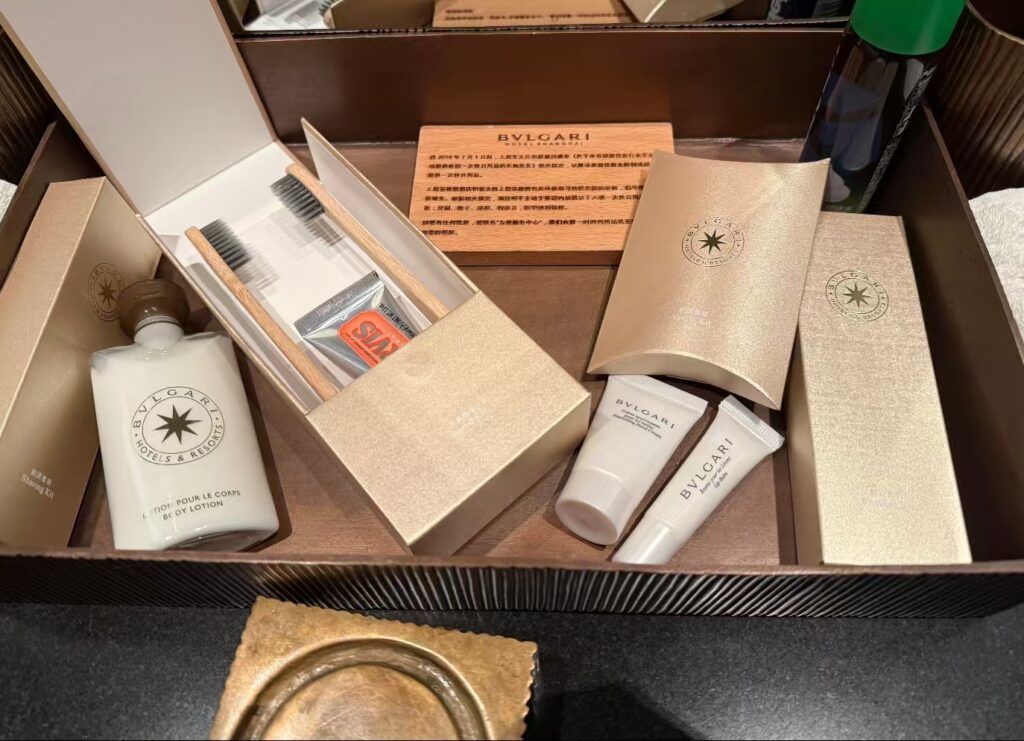
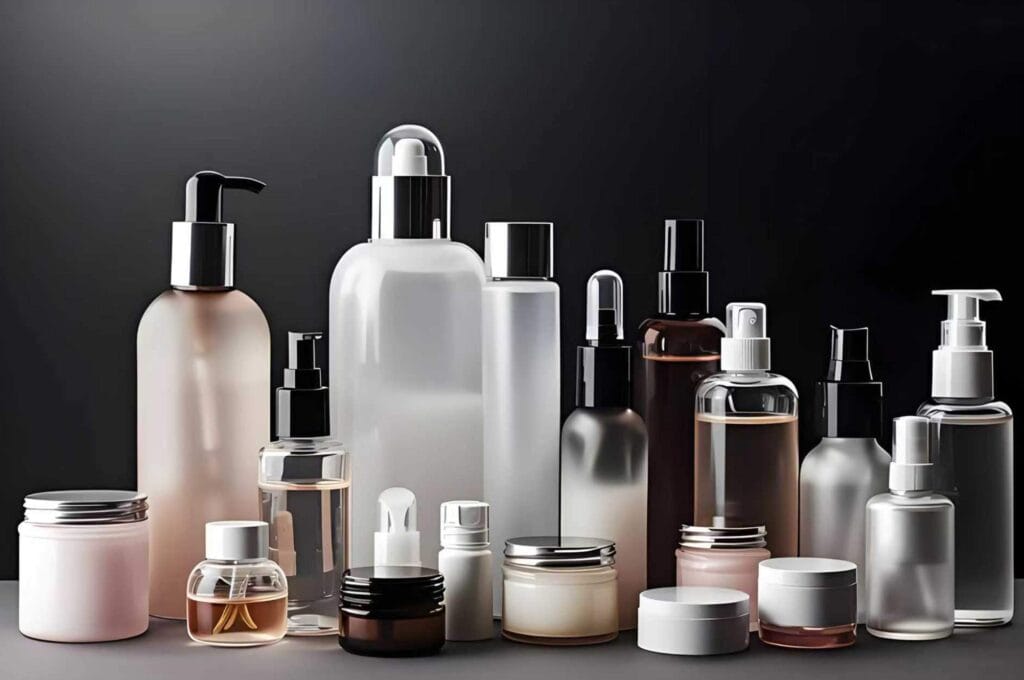
Today’s high-end packaging includes multi-layer structures, irregular box shapes, intricate inserts, gradient foil stamping, locking mechanisms, and precision-fit components. These designs are not just decorative — they create a tactile and visual experience that justifies premium pricing.
The problem? Many of these designs are extremely difficult to execute consistently by hand.
Manual folding may slightly distort structure. Glue application may be uneven. Complex insert placement can shift during transit. Small imperfections dilute the intended design impact.
Automation equipment enables design precision at scale.
With programmable control and synchronized motion systems, automatic packaging machines can execute complex structural movements with exact alignment and uniform pressure. Inserts are positioned accurately. Glue application is consistent. Folding angles are precise.
This ensures that the designer’s vision is not compromised during production.
Additionally, premium brands often distribute globally. Products must survive long-distance transportation, warehouse handling, and e-commerce delivery. Poor structural integrity increases the risk of deformation, returns, and brand damage.
Automated packaging ensures structural stability, reinforcing both the physical product and the brand image.
Supply Chain Agility: Premium Doesn’t Mean Slow
There is a misconception that high-end brands operate on low volumes and slow cycles.
In reality, premium markets can be highly dynamic. Limited editions, seasonal releases, influencer collaborations, and promotional campaigns create sudden spikes in demand. E-commerce flash sales require rapid fulfillment. Multi-SKU strategies require flexible production.
Manual packaging quickly becomes a bottleneck.
Automation equipment offers predictable, scalable output. Systems can operate 24/7 with stable speed and measurable efficiency. This allows manufacturers to respond rapidly to demand fluctuations without compromising quality.
Moreover, most upstream processes in high-end manufacturing — filling, labeling, assembly, inspection — are already automated. If packaging remains manual, it becomes the weakest link in an otherwise optimized production line.
Integrating automated packaging equipment creates a synchronized production ecosystem. From product formation to final boxing and palletizing, the entire process becomes coordinated and efficient.
Over time, automation also stabilizes labor costs. With global wage increases and labor shortages affecting many regions, reducing dependency on manual packaging protects long-term margins. While automation requires upfront investment, it significantly lowers per-unit labor costs over the equipment lifecycle.
For premium brands operating with high gross margins, protecting that margin structure is essential.
Anti-Counterfeiting & Traceability: Building Consumer Trust
High-end goods attract counterfeiting.
Fake cosmetics, imitation electronics accessories, counterfeit perfumes — these damage both revenue and brand reputation. Protecting authenticity has become a strategic necessity for premium manufacturers.
Manual processes are vulnerable to human error when applying anti-counterfeit labels, serial numbers, or QR codes. Misplaced labels, missing codes, or inconsistent printing weaken the integrity of the security system.
Modern automated packaging lines can integrate:
- RFID tag insertion
- Unique serialization (one code per unit)
- High-resolution inkjet coding
- Vision inspection systems
- Automatic rejection of defective units
These integrated systems ensure every product leaving the factory is properly authenticated and traceable.
Furthermore, advanced packaging lines can collect production data in real time — including batch numbers, packaging time, material usage, and inspection results. This creates full supply chain transparency and simplifies compliance with regulatory requirements.
Consumers increasingly value transparency. When they scan a code and verify authenticity instantly, trust is reinforced.
Automation does not just package products. It protects brand credibility.
Embrace Automation for Your Premium Brand
If you’re a high-end product manufacturer looking to protect brand integrity, boost efficiency, and secure long-term margins, now is the time to invest in packaging automation equipment. Whether you specialize in 3C electronics, luxury cosmetics, premium health supplements, or boutique spirits, the right automated packaging solution will align with your brand’s high standards and turn packaging from a cost center into a strategic advantage. Start evaluating your packaging needs today — and stay ahead of the competition in the premium market.
Automation Is No Longer Optional for Premium Packaging
The shift toward packaging automation in high-end markets is not simply about reducing labor. It is about protecting value.
It safeguards consistency.
It preserves brand image.
It enables complex design realization.
It strengthens supply chain responsiveness.
It defends against counterfeiting.
It supports premium pricing.
In modern premium markets, packaging automation equipment has evolved from a production tool into a strategic asset.
Brands that embrace automation are not just improving efficiency — they are reinforcing brand integrity, securing margins, and building long-term consumer trust.
As consumption upgrades continue worldwide, automation will increasingly become the baseline standard for high-end product packaging.
Those who adapt early will define the next era of premium branding.