Bagging Machine vs Cartoning Machine: Which One Does Your Product Actually Need?
Choosing between a bagging machine and a cartoning machine represents one of the most critical decisions in packaging line design. The wrong choice can result in 20-30% higher packaging costs, product damage, and lost sales opportunities. This comprehensive comparison helps you make the right investment decision.
Understanding the Fundamental Difference
Bagging Machines: Flexible Protection
Bagging machines encase products in flexible plastic film, creating pillow packs, gusseted bags, or stand-up pouches. The automatic flexible packaging machine market is projected to grow from USD 4.59 billion in 2025 to USD 6.77 billion by 2035, driven by cost advantages and material efficiency.
Key Characteristics:
- Lower material costs (30-50% less than cartons)
- Superior product visibility
- Lightweight shipping (reducing freight costs by 15-25%)
- Minimal storage space requirements
Cartoning Machines: Rigid Structure
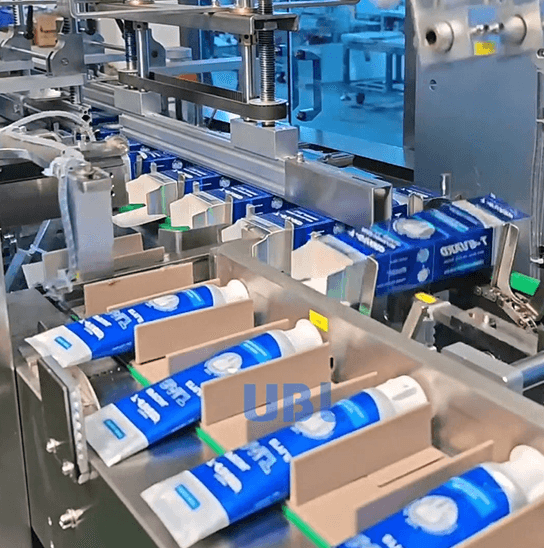
Cartoning machines place products into pre-formed rigid paperboard boxes, providing structural protection and premium presentation. According to market research, the cartoning machines market is projected to grow from USD 5.2 billion in 2025 to USD 8.4 billion by 2035.
Key Characteristics:
- Superior stacking strength
- Premium brand presentation
- Better protection for fragile items
- Easier retail shelf display
Application-Specific Recommendations
Choose Bagging Machines For:
Food Products
- Snacks and chips (oxygen barrier requirements)
- Frozen vegetables (moisture resistance)
- Coffee and tea (aroma preservation)
- Bakery items (freshness retention)
Hardware and Parts
- Screws, nuts, and bolts
- Electrical components
- Automotive parts
- Craft supplies
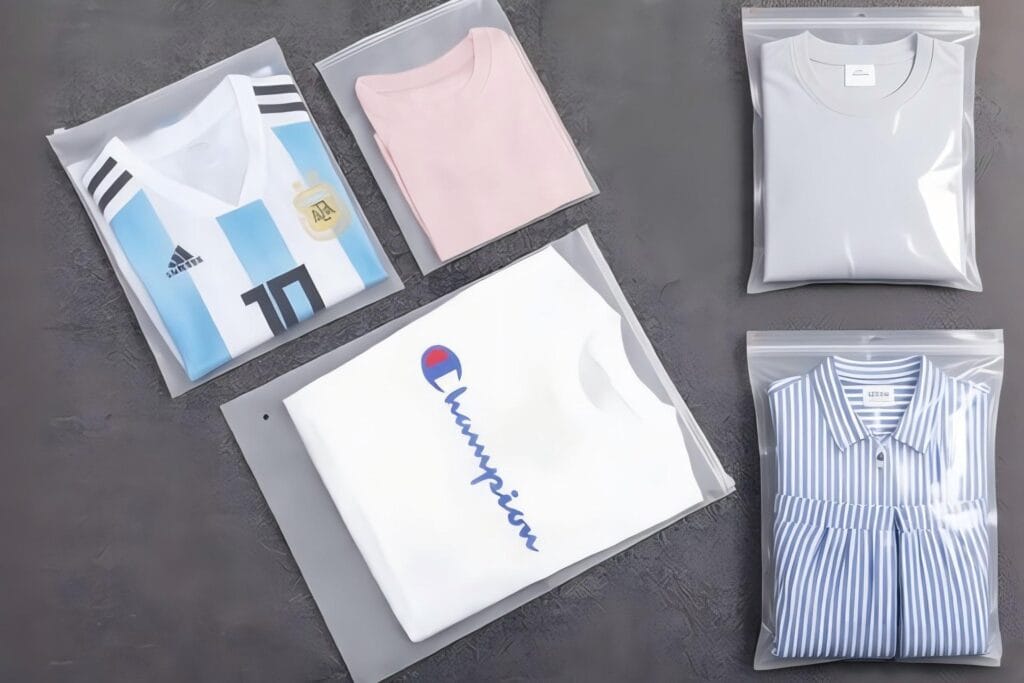
Textiles and Apparel
- T-shirts and garments
- Socks and underwear
- Fabric pieces
Choose Cartoning Machines For:
Pharmaceutical Products
- Blister packs requiring rigidity
- Medical devices needing protection
- Products requiring detailed labeling
Cosmetics and Personal Care
- Premium skincare products
- Fragrance bottles
- Gift sets
Electronics
- Mobile phone accessories
- Computer components
- Small appliances
Food Products
- Cereals and dry goods
- Frozen pizzas
- Premium confectionery
Cost Comparison Analysis
Equipment Investment
| Equipment Type | Entry Level | Mid-Range | High-Speed |
|---|---|---|---|
| Bagging Machine | 12,000−25,000 | 25,000−60,000 | 60,000−120,000 |
| Cartoning Machine | 20,000−40,000 | 40,000−90,000 | 90,000−200,000 |
Operating Costs (Annual, Mid-Range Equipment)
Bagging Machine:
- Packaging materials: 45,000−75,000
- Maintenance: 3,000−5,000
- Energy: 2,500−4,000
Cartoning Machine:
- Packaging materials: 65,000−110,000
- Maintenance: 4,000−7,000
- Energy: 3,500−6,000
Data sourced from packaging machinery ROI calculations.
Speed and Throughput Comparison
Bagging Machine Performance
- Horizontal form-fill-seal: 60-200 bags per minute
- Vertical form-fill-seal: 30-100 bags per minute
- Pre-made bag systems: 20-60 bags per minute
Cartoning Machine Performance
- Intermittent motion: 30-80 cartons per minute
- Continuous motion: 80-300+ cartons per minute
Material Considerations
Flexible Packaging Materials
- PE (Polyethylene): Cost-effective, moisture-resistant
- PP (Polypropylene): High clarity, good barrier properties
- PET (Polyethylene Terephthalate): Excellent clarity, rigid when thick
- Laminated films: Superior barrier properties for extended shelf life
Carton Materials
- Folding carton board: 200-400 gsm, cost-effective for lightweight products
- Corrugated board: E-flute to C-flute, shipping protection
- Rigid boxes: Premium presentation, maximum protection
The folding carton packaging market was valued at USD 210.3 billion in 2025, growing at 6.1% CAGR.
Integration Complexity
Bagging Machine Integration
- Simpler infeed systems
- Smaller footprint (typically 3-5m²)
- Easier integration with weighing and counting equipment
- Lower complexity changeovers
Cartoning Machine Integration
- Requires product collation systems
- Larger footprint (5-10m² for complete systems)
- More complex synchronization with upstream equipment
- Longer changeover times (15-45 minutes vs. 5-15 minutes)
Sustainability Factors
Environmental Impact Comparison
Bagging Advantages:
- 70% less material by weight
- Lower transportation emissions
- Recyclable film options increasing
Cartoning Advantages:
- Paperboard widely recyclable
- Renewable resource base
- Biodegradable options available
Hybrid Solutions: Best of Both Worlds
Many manufacturers implement both technologies:
- Primary packaging: Bagging for product protection
- Secondary packaging: Cartoning for retail presentation and shipping
This approach leverages the cost advantages of flexible packaging while maintaining retail appeal through carton outer packaging.
Decision Framework: 5-Step Selection Process
Step 1: Define Product Characteristics
- Weight and dimensions
- Fragility level
- Shelf life requirements
- Barrier property needs
Step 2: Analyze Distribution Channels
- Retail display requirements
- E-commerce shipping needs
- Export packaging standards
- Storage and handling conditions
Step 3: Calculate Total Cost of Ownership
- Equipment investment
- Material costs (3-year projection)
- Labor requirements
- Maintenance and energy costs
Step 4: Evaluate Brand Positioning
- Premium vs. value positioning
- Sustainability commitments
- Retail partner requirements
Step 5: Plan for Future Flexibility
- Product line expansion plans
- Volume growth projections
- Packaging format changes
Real-World Case Studies
Case Study 1: Snack Food Manufacturer
Challenge: Reduce packaging costs while maintaining shelf life
Solution: Switched from cartons to high-barrier bags
Results: 35% packaging cost reduction, 18-month payback period
Case Study 2: Pharmaceutical Company
Challenge: Protect temperature-sensitive tablets during shipping
Solution: Implemented cartoning with desiccant integration
Results: Zero product damage, regulatory compliance achieved
Conclusion
Neither technology is universally superior. Bagging machines excel in cost-sensitive applications requiring flexibility and product visibility. Cartoning machines dominate where protection, presentation, and retail readiness are paramount.
For many operations, the optimal solution combines both technologies: bagging for primary product protection and cartoning for secondary retail packaging.
Need expert guidance on your packaging line design? Contact our engineers for a free packaging audit and customized equipment recommendation.
FAQ
Q: Which option provides better product protection?
A: Cartons offer superior protection against crushing and impact. Bags provide better moisture and oxygen barriers when using appropriate films.
Q: How do changeover times compare?
A: Bagging machines typically require 5-15 minutes for size changes. Cartoning machines need 15-45 minutes depending on complexity.
Q: Can I use both machines in one production line?
A: Absolutely. Many manufacturers use bagging for primary packaging and cartoning for secondary packaging to optimize cost and presentation.
Q: Which has lower maintenance requirements?
A: Bagging machines generally have fewer moving parts and lower maintenance costs (3-5% of equipment cost annually vs. 4-7% for cartoning machines).
Trending now