Manual Cartoning Limitations: The Hidden Profit Drain in Modern Packaging Lines
The Problem Most Production Lines Ignore
Walk through many manufacturing plants and you’ll notice something interesting.
Upstream equipment is highly automated.
Products move quickly through filling machines, sealing equipment, and primary packaging systems.
But when the products reach the cartoning stage, everything slows down.
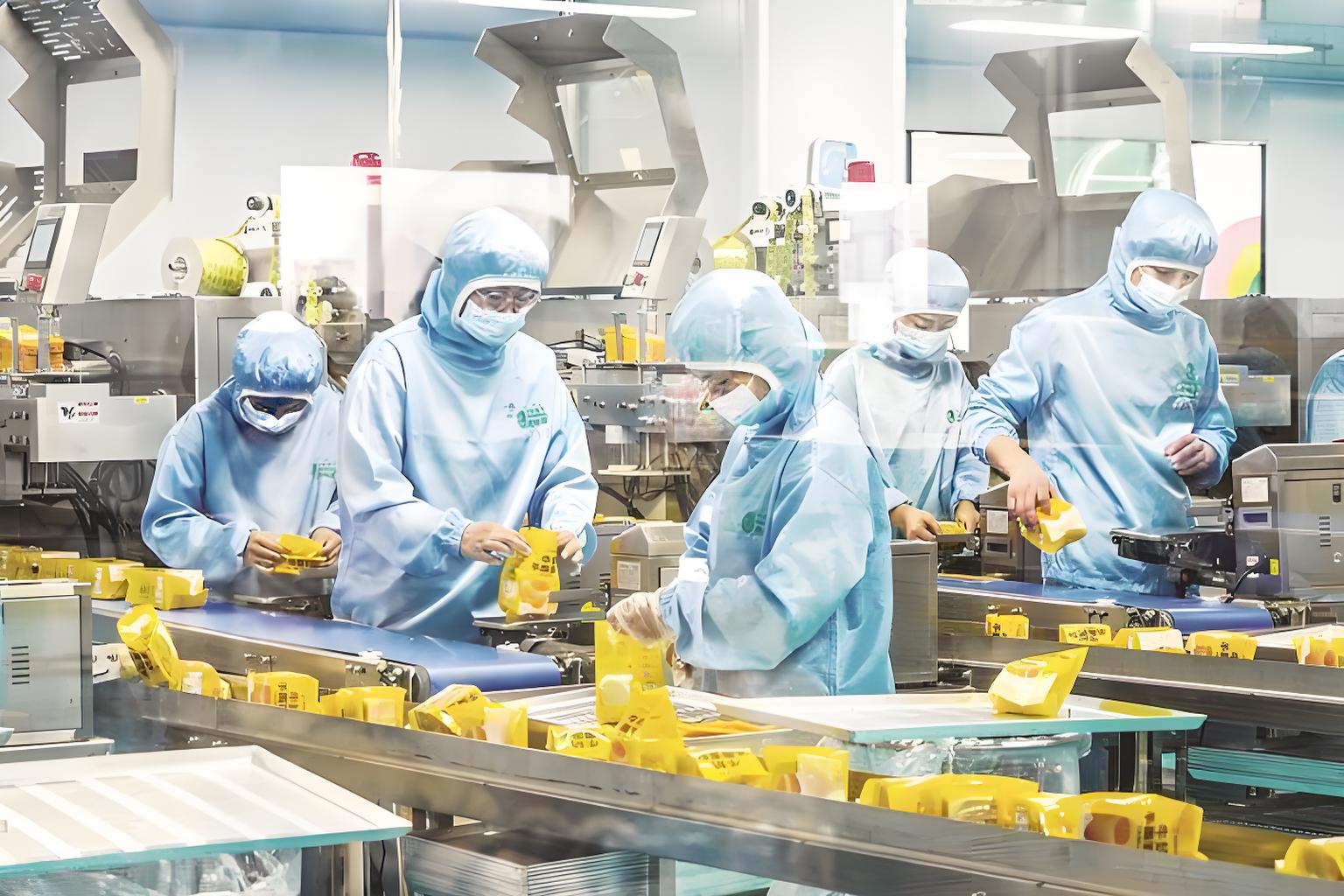
Workers are standing beside the line, manually loading products into cartons.
Sometimes they’re opening boxes.
Sometimes they’re adjusting product positions inside the carton.
At first glance, it seems like a small task.
In reality, manual cartoning often becomes the biggest bottleneck in the entire production line.
And that bottleneck quietly eats into profit margins every day.

What Manual Cartoning Actually Looks Like on the Production Floor
Manual cartoning simply means workers place products into cartons by hand during the secondary packaging stage.
A typical manual process includes:
- opening cartons
- inserting products
- adjusting product placement
- closing the carton
- sending the carton to the next stage
For small operations, this approach works fine.
But as production grows, manual cartoning becomes harder to manage. Human speed and consistency simply can’t keep up with modern production equipment.
The Bottleneck Problem: When Machines Move Faster Than People
Most packaging equipment today runs fast.
Flow wrappers, filling machines, and sealing systems can easily produce thousands of units per hour.
Manual cartoning cannot match that pace.
Even experienced workers typically pack 120–180 cartons per hour depending on product size and packaging complexity.
When this happens, the packaging line becomes unbalanced.
Products begin stacking up before the cartoning station. Workers rush to keep up. Mistakes increase. And eventually the upstream machines have to slow down.
In other words, the slowest step determines the real speed of your production line.
Inconsistent Cartons Create a Brand Problem
Manual packing also introduces something manufacturers often underestimate: visual inconsistency.
Every worker packs cartons slightly differently.
Some cartons are tightly packed.
Others feel loose.
Sometimes products shift during transport.
For OEM factories producing bulk goods, this might not seem like a big issue.
But once a company starts selling products under its own brand, packaging consistency suddenly matters a lot.
Retailers and distributors notice these details immediately.
According to Statista packaging industry insights, packaging quality strongly influences how customers perceive product value and brand reliability.
If cartons look inconsistent, buyers often assume the factory’s production process is inconsistent as well.
Even if the product inside is excellent, the first impression is already damaged.
The Hidden Cost of Manual Cartoning
Most factories calculate the cost of manual cartoning by looking only at wages.
But the real cost is much higher.
Manual packaging brings several operational expenses that are easy to overlook.
Labor Costs Keep Rising
Manufacturing wages have steadily increased in many regions over the last decade.
According to the International Labour Organization global wage report, wages across major manufacturing economies continue to grow due to labor shortages and economic development.
For packaging departments, this creates additional pressure because these jobs often require multiple operators.
Factories must also deal with:
- hiring and training new workers
- high turnover in packaging roles
- constant supervision and quality checks
Over time, labor becomes one of the most expensive parts of the packaging process.
Packaging Areas Take Up Valuable Space
Manual cartoning also consumes more floor space than most people expect.
Workers need tables, product buffers, and storage areas for cartons and packaging materials.
These areas interrupt the natural flow of production and reduce overall plant efficiency.
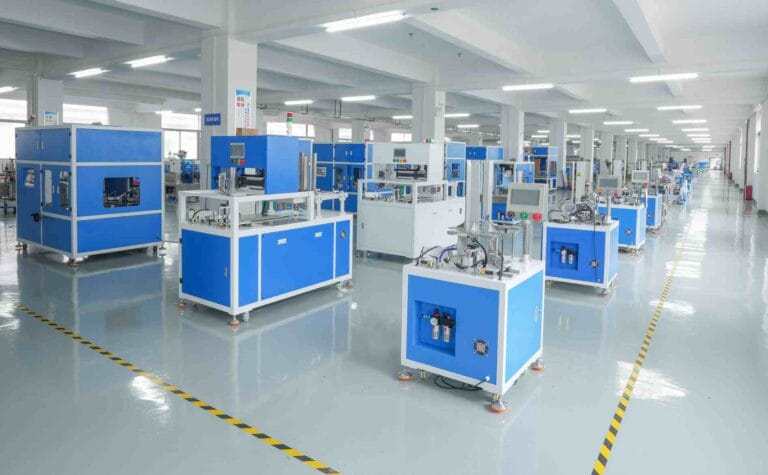
Automated cartoning equipment, on the other hand, can often replace several manual stations while occupying only a few square meters of floor space.
That space savings can make a big difference in crowded factories.
Manual Cartoning vs Automatic Cartoning Machines
When manufacturers compare manual packing with automated cartoning equipment, the differences are obvious.
| Factor | Manual Cartoning | Automatic Cartoning Machine |
|---|---|---|
| Production Speed | 120–180 cartons/hour per worker | 600–1000 cartons/hour |
| Consistency | Depends on worker skill | Same result every cycle |
| Labor Requirement | Several workers required | One operator can monitor multiple machines |
| Operating Time | Limited by shifts and fatigue | Continuous operation |
| Space Usage | Large worktables and buffers | Compact equipment footprint |
| Packaging Quality | Often inconsistent | Uniform carton presentation |
For factories handling large production volumes, automation quickly becomes the more reliable option.
Why More Factories Are Switching to Automated Cartoning
The shift toward automated cartoning machines is happening across many industries.
Not just for speed, but for overall operational stability.
Faster, More Predictable Production
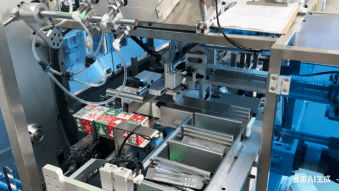
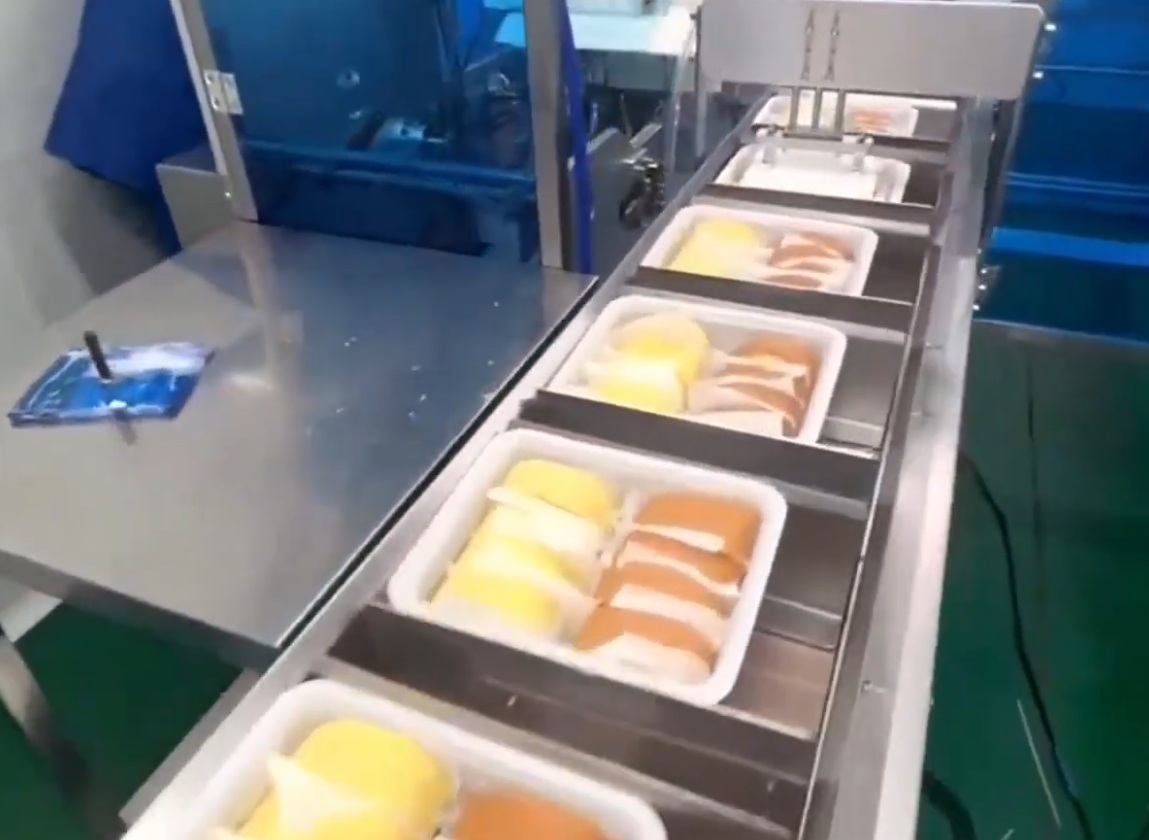
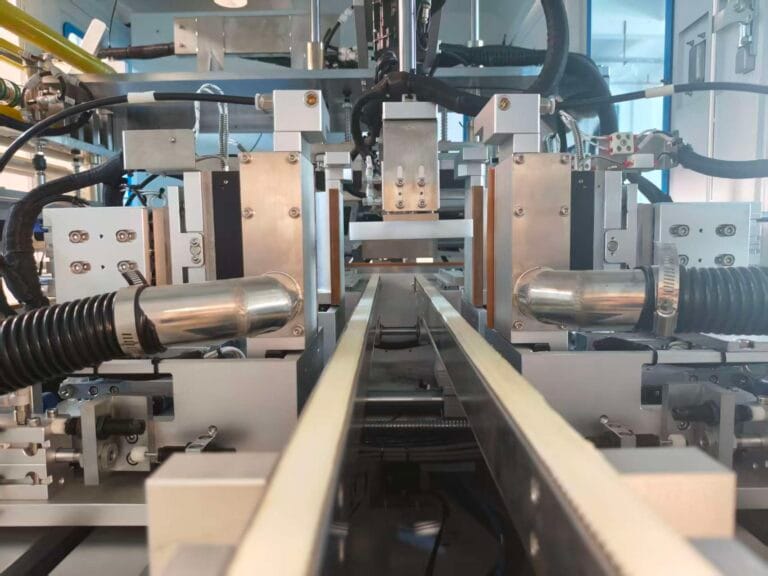
Automated cartoning machines synchronize with upstream packaging equipment.
They automatically:
- form cartons
- insert products
- close or seal boxes
This removes the manual bottleneck and allows the entire production line to operate at a stable speed.
Consistent Packaging Every Time
Automated cartoning machines follow precise positioning systems.
Every carton receives the same product placement, the same fill level, and the same appearance.
For brands selling through retailers or e-commerce channels, that consistency improves shelf presentation and customer trust.
Less Dependence on Labor
Labor shortages are becoming a serious issue for manufacturers worldwide.
Automated cartoning systems dramatically reduce the number of workers needed in packaging departments.
Instead of several workers packing cartons, one operator can supervise the entire system.
Stable 24/7 Operation
Machines don’t get tired.
Automated systems maintain the same speed and accuracy throughout long production runs.
For factories dealing with export orders or seasonal demand spikes, this stability makes delivery schedules far easier to manage.
A Real Example of Cartoning Automation
A mid-sized snack manufacturer recently upgraded from manual cartoning to an automated cartoning system.
Within the first year, the company reported several improvements:
- packaging consistency increased from 88% to 99%
- labor costs in the cartoning area dropped by 30%
- line throughput increased by over 40%
- shipping delays caused by packaging errors were almost eliminated
For a plant producing around 1 million cartons per year, the automation investment paid for itself in roughly 16 months.
How to Start Moving Away from Manual Cartoning
Factories don’t need to automate everything at once.
A step-by-step approach usually works best.
Identify Where the Bottleneck Really Is
Look closely at the entire packaging line.
If products regularly pile up before the cartoning station, that’s a clear signal the process needs improvement.
Start with Your Highest Volume Product
Automation delivers the fastest ROI when applied to high-volume SKUs.
Begin with one product line and expand from there.
Choose Equipment That Integrates Easily
Modern cartoning machines can integrate with existing packaging systems.
Selecting equipment that matches your current line layout helps minimize disruption during installation.
Final Thoughts
Manual cartoning might seem like a small step in the production process.
But over time, it can quietly reduce efficiency, increase labor costs, and create packaging inconsistencies that affect brand perception.
For manufacturers looking to scale production and maintain consistent packaging quality, automated cartoning machines provide a clear path forward.
By removing bottlenecks, improving consistency, and reducing labor dependence, cartoning automation helps production lines run faster, smoother, and more profitably.
Trending now