Key Differences Between PE and PP Films: UBL Automated Bag Making Equipment Selection Guide
In the actual operation of UBL automated bag making equipment, the choice of packaging film directly determines production efficiency, product freshness, and long-term return on investment (ROI). Especially for food manufacturers, the decision between PE (Polyethylene) film and PP (Polypropylene) film is crucial to product competitiveness. Although both films are commonly used packaging materials, they differ significantly in performance, applicable scenarios, and machine compatibility. Choosing the right material not only maximizes the advantages of UBL equipment but also effectively reduces production costs and increases product added value. This guide will detail the differences between the two from three core dimensions—performance, equipment compatibility, and application scenarios—to help you quickly match the most suitable packaging film for your products.
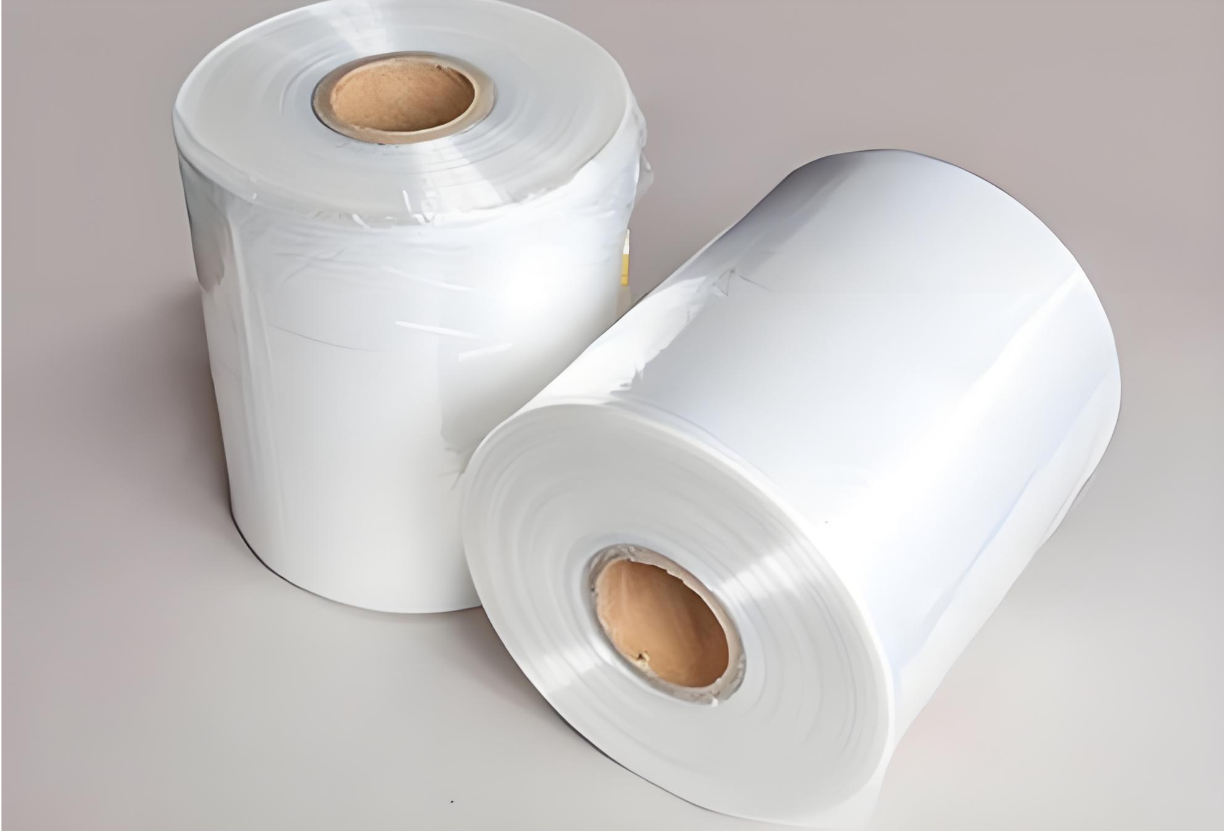
Key Performance Comparison: PE Film vs. PP Film
The core differences between PE and PP films lie in barrier properties, heat resistance, and physical characteristics. These differences directly determine their applicable scenarios and machine processing difficulty. Combined with the operating characteristics of UBL automated bag making equipment, the detailed comparison is as follows:
| Comparison Category | PE Film (Polyethylene) | PP Film (Polypropylene) | UBL Equipment Compatibility Tips |
| Barrier Properties | Excellent moisture resistance, effectively blocking external moisture intrusion; however, oxygen and odor barrier properties are weak, making it difficult to lock in product aroma for a long time and providing limited protection for oxidation-prone products. | Superior overall barrier properties, not only effectively blocking moisture but also preventing oxygen and aroma leakage, significantly extending product shelf life—especially suitable for foods that require long-term storage. | Choose based on product freshness needs; prioritize PP for oxidation-prone products or those requiring long-term storage. |
| Heat Resistance | Moderate heat resistance with a low sealing temperature (120-150℃), easy to operate, and less likely to cause film burning or tearing. However, it softens and deforms in high-temperature environments (exceeding 100℃). | Excellent heat resistance, capable of withstanding high temperatures of 130-160℃, suitable for hot filling and high-temperature sterilization processes. It has strong sealing stability, does not deform easily in high-temperature environments, and is compatible with high-speed, high-temperature sealing processes. | UBL high-speed bag making machines and high-temperature sterilization supporting equipment are preferentially compatible with PP film. |
| Physical Characteristics | Exceptional flexibility, soft texture, strong tear and impact resistance, not easy to break, can be folded and stretched freely, suitable for packaging irregular products. | High hardness, good stiffness, bag shape remains stable after forming, excellent transparency and gloss, clear printing effect, and can enhance the visual texture of packaging. | Choose PE for soft, irregular products; choose PP for high-end appearance and stable bag shape. |
| Machine Compatibility | High flexibility and adaptability, can be processed efficiently without adjusting the core parameters of UBL equipment. Especially suitable for packaging loose, irregular, or soft products, and less likely to cause film jamming or breaking. | Excellent forming stability and regular bag shape, very suitable for UBL high-speed bag making, automatic stacking, and continuous conveying production lines. It can improve packaging consistency during high-speed operation and reduce downtime for adjustments. | Choose PE for bulk general packaging; choose PP for high-speed, standardized packaging. |
| Cost and Cost-Effectiveness | Low raw material cost, low production and processing difficulty, and high overall cost-effectiveness. Suitable for packaging scenarios with large batches and low-cost requirements, which can effectively control long-term production costs. | Raw material cost is slightly higher than PE, but its excellent barrier properties and appearance advantages can increase product added value. In the long run, it can reduce product loss (such as oxidation and moisture damage). | Choose PE for cost-sensitive, large-batch production; choose PP for high-end retail and low-loss requirements. |
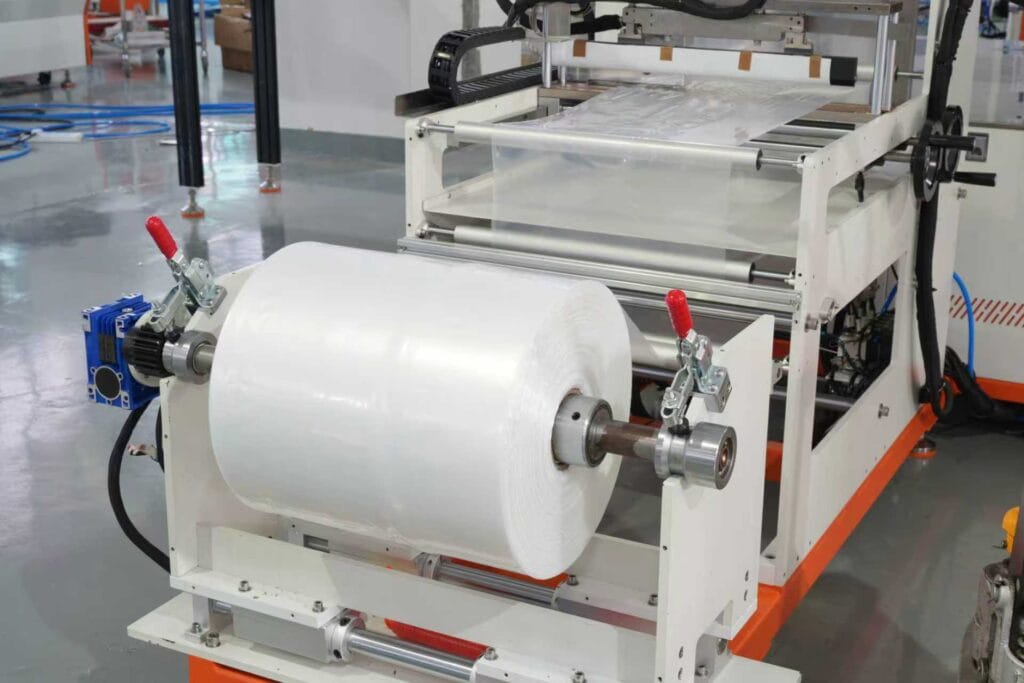
II. UBL Automated Bag Making Equipment: PE/PP Film Precision Selection Guide
Combined with the performance characteristics of UBL automated bag making equipment (high-speed operation, precise sealing, flexible adaptation) and the needs of different food categories, we provide targeted selection suggestions to ensure perfect matching of film, equipment, and products:
1. Scenarios to Prioritize PE Film (Compatible with UBL General Bag Making Equipment)
Suitable for fresh agricultural products, frozen foods, bulk dry goods, fresh meat, and other products. Its core advantages are consistent with the packaging needs of these products and the general characteristics of UBL equipment:
- Convenient sealing operation, compatible with the low-temperature sealing function of UBL general bag making equipment, less likely to cause poor sealing or film breaking, and improves production efficiency;
- Excellent moisture resistance, effectively isolating external moisture, avoiding thawing and moisture absorption of fresh and frozen products, and extending short-term shelf life;
- Strong flexibility, can be adapted to UBL equipment to process various irregular bag shapes, not easy to break when packaging loose and soft products, and reduces packaging loss;
- Low cost, suitable for large-batch production, helping to control the overall cost of food packaging and improve cost-effectiveness.
2. Scenarios to Prioritize PP Film (Compatible with UBL High-Speed Bag Making/Sterilization Supporting Equipment)
Suitable for snacks, nuts, coffee, high-end retail foods, dry goods, and other products—especially those requiring long-term storage and focusing on packaging appearance. It is compatible with UBL high-speed production lines:
- Strong overall barrier properties, effectively locking in product aroma and isolating oxygen, avoiding oxidation and deterioration of snacks and coffee, significantly extending product shelf life, and reducing loss;
- Good stiffness and regular bag shape, compatible with UBL high-speed bag making machines and automatic stacking systems, not easy to deform or jam during operation, and improves the stability of high-speed production;
- High transparency and gloss, clear printing effect, can enhance the high-end texture of product packaging and strengthen brand competitiveness in retail scenarios;
- Excellent heat resistance, compatible with UBL high-temperature sterilization supporting equipment, suitable for hot filling and high-temperature sterilization food packaging, expanding application scenarios.
III. Selection Summary: Choose the Right Film to Maximize UBL Equipment Value
There is no absolute superiority or inferiority between PE and PP films. The core lies in matching your own product needs and the operating characteristics of UBL automated bag making equipment. Precise selection can achieve a balance of efficiency, cost, and product quality:
- PE Film: The king of cost-effectiveness, with good flexibility, low cost, and wide adaptability. Suitable for fresh, frozen, and bulk foods, compatible with UBL general bag making equipment, and ideal for large-batch, cost-sensitive production;
- PP Film: A high-end choice with excellent barrier properties, strong heat resistance, and outstanding appearance. Suitable for snacks, coffee, and high-end retail foods, compatible with UBL high-speed bag making and sterilization supporting equipment, and ideal for production pursuing low loss and high added value.
IV. FAQ & Support
After reading this guide, have you clarified the suitable film type for your products? If you still have selection questions or want to learn about the specific compatibility parameters between PE/PP films and UBL automated bag making equipment, please feel free to contact us!
Click here to submit your question, and our professional technical team will provide you with targeted answers within 24 hours, helping you maximize the advantages of UBL equipment, choose the right packaging film, reduce costs, and enhance product competitiveness!