PLC Control Systems in Modern Packaging Equipment: The Smart Manufacturing Advantage
Programmable Logic Controllers (PLCs) are the control center of modern packaging machinery. They transform traditional mechanical equipment into intelligent, connected, and highly flexible production systems.
For manufacturers investing in automation, understanding PLC capabilities is essential to improving efficiency, reducing downtime, and preparing for Industry 4.0.
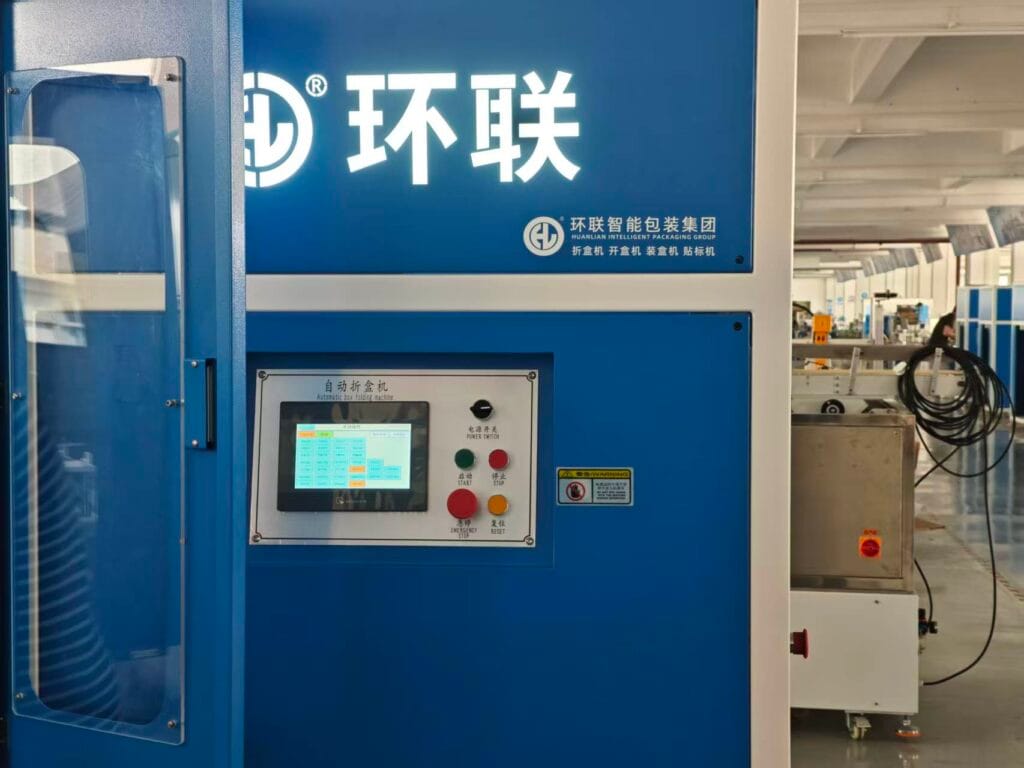
What Is a PLC in Packaging Equipment?
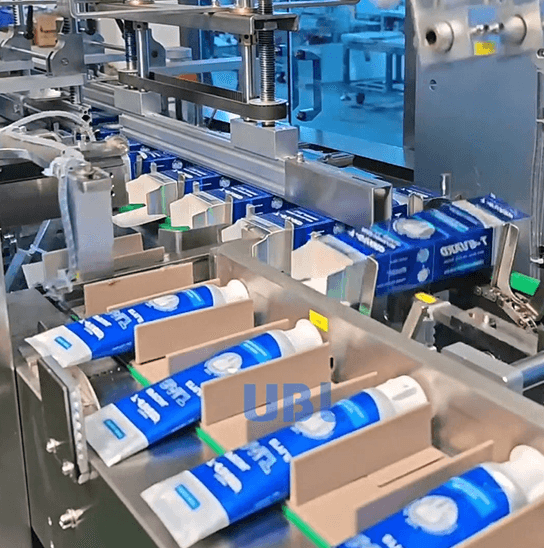
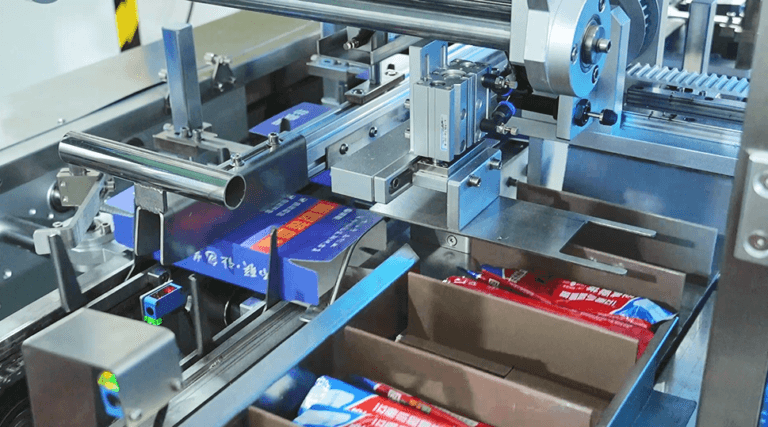
A PLC is an industrial-grade computer designed specifically for manufacturing environments. In packaging machinery such as cartoning machines, it performs several critical functions:
- Controls machine operations such as sequencing, timing, and motion
- Monitors sensors including product detection and safety devices
- Manages outputs like motors, cylinders, and heating systems
- Collects and communicates production data
According to
<a href=”https://www.nextmsc.com/news/automation-drives-the-future-of-packaging-machinery”>packaging automation research</a>, PLC-based systems are the foundation of modern smart manufacturing in the packaging industry.
From Relay Logic to Smart PLC Systems
Traditional Control Systems
Early packaging machines relied on relay-based systems:
- Hard-wired circuits
- Limited flexibility
- Complex maintenance
- Difficult troubleshooting
Early PLC Systems
The first PLCs introduced basic automation:
- Ladder logic programming
- Limited processing power
- Basic human-machine interfaces
Modern PLC Systems
Today’s PLCs are far more advanced:
- High-speed processors
- Advanced programming capabilities
- Standard communication protocols
- Integrated HMI and data systems
They are now the backbone of intelligent packaging lines.
Key Functions of PLCs in Packaging Machinery
Motion Control
PLCs coordinate multiple machine movements with high precision:
- Servo motor synchronization
- Accurate positioning (±0.1 mm)
- Smooth motion profiles
- Speed regulation
This is especially important in cartoning machines where timing and positioning must be exact.
Process Control
PLCs ensure stable operation of packaging processes:
- Temperature control for sealing and gluing
- Pneumatic and vacuum system regulation
- Timing coordination across stations
- Recipe management for different products
Safety Control
Safety systems are fully integrated into PLC logic:
- Emergency stop systems
- Door and guard interlocks
- Light curtain integration
- Safe operation modes
Quality Control
PLCs help maintain packaging consistency:
- Vision inspection systems
- Barcode verification
- Weight checking integration
- Real-time data monitoring
Modern PLC Capabilities
Processing Performance
Modern PLCs offer:
- High-speed CPUs
- Large memory capacity
- Fast scan times
- Support for complex multi-axis systems
Communication and Connectivity
PLCs support multiple industrial protocols:
- Ethernet/IP
- Profinet
- Modbus TCP
- OPC-UA
- MQTT for cloud connectivity
This enables seamless integration with factory systems and cloud platforms.
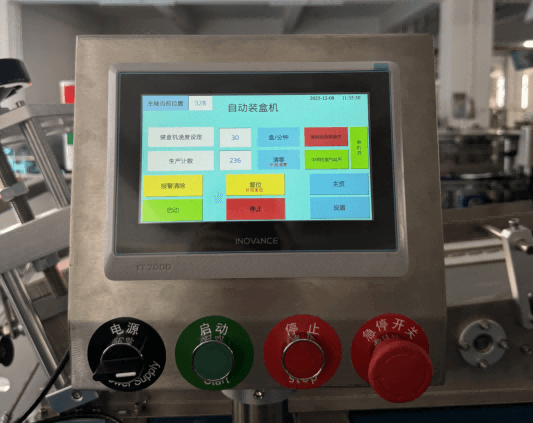
Human-Machine Interface (HMI)
Modern packaging machines include intuitive HMI systems:
- Touchscreen operation panels
- Visual machine status display
- Recipe selection and storage
- Alarm and fault management
- Real-time production monitoring
Benefits of PLC-Controlled Packaging Equipment
Faster Changeovers
Traditional machines require manual adjustment.
PLC-controlled machines use stored recipes, allowing:
- Quick product switching
- Reduced setup time
- Consistent results
Typical changeover time can be reduced from 30–60 minutes to 5–15 minutes.
Improved Consistency
PLCs ensure repeatable performance:
- Stable machine parameters
- Automatic adjustments
- Reduced human error
This is critical for brand-oriented packaging.
Higher Efficiency
With PLC control, manufacturers benefit from:
- Reduced downtime
- Faster troubleshooting
- Predictive maintenance capability
- Data-driven optimization
Better Integration
PLCs allow packaging machines to connect with:
- MES systems
- ERP systems
- Cloud monitoring platforms
This creates a fully connected production environment.
PLC and Industry 4.0
PLCs play a key role in smart manufacturing.
Digital Twin
Production data from PLCs can be used to simulate machines:
- Test new settings
- Optimize performance
- Train operators
Predictive Maintenance
PLCs enable condition monitoring:
- Vibration tracking
- Temperature analysis
- Cycle time monitoring
This helps prevent unexpected downtime.
Cloud Integration
With modern connectivity, PLCs support:
- Remote monitoring
- Data storage and analytics
- Machine learning applications
- Remote updates
PLC Implementation Best Practices
Modular Programming
Well-structured PLC programs should include:
- Reusable function blocks
- Standardized logic
- Clear structure
This simplifies maintenance and future upgrades.
Documentation
Good documentation ensures long-term reliability:
- Clear I/O mapping
- Program descriptions
- Change history
Testing and Validation
Before commissioning:
- Simulation testing
- Factory acceptance testing
- On-site validation
This ensures stable operation from day one.
Investment and ROI
Typical PLC System Cost
| Component | Cost Range |
|---|---|
| PLC Controller | $1,500 – $10,000 |
| HMI Panel | $800 – $8,000 |
| I/O Modules | $100 – $500 per point |
| Programming | $5,000 – $50,000 |
ROI Impact
Manufacturers typically achieve:
- 20–40% reduction in downtime
- 60–80% faster changeovers
- 50–80% defect reduction
- 30–50% productivity improvement
Payback period is usually between 12–24 months.
Common Challenges and Solutions
Legacy Equipment Integration
Older machines may lack modern interfaces.
Solutions include:
- Communication gateways
- Retrofit modules
- Gradual system upgrades
Cybersecurity
Connected systems require protection:
- Network segmentation
- Firewalls
- Access control
- Regular updates
Skills Gap
PLC expertise can be limited.
Solutions:
- Training programs
- Supplier support
- Internal technical development
The Future of PLC in Packaging
Emerging trends include:
- Edge computing
- AI-based control systems
- 5G industrial connectivity
- Digital twins
- Human-machine collaboration
PLC systems will continue to evolve as the core of smart packaging lines.
Click here to view packaging solution cases that UBL Intelligent Packaging has customized for clients.
Conclusion
PLCs are no longer just control units—they are the foundation of modern packaging automation.
They enable:
- flexible production
- consistent quality
- real-time data visibility
- scalable manufacturing
For companies upgrading packaging equipment such as cartoning machines, PLC systems are a critical investment for long-term competitiveness.
Call to Action
If you’re planning to upgrade your packaging line or improve automation performance, a PLC-based control system is the first step.
<a href=”https://packubl.com/contact/”>Contact our automation engineers</a> to evaluate your current system and explore the right upgrade solution.
FAQ
What is the difference between a PLC and a standard computer?
PLCs are designed for industrial environments. They offer real-time control, higher reliability, and resistance to dust, vibration, and temperature changes.
Can PLC systems be added to existing machines?
Yes. Most packaging equipment can be upgraded with PLC systems using retrofit solutions and communication interfaces.
How long does PLC implementation take?
Simple systems may take 1–2 weeks. Complex packaging lines may require several months including testing.
Is PLC automation suitable for small factories?
Yes. Even small production lines benefit from improved consistency, reduced labor dependency, and better efficiency.