What Is OEM?
OEM manufacturing has become a cornerstone of modern global production. From consumer electronics and automotive components to food products and consumer packaged goods, many of the products sold by global brands are actually manufactured by specialized OEM factories.
According to McKinsey global manufacturing research, outsourcing production to specialized partners allows companies to reduce capital investment while scaling manufacturing capacity more efficiently. This model enables brands to focus on product design, marketing, and distribution while relying on experienced factories to handle production.
For manufacturers and brand owners alike, understanding the OEM model is essential to navigating today’s competitive supply chains.
What Does OEM Mean?
OEM stands for Original Equipment Manufacturer. In simple terms, an OEM manufacturer produces products or components that are sold under another company’s brand name.
In an OEM arrangement:
- The brand owner defines the product design, specifications, and branding.
- The OEM factory manufactures the product according to those requirements.
- The finished product is sold under the brand owner’s label.
This model allows brands to bring products to market without building their own manufacturing facilities.
For example:
- A snack brand may design packaging and flavor profiles but rely on an OEM food factory to produce and package the product.
- An electronics company may design a device but outsource the assembly to an OEM manufacturer.
How OEM Manufacturing Works
OEM manufacturing typically follows a structured collaboration process between the brand owner and the manufacturing partner.
Product Design and Specifications
The brand owner provides detailed specifications for the product, including:
- materials and components
- packaging requirements
- quality standards
- compliance certifications
These specifications ensure the OEM factory produces the product exactly as required.
Production and Assembly
Once specifications are approved, the OEM factory begins production using its own manufacturing infrastructure, labor force, and production expertise.
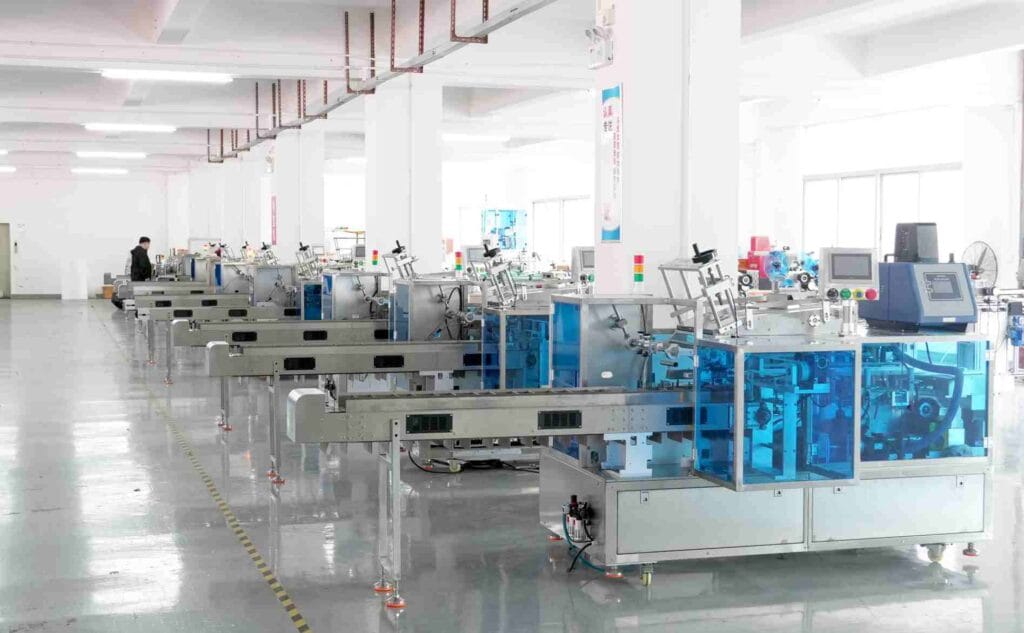
Factories specializing in OEM production often operate highly efficient manufacturing lines designed to handle large volumes while maintaining strict quality control standards.
Branding and Distribution
After production is complete, the finished products are labeled with the brand owner’s trademark and packaging design.
The brand owner then handles marketing, sales, and distribution to retailers or end customers.
Why Brands Choose OEM Manufacturing
Many global companies rely on OEM manufacturing because it offers several strategic advantages.
Lower Capital Investment
Building a manufacturing facility requires large upfront investments in equipment, infrastructure, and workforce training.
OEM manufacturing allows brands to access existing production capacity without these costs.
According to the World Economic Forum manufacturing outlook, outsourcing production enables companies to allocate resources more efficiently toward innovation and market expansion.
Faster Time to Market
OEM factories already possess the equipment, skilled labor, and production systems needed to manufacture products.
This allows brands to launch new products much faster compared to building internal production capabilities.
For industries such as consumer electronics, food products, and fashion, rapid product launches are critical to staying competitive.
Access to Manufacturing Expertise
Many OEM manufacturers specialize in specific product categories.
For example:
- electronics OEM factories specialize in precision assembly
- food OEM plants focus on large-scale food processing
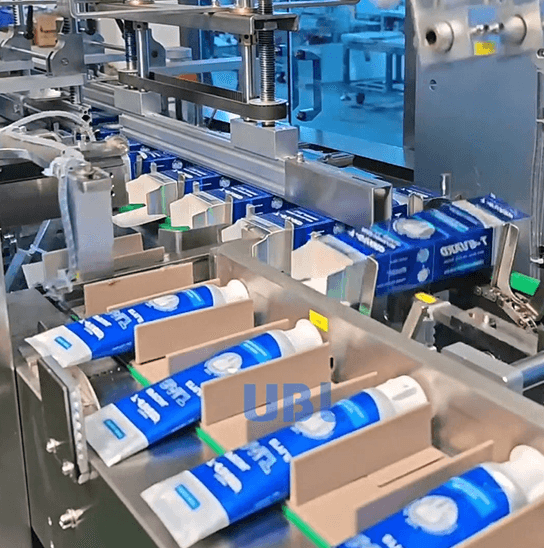
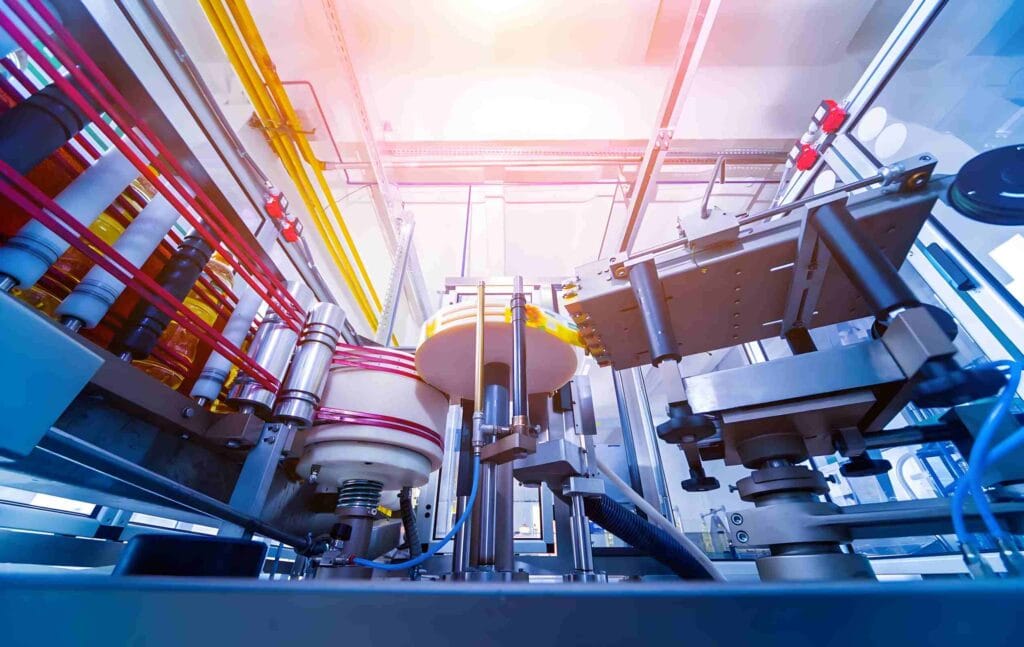
- packaging OEM facilities optimize automated production lines
By working with experienced manufacturers, brands gain access to specialized production knowledge.
Scalable Production Capacity
OEM factories typically operate large-scale production facilities capable of handling fluctuating demand.
This scalability allows brands to increase or decrease production volumes without making major infrastructure investments.
During peak seasons or major product launches, this flexibility can be a significant competitive advantage.
OEM vs ODM vs Contract Manufacturing
OEM is often confused with other manufacturing models. Understanding the differences is important for both manufacturers and brand owners.
| Manufacturing Model | Description | Who Owns the Product Design |
|---|---|---|
| OEM (Original Equipment Manufacturer) | Factory produces products according to the brand’s design | Brand owner |
| ODM (Original Design Manufacturer) | Factory designs and manufactures the product | Manufacturer |
| Contract Manufacturing | Factory produces products under agreement, often similar to OEM | Usually brand owner |
In practice, OEM manufacturing is commonly used by companies that want full control over product design and brand identity.
Industries That Rely on OEM Manufacturing
OEM production is widely used across many industries.
Electronics
Many global technology brands rely on OEM partners to manufacture components and assemble devices.
According to Statista electronics manufacturing data, contract and OEM manufacturing account for a large share of global electronics production.
Automotive
The automotive industry uses OEM suppliers to manufacture components such as engines, braking systems, and electronic modules.
Major automakers depend on extensive OEM supplier networks to maintain efficient production.
Food and Beverage
Food brands frequently partner with OEM factories to produce packaged foods under private labels.
This allows companies to focus on branding, distribution, and product development while relying on specialized production facilities.
Consumer Goods
Many consumer products—from cosmetics to household items—are manufactured by OEM suppliers that produce goods according to brand specifications.
This approach allows brands to expand product lines quickly without investing in new production infrastructure.
Challenges of OEM Manufacturing
While OEM manufacturing offers many advantages, it also presents several challenges that companies must manage carefully.
Quality Control
Maintaining consistent product quality across outsourced production facilities can be difficult.
Brands must establish clear quality standards and conduct regular inspections to ensure products meet their requirements.
Supply Chain Dependence
Relying heavily on external manufacturing partners can create supply chain risks.
Disruptions such as logistics delays, labor shortages, or raw material constraints may affect production schedules.
Intellectual Property Protection
When sharing product designs and specifications with manufacturing partners, companies must protect intellectual property.
Clear contracts and confidentiality agreements are essential.
How OEM Factories Transition to Building Their Own Brands
Many manufacturers begin as OEM suppliers but later decide to launch their own brands.
After years of producing products for global clients, these factories often develop strong capabilities in:
- cost control
- production efficiency
- quality management
However, transitioning from OEM manufacturing to brand ownership requires more than manufacturing expertise.
Factories must also invest in:
- branding and marketing
- packaging design
- distribution networks
- consistent product presentation
Automation in packaging processes—such as cartoning machines and packaging systems—often becomes an important step in this transition.
Conclusion
OEM manufacturing plays a vital role in modern global supply chains. By allowing brands to outsource production to specialized factories, the OEM model helps companies reduce costs, scale production efficiently, and bring products to market faster.
At the same time, OEM manufacturers benefit from stable production contracts and long-term partnerships with global brands.
As global manufacturing continues to evolve, OEM production will remain a key strategy for companies seeking flexibility, efficiency, and competitive advantage in increasingly complex supply chains.