Choosing the Right Cartoning Machine for Food Production: What Actually Matters
Food manufacturers don’t have the same margin for error as other industries when it comes to packaging equipment.
A poorly selected cartoning machine isn’t just an efficiency issue — it can lead to compliance risks, sanitation problems, and in worst cases, product recalls that damage brand credibility.
At the same time, production lines still need to run fast, stable, and cost-effectively.
This makes equipment selection more complex than simply comparing speeds or prices.
Below are the key considerations food manufacturers should look at when evaluating cartoning automation.
Compliance Is Not Optional — It’s Foundational
Before anything else, food cartoning equipment must meet regulatory standards.
In the U.S., this typically means alignment with FDA requirements under current Good Manufacturing Practices (cGMP).
In practical terms, that translates into a few non-negotiables:
Food-contact materials
Any surface that touches the product or primary packaging must be made from approved materials — most commonly 304 or 316 stainless steel. Painted frames or low-grade plastics may be acceptable in other industries, but not in food production environments.
Hygienic design for cleaning
Equipment needs to withstand regular washdowns without compromising internal components. This is where IP ratings matter — control panels and motors should typically meet IP65 or higher.
Lubrication safety
Any lubrication points near the product zone must use food-grade lubricants. In many modern designs, these are minimized or fully enclosed to avoid contamination risks.
Documentation and traceability
Reliable suppliers will provide full documentation — including material certifications, compliance statements, and validation reports. If this is missing, it’s usually a red flag.
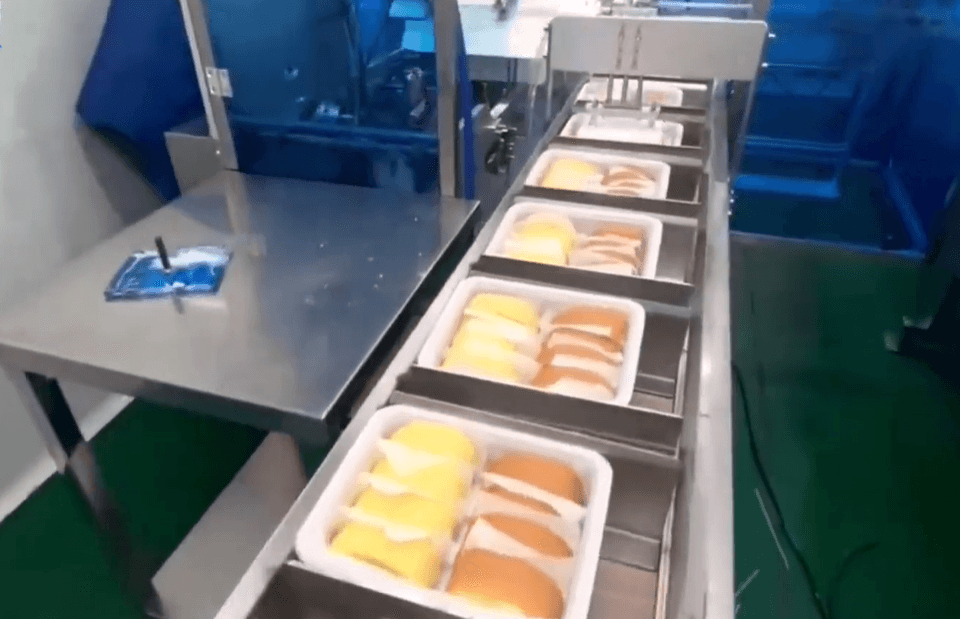
Design Details That Make a Real Difference
Beyond compliance, design is what determines whether a machine works smoothly in a real production environment.
Some features may seem minor at first, but they tend to matter a lot over time.
Stainless steel structure
Not just for compliance, but for durability. In high-moisture environments like dairy or frozen food production, corrosion resistance is critical.
Open and sloped surfaces
Machines with flat surfaces tend to collect debris and water. Hygienic designs use sloped panels and open frames to allow proper drainage during cleaning.
Tool-free adjustments
Frequent product changes are common in food manufacturing. Machines that require tools for adjustments slow everything down — and introduce contamination risks when tools enter the production area.
Environmental adaptability
Food plants aren’t uniform. Some areas are cold and humid, others are hot and dry. Equipment needs to maintain performance across temperature ranges without constant recalibration.
Why Stability Matters More in Food Lines
In many industries, a short machine stoppage is inconvenient.
In food production, it can mean wasted product.
Perishable goods don’t wait.
If a cartoning machine becomes unstable — frequent jams, misfeeds, or alignment issues — it can quickly disrupt the entire line.
Some indicators of a stable system include:
Rigid machine frame
Vibration from nearby fillers or cappers can affect alignment. A solid frame helps maintain precision over time.
Reliable components
Servo systems from established brands tend to perform more consistently and are easier to service globally.
Built-in diagnostics
Modern systems often include monitoring tools that help identify issues before they turn into downtime.
In high-volume operations, even small improvements in stability can translate into significant cost savings.
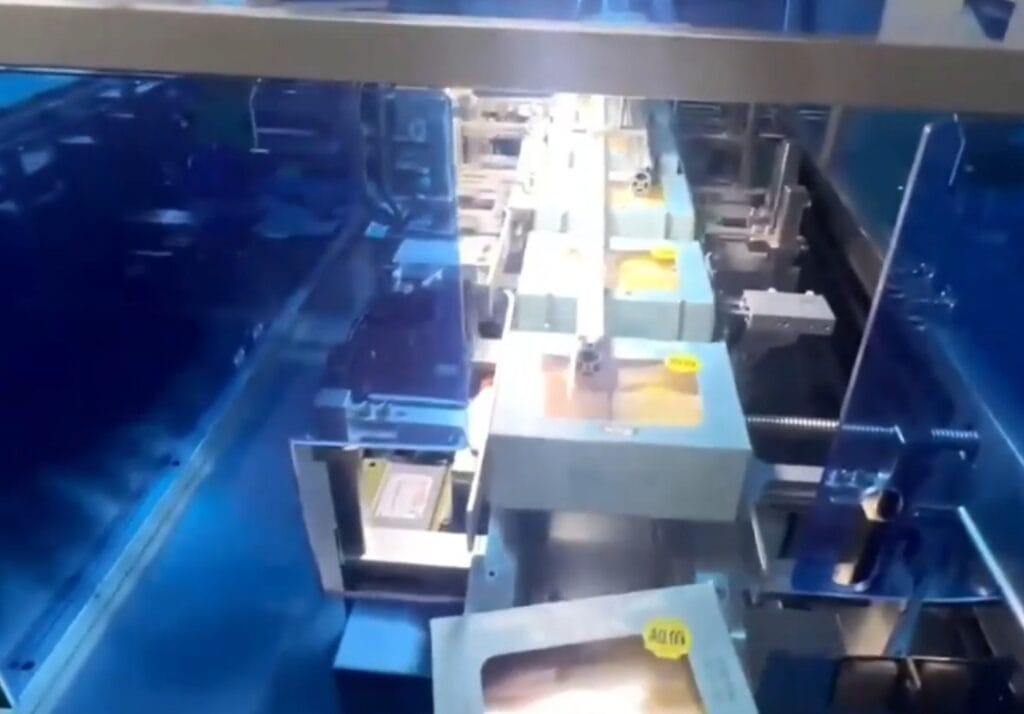
Adapting to Different Food Categories
Not all food products behave the same in packaging.
Cartoning requirements vary depending on the product type and production environment.
Bakery products
Often require gentle handling to avoid deformation. Integration with upstream flow wrapping systems is common.
Dairy and cheese
Cold and humid environments demand corrosion-resistant materials and sealed electrical systems.
Frozen foods
Low temperatures affect both mechanical performance and lubrication. Equipment must be rated for sub-zero operation.
Snack foods
High-speed production and frequent SKU changes require flexible, fast-adjusting systems.
Choosing equipment without considering these differences often leads to inefficiencies later.
Planning for Growth, Not Just Current Output
A common mistake is selecting equipment based only on current production needs.
Food businesses evolve quickly — new products, new packaging formats, increased demand.
To avoid early replacement, it’s worth considering:
Modular machine design
Allows capacity upgrades without replacing the entire system.
Flexibility for multiple SKUs
Quick changeover capabilities help maintain efficiency when switching products.
System integration
Compatibility with production management systems (such as MES or ERP) supports better data tracking and control.
Balanced throughput
The cartoning machine should align with upstream and downstream equipment — not become a bottleneck or an overinvestment.
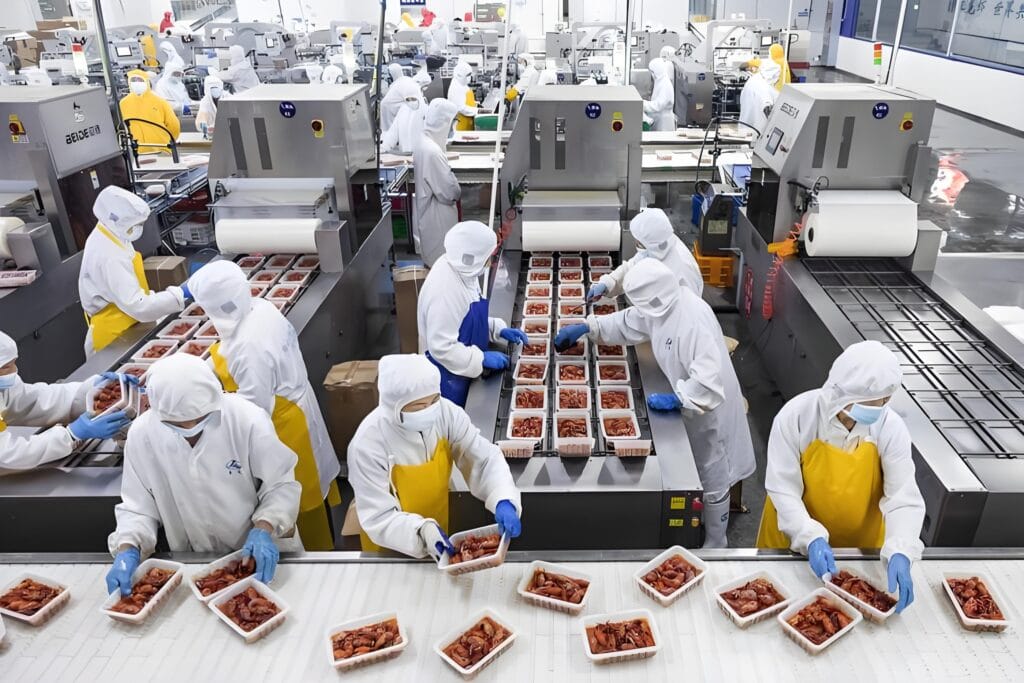
Choosing the Right Equipment Supplier
The machine itself is only part of the equation.
Supplier capability often determines how successful the project will be.
Things worth evaluating:
Industry experience
Suppliers with real food industry references are usually better prepared for compliance and operational challenges.
Technical documentation
Complete and transparent documentation is essential for audits and internal validation.
Service support
Downtime in food production is costly. Access to local support and spare parts can make a significant difference.
Testing with real products
Factory acceptance testing using actual cartons and products helps confirm performance before installation.
Looking Ahead: Future Requirements
Packaging requirements continue to evolve — both from regulatory bodies and from the market.
Forward-looking equipment choices can help avoid upgrades later.
Traceability readiness
Support for serialization and tracking systems is becoming increasingly important.
Sustainability compatibility
Machines should be able to handle recyclable or lighter-weight materials without compromising performance.
Smart production integration
Data-driven systems that monitor performance and maintenance can improve long-term efficiency.
Final Thoughts
Selecting a food cartoning machine is not just a technical decision — it’s a long-term operational investment.
The right equipment should:
- Meet compliance requirements
- Perform reliably in real production conditions
- Adapt to changing product lines
- Support future growth
For manufacturers planning to upgrade or expand their packaging operations, taking the time to evaluate these factors carefully can prevent costly issues later.
If you’re assessing options, it’s often helpful to review your product specifications, production targets, and line layout in detail before making a decision.
That level of preparation usually makes the biggest difference in choosing the right solution.