High-Speed Packaging Machine: Speed Specifications Explained
Speed represents one of the most critical specifications in packaging equipment selection, directly impacting production capacity, labor efficiency, and capital utilization. Understanding speed ratings, real-world performance factors, and optimization strategies ensures you invest in equipment that delivers expected throughput.
Understanding Packaging Machine Speed Ratings
Theoretical vs. Actual Speed
Theoretical Speed: Maximum mechanical capability under ideal conditions
Actual Speed: Real-world performance accounting for:
- Product variability
- Material inconsistencies
- Changeover requirements
- Quality checks and reject handling
- Operator efficiency
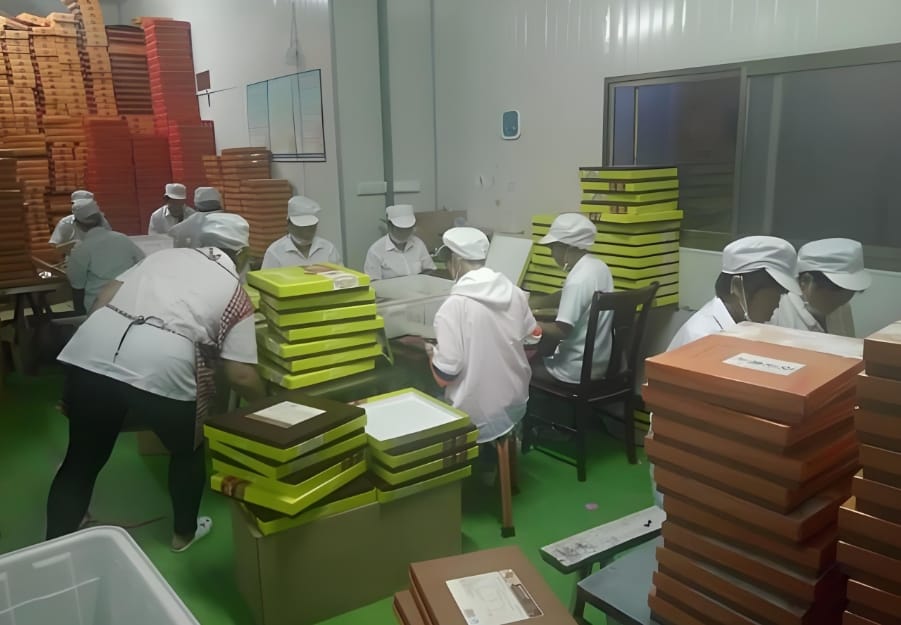
Rule of Thumb: Actual sustainable speed typically equals 70-85% of theoretical maximum.
Speed Measurement Standards
Cartoning Machines: Cartons per minute (CPM)
Filling Machines: Cycles per minute or volume per hour
Labeling Machines: Products per minute (PPM)
Wrapping Machines: Packages per minute
Palletizing: Cycles per hour
Speed Categories and Applications
Low-Speed Equipment (10-30 units/minute)
Applications:
- Startup operations
- Pilot production
- Specialty products
- Manual feeding operations
Equipment Types:
- Semi-automatic cartoners
- Benchtop fillers
- Manual label applicators
- Entry-level wrapping systems
Medium-Speed Equipment (30-80 units/minute)
Applications:
- Small to medium manufacturers
- Batch production environments
- Multi-SKU operations
- Growing businesses
Equipment Types:
- Automatic intermittent cartoners
- Piston fillers
- Automatic labelers
- Flow wrappers
High-Speed Equipment (80-200 units/minute)
Applications:
- Large-scale production
- Continuous operations
- High-volume commodities
- Mass market products
Equipment Types:
- Continuous motion cartoners
- Rotary fillers
- High-speed labelers
- Automated wrapping lines
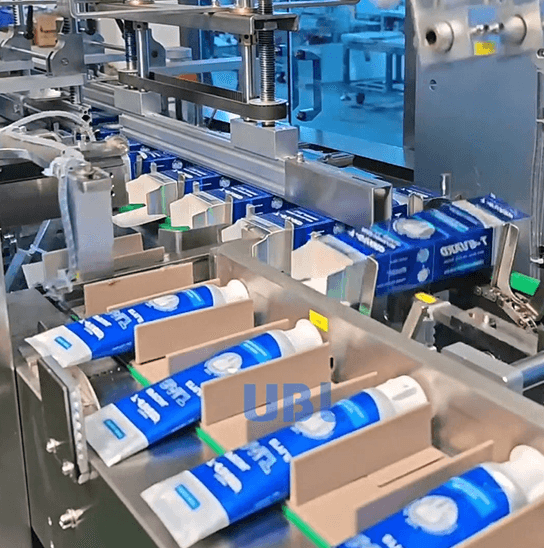
Ultra-High-Speed Equipment (200-600+ units/minute)
Applications:
- Beverage industry
- Pharmaceutical giants
- Food commodities
- Global brands
Equipment Types:
- High-speed rotary cartoners
- Aseptic filling systems
- Multi-lane packaging lines
- Integrated production systems
Factors Affecting Real-World Speed
1. Product Characteristics
- Size variability: Changeover frequency
- Fragility: Handling speed limitations
- Weight: Inertia and momentum considerations
- Shape: Feeding and orientation complexity
2. Packaging Materials
- Carton quality: Consistency affects feeding reliability
- Film specifications: Thickness and slip properties
- Label adhesion: Application speed sensitivity
- Closure systems: Complexity impacts cycle time
3. Quality Requirements
- Inspection intensity: Vision system complexity
- Reject handling: Rework and removal procedures
- Documentation: Serialization and tracking requirements
- Sampling protocols: Quality verification frequency
4. Operational Factors
- Operator skill: Training and experience level
- Maintenance condition: Equipment health and calibration
- Environmental conditions: Temperature, humidity, cleanliness
- Upstream consistency: Product supply reliability
Speed Selection Methodology
Step 1: Calculate Required Throughput
Annual Production Requirement:
Example: 10 million units/year
Operating Schedule:
- Days per year: 250 (5-day weeks, single shift)
- Hours per day: 8
- Minutes per day: 480
Required Speed:
10,000,000 ÷ 250 ÷ 8 ÷ 60 = 83.3 units/minute
Step 2: Apply Efficiency Factors
OEE (Overall Equipment Effectiveness) components:
- Availability: 85-95% (downtime for changeovers, maintenance)
- Performance: 90-95% (speed losses, minor stops)
- Quality: 98-99.5% (rejects, rework)
Typical OEE: 75-85%
Adjusted Required Speed:
83.3 ÷ 0.80 (OEE) = 104 units/minute minimum
Step 3: Add Growth Buffer
Plan for 20-30% capacity growth: 104 × 1.25 = 130 units/minute target speed
Step 4: Select Equipment Class
Based on 130 units/minute requirement:
- Minimum: High-speed class (130+ CPM capability)
- Recommended: 150-180 CPM for operational flexibility
Speed Optimization Strategies
Equipment Design Factors
Continuous vs. Intermittent Motion:
- Continuous: 30-50% higher speed potential
- Intermittent: Better for complex operations
Multi-Lane Systems:
- Double output without doubling speed
- Reduced mechanical complexity
- Better for small packages
Servo vs. Mechanical Drive:
- Servo: Optimized motion profiles, higher effective speed
- Mechanical: Fixed ratios, simpler maintenance
Operational Best Practices
Changeover Optimization:
- Quick-change tooling
- Recipe-based setup
- Pre-staging materials
- Parallel changeover activities
Preventive Maintenance:
- Scheduled downtime vs. breakdowns
- Component replacement before failure
- Calibration and adjustment
- Operator training
Quality at the Source:
- Upstream consistency
- Material quality control
- First-pass yield improvement
- Reduced inspection bottlenecks
High-Speed Equipment Investment Considerations
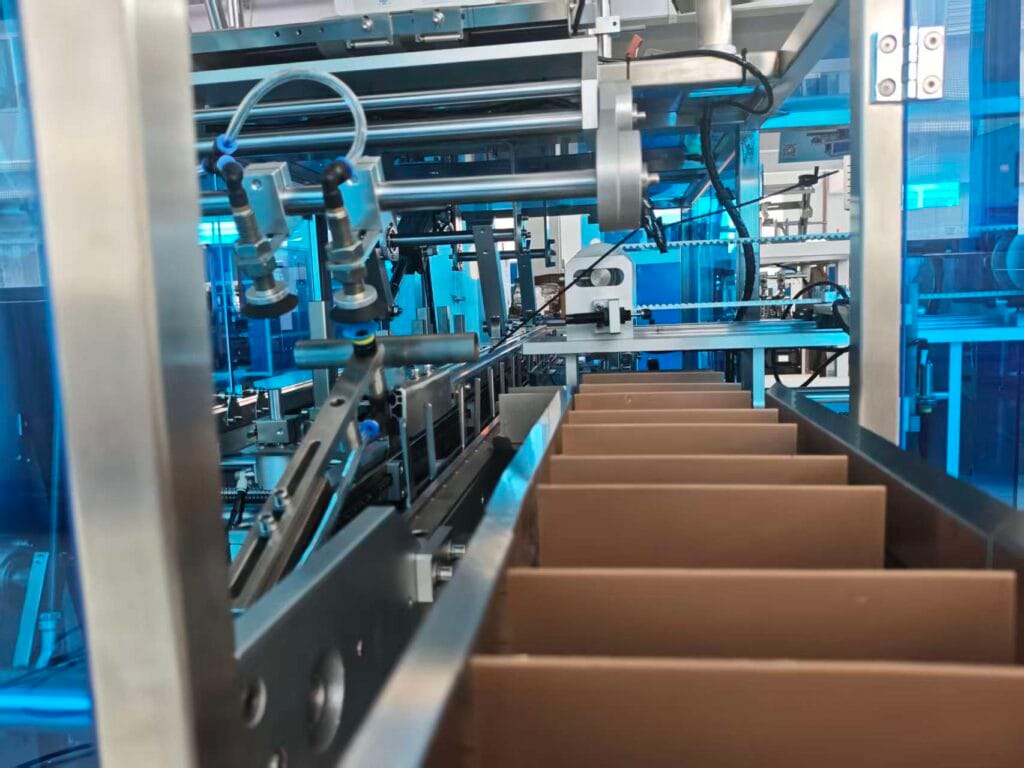
Capital Costs by Speed Class
Speed Class | Price Premium | Best For |
|---|---|---|
| Standard (30-60) | Baseline | Flexible operations |
| High-speed (60-120) | +30-50% | Volume growth |
| Ultra-high (120-300) | +80-150% | Commodity production |
| Extreme (300+) | +200-400% | Mass market leaders |
Operating Cost Implications
Higher Speed Equipment:
- Increased energy consumption
- More frequent maintenance
- Higher skilled operator requirements
- Greater material waste if not optimized
Offset by:
- Reduced labor per unit
- Better asset utilization
- Lower unit capital costs
- Competitive production costs
Industry-Specific Speed Requirements
Pharmaceutical
- Typical: 60-150 cartons/minute
- Drivers: Serialization, aggregation, regulatory compliance
- Trend: Moderate speed with maximum accuracy
Food and Beverage
- Typical: 100-600+ packages/minute
- Drivers: High-volume commodities, perishability
- Trend: Maximum speed with hygiene compliance
Cosmetics
- Typical: 50-120 cartons/minute
- Drivers: Premium presentation, SKU variety
- Trend: Flexible speed with quick changeovers
Electronics
- Typical: 30-80 cartons/minute
- Drivers: Product protection, precision handling
- Trend: Moderate speed with gentle handling
Future Speed Trends
Technology Enablers
- Linear motor drives: Eliminating mechanical limitations
- Advanced robotics: Flexible high-speed handling
- AI optimization: Real-time speed optimization
- Predictive analytics: Preventing speed-reducing issues
Market Pressures
- E-commerce growth: Faster order fulfillment requirements
- Labor costs: Speed as labor replacement strategy
- Competition: Throughput as competitive advantage
- Sustainability: Speed vs. energy efficiency balance
Conclusion
Selecting the right packaging machine speed requires careful analysis of production requirements, growth projections, and operational realities. While higher speed equipment offers greater capacity, the optimal choice balances speed capabilities with flexibility, reliability, and total cost of ownership.
Need help determining the right speed for your packaging line? Contact our engineering team for a production analysis and equipment recommendation.
FAQ
Q: How do I calculate the right speed for my packaging line?
A: Divide annual production by operating minutes, then divide by OEE (typically 75-85%) and add 20-30% growth buffer.

Q: What’s the difference between intermittent and continuous motion?
A: Intermittent stops for each operation; continuous moves constantly with operations performed “on the fly.” Continuous offers 30-50% higher speed potential.
Q: What is the maximum speed of UBL cartoning machines?
A: UBL cartoning machines can reach a maximum speed of 120 cartons per minute (CPM). For real machine running video, Click here
Q: Can I run high-speed equipment slower to save wear?
A: Yes, but consider that capital costs remain the same. Better to match equipment speed to actual needs during selection.
Q: How much does speed affect equipment price?
A: Each speed class typically adds 30-50% to equipment cost, but reduces per-unit capital cost at high volumes.
Q: What limits actual speed vs. theoretical maximum?
A: Product variability, material quality, operator skill, maintenance condition, and quality requirements all reduce sustainable speed.
Trending now